
The Unexpected Impact of Flat vs. Round Laces on Sneaker Silhouettes

The simplest change a sneaker enthusiast can make often goes unnoticed by the casual observer, yet it carries the power to completely recontextualize a shoe’s personality. This change is the swap between flat and round laces. While many collectors focus on color, material, or length, the geometry of the lace itself—specifically its cross-sectional shape—alters not only the visual weight of the sneaker but also the way the upper drapes over the foot. Understanding this nuance transforms a routine lace swap from a trivial adjustment into a deliberate sculptural choice.
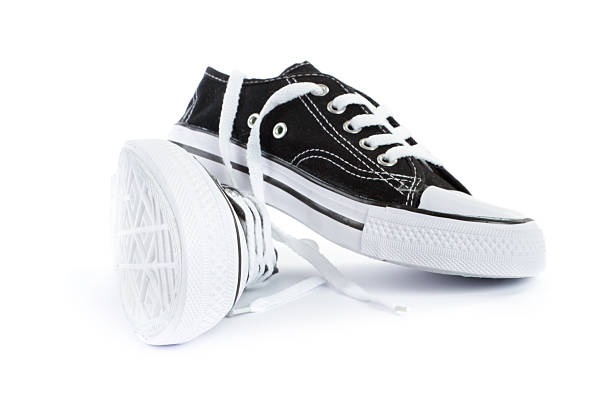
Flat laces are the default for the vast majority of lifestyle sneakers, particularly those with a heritage in basketball or skateboarding. Their broad, ribbon-like profile lies flush against the eyelets, creating a clean, even grid across the tongue. This characteristic produces a sense of stability and structure. When tied tightly, flat laces distribute pressure evenly across the instep, reducing localized hotspots and allowing the shoe to feel more secure. Visually, they add horizontal lines that can widen the appearance of the forefoot. For a chunky silhouette like the New Balance 990 or the Nike Air Force 1, flat laces reinforce the shoe’s grounded, robust stance. The wide ribbon also serves as a canvas for printed patterns, brand logos, or contrasting edge stitching, making flat laces the preferred choice for those who want the lace itself to be part of the graphic composition.
Round laces, by contrast, introduce a thinner, more cylindrical profile. Historically found on dress shoes, trail runners, and some soccer cleats, they bring a different set of physical and optical properties. Because they occupy less surface area per eyelet, round laces create more negative space between the lacing points. This opens up the visual field of the tongue and vamp, giving the sneaker a lighter, more elongated appearance. For low-top silhouettes such as the Nike Killshot or the Adidas Samba, switching to round laces can make the entire shoe appear sleeker and more European in sensibility. The reduced friction of round laces also means they tighten and loosen more easily, making them ideal for sneakers that are frequently taken on and off. However, this same low friction can cause the knot to slip more readily unless a double knot is used.
The material composition of each type further influences performance and aesthetics. Flat laces are usually woven from cotton or polyester in a shoelace weave that resists fraying but can absorb dirt and moisture. Over time, they soften and develop a subtle patina that vintage enthusiasts prize. Round laces, often braided with a hollow core or a solid nylon core, are more water-resistant and hold their shape longer. This durability makes them a favorite for sneakers exposed to wet conditions or for users who prefer a crisp, new look that does not soften into limpness. A waxed cotton round lace, common on dress boots, can add a slight sheen that elevates a sneaker to a semi-formal context—pairing a waxed round lace with a clean white leather low-top creates an unexpected oxford-like elegance.
The interaction between lace shape and eyelet type cannot be overlooked. Metal eyelets, especially those with a raised rim, grip flat laces firmly, preventing them from sliding and keeping the bow centered. Round laces, however, may rattle or shift within oversized eyelets, producing a more casual, lived-in look. On fabric loops or webbing straps common on runners like the Asics Gel-Kayano, round laces tend to cinch more smoothly, while flat laces can bunch and create uneven tension. This is why many performance running shoes now come with round or oval laces from the factory: they allow for micro-adjustments along the lace path that flat laces cannot achieve without bending.
A less discussed consequence of switching between flat and round laces is the change in how the shoe sits on the foot during dynamic movement. Flat laces, due to their wider contact area, grip the tongue more effectively and can prevent it from sliding sideways during lateral cuts. This makes them superior for basketball and skateboarding, where sudden directional changes demand consistent lace placement. Round laces, because they concentrate tension onto a smaller point, can dig into the top of the foot if overtightened, but they also allow for a more individualized lace sequence—you can skip eyelets or create a runner’s loop with greater ease, tailoring the fit to a high instep or narrow heel.
For the sneaker customizer, the choice between flat and round laces is a statement about texture. A pair of suede Janoski slip-ons with flat canvas laces feels relaxed and skate-ready, while the same shoe fitted with round, paracord-style laces becomes rugged and tactical. The flat lace invites the eye to rest; the round lace encourages movement. This perceptual difference is why high-fashion collaborations often experiment with lace shape—consider the exaggerated flat laces on Rick Owens sneakers versus the thin, tubular laces on Common Projects. Both shapes communicate distinct design philosophies: flat laces align with utility and mass, round laces with precision and speed.
Ultimately, the decision to swap between flat and round laces is a dialogue between the wearer and the shoe’s architecture. It is a small but meaningful way to shift a silhouette from bulky to streamlined, from casual to refined, from athletic to intellectual. The next time you tie your sneakers, look down and consider not just the color of the lace but its shape. That thin cylinder or that broad ribbon is not merely a functional fastener; it is a line of design that redraws the entire contour of your sneaker.
Articles