The Unlikely Pairing: How Celebrities Mix Sneakers with Tailored Suits
The idea of wearing sneakers with a tailored suit was once considered a fashion faux pas, a sign that you had given up halfway through dressing. Traditional etiquette demanded a polished oxford, a sleek loafer, or at the very least, a dress boot to complete the silhouette of fine tailoring. But over the past decade, that rigid rule has been shattered, and no one has been more responsible for this shift than the celebrity class. From red carpet events to business meetings, Hollywood’s elite have transformed the sneaker-and-suit combination into a statement of confidence, creativity, and calculated nonchalance. This stylistic rebellion is not about laziness; it is about redefining what formal wear can mean in a modern world that values comfort as much as elegance.
The most famous architects of this trend are undoubtedly figures like Kanye West, Pharrell Williams, and David Beckham. Kanye, long a provocateur in menswear, was seen pairing his own Yeezy sneakers—often chunky, earthy-toned models—with oversized blazers and relaxed trousers. He demonstrated that the suit did not have to be rigid. When the jacket is slightly unstructured and the trousers are cropped just above the ankle, a bulky sneaker becomes a natural extension of the look rather than an interruption. Pharrell took a different route, often opting for Chanel sneakers with a slim, double-breasted suit and a crisp white shirt. His approach proved that luxury and streetwear could coexist on the same plane, elevating the sneaker to the status of a fine accessory rather than a comfort crutch.
But it is not just musicians who have championed this pairing. Actors like Ryan Reynolds and Idris Elba have worn sleek, minimalistic sneakers—think Common Projects or Axel Arigato—under tailored suits for film premieres. Reynolds, known for his sharp wit and sharper style, often chooses white leather sneakers that pick up the color of his pocket square or the texture of his tie. The result is a cohesive outfit that feels both deliberate and effortless. Elba, on the other hand, leans into contrast: a charcoal three-piece suit with vibrant or all-black sneakers that add a touch of edge without overwhelming the formality of the tailoring. The message is clear: you can command a room without sacrificing the ability to walk comfortably across a red carpet.
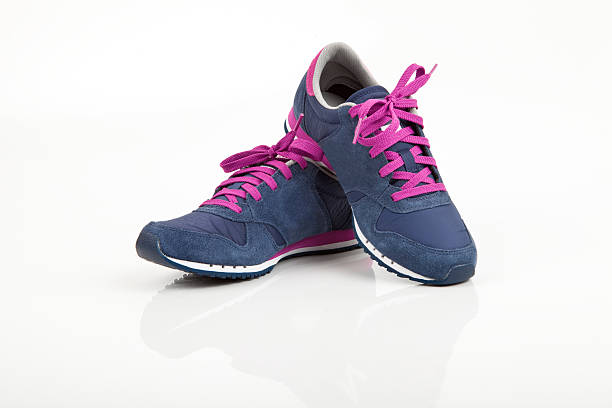
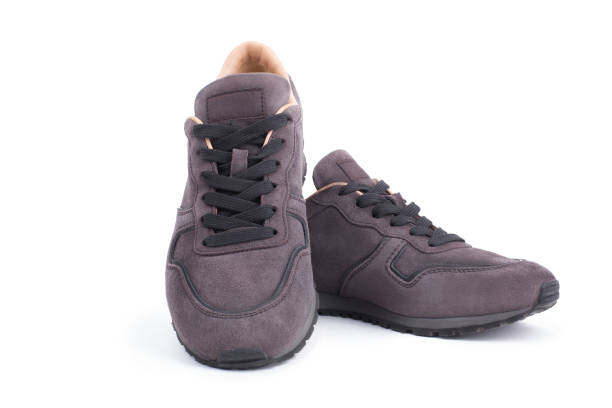
What makes this trend work is the careful attention to proportion and material. A monochrome suit—be it navy, grey, or black—serves as the ideal canvas for a sneaker that either matches the tone for seamless continuity or introduces a single pop of color. The sneaker should be clean and minimal; heavily distressed or overly technical trainers can clash with the refined lines of a suit. Leather or premium canvas sneakers in white, black, or muted metallics are the most versatile. The shape matters too. Slim, low-profile sneakers tend to complement a tailored cut better than chunky dad shoes, though exceptions exist for more avant-garde stylists. The trouser length is critical: a slight break or a cropped hem that reveals the ankle creates a visual bridge between the shoe and the suit, avoiding the awkward drag of fabric pooling over the sneaker.
Beyond the red carpet, celebrities have brought this look into everyday life. Mark Ruffalo has been spotted in a linen suit and canvas sneakers at casual press events, while Eddie Redmayne has paired a velvet tuxedo jacket with sleek black sneakers for after-parties. Even women in the spotlight have adopted the style. Cate Blanchett, no stranger to risqué fashion, wore a tailored skirt suit with white sneakers at a film festival, proving that the rule applies across genders. The underlying principle is the same: the sneaker humanizes the suit, removing the stiffness and pretense that can accompany formalwear. It says that you are approachable, that you value practicality, and that you know the rules well enough to break them.
Of course, not every suit-and-sneaker combination works. The biggest mistakes come from mismatched formality levels. A pinstripe business suit with neon running shoes looks chaotic, not cool. Similarly, a tuxedo with retro basketball kicks can veer into costume territory. The key is to treat the sneaker as an intentional part of the ensemble, not an afterthought. Celebrities who excel at this look often coordinate the sneaker with another element—a belt, a watch strap, or a lining in the jacket. They also ensure the fit of the suit is impeccable; a poorly tailored suit will only look worse next to a sneaker, as the casualness of the shoe highlights every imperfection in the cloth.
What this trend ultimately reveals is a deeper cultural shift. The strict hierarchy of formality has been flattened. We no longer see a sharp divide between “dress” and “casual” footwear. Instead, we see a spectrum where the most interesting fashion happens at the intersection. Celebrities have been the catalysts, using their platforms to demonstrate that confidence is the most important accessory. When a star steps out in a Savile Row suit and a pair of pristine sneakers, they are not dismissing tradition—they are expanding it. They invite us to question why we ever thought comfort and elegance could not share the same silhouette. For the sneaker enthusiast, this is more than a style tip; it is a declaration that personal expression trumps arbitrary rules. The next time you have a formal event, consider swapping your oxfords for a pair of your favorite clean sneakers. If a celebrity can own a red carpet in them, you can certainly own a dinner table.
Articles