The Science Behind the Flat Sole: How Skate Shoes Enhance Board Feel and Control
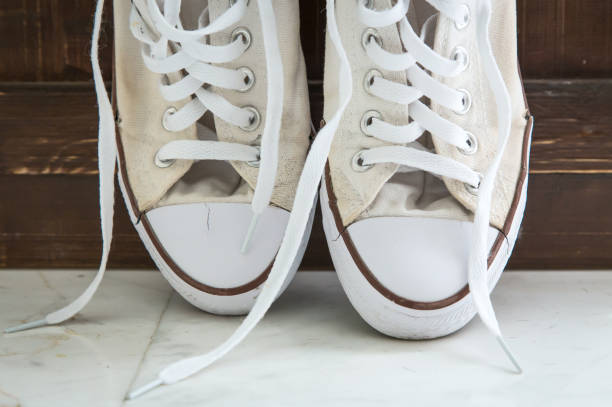
The most distinctive feature of any skateboarding shoe is its sole, a deliberately flat and thin slab of rubber that serves a purpose far beyond mere protection. While casual observers might dismiss this design as simplistic or even cheap, the flat sole is the result of decades of trial, error, and refinement driven by the unique demands of skateboarding. Understanding why flat soles are essential for maximum board feel requires a deep dive into biomechanics, material science, and the physics of balancing on a moving plank of wood.
At the heart of the matter is proprioception, the body’s ability to sense its own position and movement in space. When a skateboarder stands on a board, every minute shift in weight, every subtle tilt of the ankle, and every vibration traveling up from the asphalt must be translated into actionable information. A thick, heavily cushioned sole acts as an insulator, muting those signals. The flat sole, by contrast, minimizes the distance between the foot and the board’s grip tape, allowing nerve endings in the sole of the foot to detect pressure changes, texture variations, and instability with astonishing precision. This direct feedback loop is what enables skateboarders to ollie, kickflip, and land tricks that require split-second adjustments without looking down.
The geometry of the flat sole also plays a critical role in board control. Unlike running shoes or lifestyle sneakers, which often feature a curved profile to promote a rolling gait, skate shoes maintain a completely planar contact surface. This ensures that the entire sole can make simultaneous contact with the board, distributing the skater’s weight evenly. When performing an ollie, the skater’s back foot slides up the nose of the board; without a flat sole, the heel or toe would catch prematurely, disrupting the motion. Similarly, when landing from a jump, a flat sole provides a stable platform that resists twisting, reducing the risk of ankle rolls and allowing the skater to absorb impact efficiently.
Material choice further amplifies the benefits of the flat design. The rubber compounds used in skate shoe outsoles are carefully formulated to offer a specific balance of grip and durability. Too soft, and the sole would wear away in days; too hard, and it would slide uncontrollably across the board. Premium skate brands like Vans, Nike SB, and Adidas Skateboarding invest heavily in proprietary rubber blends, such as Vans’ classic waffle tread or Nike’s herringbone pattern. These treads are not merely decorative—they create hundreds of tiny edges that bite into the grip tape, providing the friction needed for precise foot placement. Yet the tread must remain shallow enough not to impede the immediate contact necessary for board feel.
Another subtle engineering choice is the thickness of the midsole or lack thereof. Many skate shoes eliminate traditional midsoles altogether, gluing the outsole directly to the upper. This “vulcanized” construction, pioneered by Vans in the 1960s, results in a sole that is both thin and flexible. The downside is less impact protection, but for most skateboarders, the trade-off is worthwhile. A thicker midsole would absorb some of the vibration that the skater relies on to know whether a trick is landing cleanly. Over time, some brands have introduced “cupsole” designs that offer more cushioning while still maintaining a flat profile, but these often include a special insert that preserves board feel by channeling vibrations to specific pressure points.
The importance of the flat sole extends into the realm of trick execution. For a kickflip, the front foot must flick off the edge of the board at precisely the right angle. A contoured sole would send the foot off a curved surface, changing the trajectory of the flick and making the spin unpredictable. A flat sole keeps the foot aligned, allowing the skater to repeat the same motion hundreds of times with consistent results. Heelflips, varial flips, and even simple shove-its all depend on this repetitive precision. The flat sole essentially acts as a reference plane, grounding the skater’s muscle memory in a predictable geometry.
Beyond performance, the flat sole also influences how a skate shoe wears over time. Skateboarders tend to drag their back foot along the side of the shoe when catching an ollie, creating a distinctive wear pattern. The flat shape allows manufacturers to reinforce the ollie area—the section between the toe and the eyelets—with extra rubber or suede patches without interfering with the sole’s function. In contrast, a curved or cushioned sole would require complex shaping that could compromise the board-shoe interface. This synergy between durability and design is why many skate shoes look intentionally blocky and utilitarian.
Critics sometimes argue that flat soles lack support for walking or standing for long periods. This is true but misses the point. Skate shoes are purpose-built for a specific activity, not for hiking or casual strolls. The discomfort a non-skater might feel in a flat shoe is the same discomfort that signals to a skater that they are not getting enough board feel. In fact, many professional skaters prefer older, broken-in models precisely because the soles have become even flatter and more flexible with wear, offering an even more intimate connection to the board.
In recent years, the influence of skate shoe design has spread beyond the skatepark. Streetwear enthusiasts and fashion brands have adopted the flat sole aesthetic for its retro appeal and minimalist silhouette. Yet these lifestyle iterations often sacrifice the rubber compound and construction techniques that give skate shoes their unique feel. A fashion sneaker with a flat sole but a stiff, non-grippy outsole will never provide the same level of control. For true skateboarders, the flat sole remains non-negotiable—a sacred design principle that bridges the gap between human intention and wooden reality.
From the first time a skater feels the texture of grip tape through a thin rubber sole, they understand why flat is not a compromise but a necessity. The board becomes an extension of the body, and every trick becomes a conversation between foot and plywood. That conversation is only possible because engineers and designers have refused to add useless bulk, choosing instead to trust the skater’s own senses. The flat sole is, in essence, a statement of faith in human skill—a thin, silent partner in every kickflip and grind.
Articles