The Unwritten Rules of Sneaker Trading: Navigating Fairness and Friendship in Swap Circles
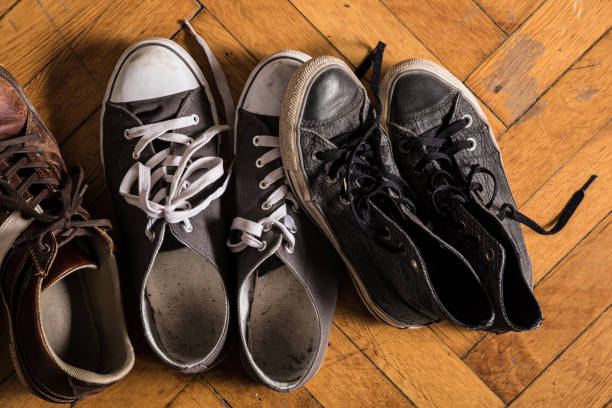
Stepping into a sneaker swap is like entering a parallel universe where heat is measured in stories, not prices. Unlike the transactional coldness of a resale platform, trading communities thrive on something rawer: trust, shared obsession, and the thrill of a straight-up exchange. A pair for a pair, no cash changing hands, just two collectors acknowledging that what one person has grown tired of might be another’s holy grail. But beneath the surface of this seemingly simple barter lies a complex social ecosystem, one governed by unwritten rules that determine whether a trade becomes the start of a lasting friendship or a cautionary tale whispered in group chats.
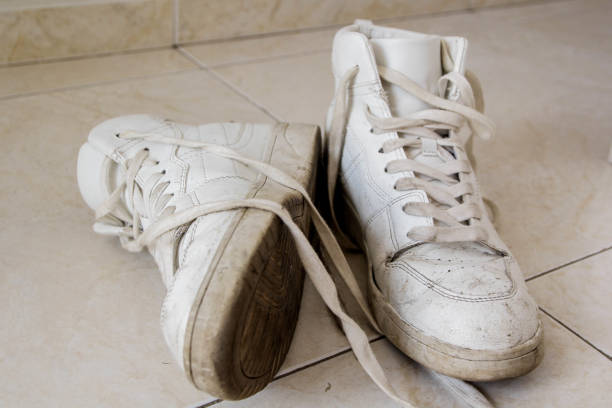
The first and most sacred rule of sneaker swapping is transparency about condition. In the resale world, sellers often rely on stock photos and vague descriptors like “lightly worn.” In a trading community, however, the provenance of every scuff, crease, and discoloration matters immensely. Honest traders photograph their pairs under harsh light, point out the heel drag, and disclose whether the original box has seen better days. This vulnerability is not a weakness; it is the currency of credibility. When both parties share flaws openly, they build a baseline of respect that transforms a mere transaction into a mutual exchange of trust. One collector’s willingness to admit that a Jordan 3 has a cracked midsole can save hours of disappointment and prevent a friendship from souring before it begins.
Equally important is the negotiation of perceived value. Sneaker values are notoriously fluid, influenced by hype, rarity, size, and regional demand. Two collectors looking at the same pair of Yeezy 350s might see wildly different numbers in their heads. The unwritten rule here is to focus on personal utility rather than market price. A trade is considered successful when both parties walk away feeling they got something they wanted more than what they gave. This requires a shift away from dollars-and-cents thinking toward what sneaker culture often calls “love.” If you are trading a pair that you never wear for a pair that will become your daily go-to, you have already won. The best traders understand that value is subjective and frame exchanges around desire, not spreadsheet calculations. They might sweeten a trade with a lace swap, a rare dust bag, or even just a sincere story about why the other person’s shoes matter to them.
The third unwritten rule involves timing and patience. Trading communities are not Amazon Prime; they move at the pace of shared calendars, work schedules, and shipping logistics. Rushing a trade is a common mistake that leads to mismatched expectations. Experienced swappers set clear deadlines for shipping, agree on insurance and tracking, and communicate delays immediately. They also know when to walk away. If the other collector becomes evasive, offers excuses for poor photos, or pressures you to ship first without any track record, the community’s unwritten rule is to trust your gut. Reputation is built slowly and destroyed instantly. One bad trade can blacklist a member from multiple groups, because sneaker hobbyists talk across platforms. The rule is simple: protect your name more than you protect your shoe collection.
Beyond logistics, there is an emotional code that separates trading from shopping. Many swaps take place at meetups, parking lots, sneaker conventions, or even someone’s living room. In person, the dynamics shift dramatically. You stand face to face, holding the other person’s dream pair while they hold yours. Handing over a shoe you have worn for years, that carries the memory of a concert or a first date, can be surprisingly emotional. The unwritten rule is to acknowledge that weight. A simple “I hope you treat these well” or “these got me through a tough semester” transforms the exchange into something human. The other collector reciprocates by promising to care for the pair, and suddenly the sneakers become linked not just to brand history but to the bond between two strangers who now share a tiny, meaningful chapter.
Another crucial norm is the concept of the “middleman” or proxy within trusted circles. When two collectors live in different cities, they might use a mutually respected veteran in the community to verify both pairs before shipping. This third party photographs the shoes, checks for authenticity, and holds them until both sides confirm satisfaction. The unwritten rule is that the middleman never profits; their reward is the community’s health and their own enhanced reputation. This self-policing mechanism keeps scams rare and ensures that even long-distance swaps can happen with a handshake-level of trust.
Finally, the aftermath of a successful trade matters as much as the deal itself. The unwritten rule is to follow up. A quick message the next day asking “How are you liking them?” or “Did the fit work out?” seals the positive experience. Many lifelong sneaker friendships begin with a trade that went well, leading to future swaps, joint cop requests, and shared excitement over upcoming releases. The community becomes a web of relationships rather than a marketplace of transactions. Threads on forums and group chats celebrating a successful trade are common, with members tagging each other and sharing photos of their new acquisitions. This public acknowledgment reinforces the culture of generosity and fair play.
In essence, sneaker swapping is far more than an economic exchange. It is a ritual of connection, reciprocity, and shared passion. The unwritten rules—honesty about condition, valuing desire over market price, communicating patiently, respecting emotional histories, using trusted proxies, and celebrating outcomes—are what prevent these communities from devolving into anonymous digital barter. They are the reason a collector in Tokyo and a collector in Chicago can agree to trade a pair of Dunks without ever meeting, trusting that the other person understands the code. Every time two collectors swap pairs, they reaffirm that the soul of sneaker culture is not about what you own, but about who you share it with.
Articles