Balancing Proportions: How to Wear High-Tops and Low-Tops with Different Pant Cuts
The debate between high-tops and low-tops is not merely a question of personal preference; it is a study in visual balance, body mechanics, and the interplay between footwear and the rest of the outfit. While both silhouettes have their dedicated followings, the true artistry of sneaker styling lies in understanding how each height interacts with different pant cuts, leg lengths, and overall proportions. A mismatched combination can shorten the legs or create awkward bunching, while a thoughtful pairing can elongate the silhouette, add structure, or even create a deliberate, relaxed mood. The key is to treat the sneaker not as an afterthought but as the anchor of the entire lower-body composition.
For high-tops, the primary challenge is the ankle coverage. Because the collar of a high-top extends above the ankle bone, it creates a visual break in the vertical line of the leg. This makes pant selection critical. Straight-leg or slightly tapered jeans that fall just above the sneaker collar or stack gently over the tongue work best. The goal is to avoid a gap of exposed shin between the pant hem and the shoe, as that can visually segment the leg into two short blocks. Cuffed raw denim is a classic move: a single or double cuff that lands precisely at the top of the shoe’s collar creates a clean terminus, drawing attention to the sneaker’s profile without interrupting the leg line. For a more modern take, consider slim-fit chinos or cargo trousers that are cropped to the exact height where they meet the upper edge of the high-top. This look works particularly well with high-tops like a classic Air Jordan 1 or a Converse Chuck Taylor, where the ankle padding and lace eyelets become part of the outfit’s architecture.
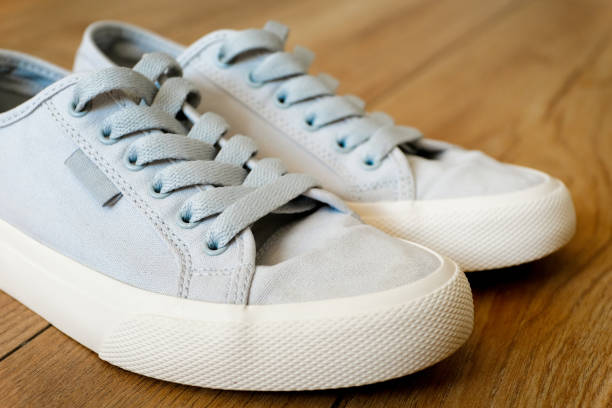
Low-tops, by contrast, offer far more freedom with pant lengths because they leave the ankle exposed. This exposure lengthens the line of the leg, making low-tops ideal for creating a taller, leaner silhouette. The most effective pairings are with pants that have a clean hem that grazes the top of the foot or slightly broken in length. Wide-leg trousers, flowing linen pants, and even relaxed-fit jeans can all be worn with low-tops as long as the hem does not pool on the ground. When the fabric drags, it hides the sneaker and destroys the intended proportion. Instead, aim for a hem that sits just above the sneaker’s eyelets or rests lightly on the tongue. For a sharper look, pinroll or cuff the pant leg to reveal the entire shoe, especially if the low-top has a distinctive colorway or detailing. This is why low-tops like the Nike Air Force 1 or Adidas Stan Smith remain staples: their minimalist shape allows the pant to dictate the line, while the shoe provides a solid, unchanging base.
Another critical factor is the rise of the pants. High-waisted trousers and mid-rise jeans interact differently with each sneaker height. With high-tops, a higher rise can create a more even distribution of fabric, avoiding the unflattering “tucked” look that sometimes occurs when the waistband sits low and the shoe climbs high. Conversely, low-tops pair beautifully with low-rise pants or joggers, as the exposed ankle bridges the gap between the hip and the foot. Streetwear enthusiasts often exploit this by layering socks with low-tops—a bold sock color or pattern adds a third dimension to the leg line, turning the ankle into a design element rather than a void.
The seasonal context also influences the choice of pant and sneaker combination. In cooler months, high-tops are naturally favored because they replace the need for heavy ankle socks and provide warmth. Here, thicker fabrics like corduroy or heavyweight denim work well, and the pant can be worn uncuffed to allow a slight stack that emphasizes the sneaker’s bulk. In warmer weather, low-tops reign supreme, and shorts become a natural companion. But even with shorts, proportion matters: low-tops with a slim short that hits above the knee keep the line clean, while high-tops with shorter shorts can make the legs look shorter, so a longer, baggier short is often preferred.
Ultimately, the best approach is to experiment with mirror-and-ground checks. Stand in front of a full-length mirror and observe the line from your waist to the floor. Does the sneaker height harmonize with the pant width and length? Is there any break or bulk that feels off? High-tops demand intentional breaks, while low-tops reward clean continuity. By mastering these proportional principles, any sneaker enthusiast can elevate their outfit from simply wearing shoes to sculpting a cohesive look that honors the silhouette of both the sneaker and the body.
Articles