Court Feel vs. Impact Protection: How Signature Basketball Shoes Find the Balance
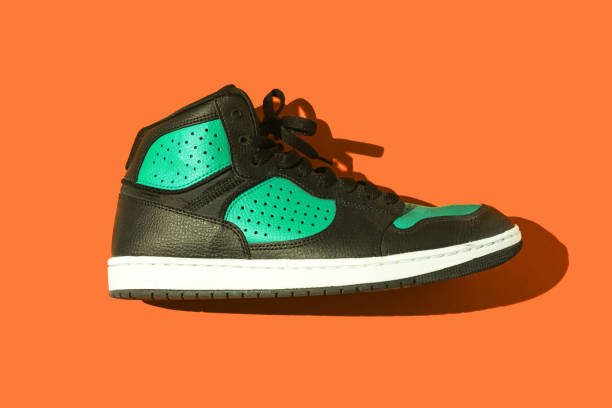
The most consequential decision in a signature basketball shoe is not colorway or storytelling. It is how the design balances court feel with impact protection. Guards want a low, responsive ride that lets them feel the floor, change direction sharply, and explode into drives. Bigs and wings often need more cushioning, broader stability, and forgiving landings after repeated jumps. A signature model must translate an athlete’s specific needs into a wearable product for a wider audience, which makes the court-feel-versus-cushioning debate central to performance testing. The best shoes do not simply choose one side. They manage a spectrum of tradeoffs through stack height, foam chemistry, plate geometry, upper containment, and outsole traction.
Court feel is often described as the ability to perceive the playing surface through the shoe. It matters most in tight-space movements: defensive slides, jab steps, step-backs, and sudden cuts. A lower forefoot stack height and a flexible forefoot can improve proprioception, helping the player trust the edge of the shoe during lateral movements. Too much softness under the forefoot can create a mushy delay between foot strike and push-off, making crossover moves feel less precise. Performance testing usually reveals this through timed change-of-direction drills, subjective feedback on edge control, and video analysis of foot placement. A shoe that feels quick in a straight line may still feel vague when asked to hold a hard lateral cut, especially if the upper lacks midfoot lockdown or the outsole does not wrap the foot cleanly.
Impact protection sits on the other side of the equation. Basketball involves repeated landings from rebounds, contests, and drives, and those forces travel through the heel, midfoot, and forefoot. Modern signature shoes use compression-molded foams, supercritical foams, encapsulated air units, and sometimes structural plates to absorb and return energy. More cushioning can reduce the sting of repeated landings, but it can also raise the center of gravity, dull court feel, and introduce instability if the base is not wide enough. The challenge is not adding cushioning but controlling it. A shoe with a high stack height needs a stable heel counter, a broad outsole footprint, and a torsional shank that prevents the midfoot from folding excessively. Without those elements, impact protection becomes a liability during quick stops and unbalanced landings.
Signature athletes complicate the equation because their preferences are highly personal. A shifty guard may prefer a firmer, lower ride with a responsive forefoot and a snug upper. A powerful forward may prefer a softer heel, a more substantial midsole, and stronger lateral containment. Brands often build a signature line around these preferences, then adjust materials and geometry for broader retail versions. That is why two shoes with similar cushioning technology can feel completely different. Foam is only one variable. The shape of the midsole, the thickness of the outsole, the stiffness of the plate, and the fit of the upper all influence how the cushioning behaves in motion. In-depth reviews should separate lab-friendly specifications from on-court behavior, because a shoe’s perceived cushioning changes once fatigue, sweat, and repeated impact are introduced.
Traction and fit are the quiet partners in this balance. A beautifully cushioned shoe with unreliable traction cannot be trusted on hard cuts, and a low-profile shoe with poor heel lockdown will feel unstable regardless of stack height. Performance testing should include clean and dusty court conditions, stop-and-go drills, and extended play to see whether the outsole compound grips consistently and whether the upper breaks in without losing containment. Fit matters because a loose forefoot forces the toes to overwork, while excessive pressure can cause discomfort during long sessions. The best signature basketball shoes create a secure, consistent platform so the player can forget about the shoe and focus on the game.
Ultimately, court feel and impact protection are not enemies. They are competing priorities that require careful engineering and honest testing. The ideal signature basketball shoe matches its cushioning profile to the athlete’s movement style, then uses stability, traction, and fit to make that cushioning dependable. When a design gets this balance right, the shoe feels neither overly soft nor unnecessarily harsh. It feels connected, protected, and ready for the unpredictable geometry of a real basketball game.