Trail-Ready Sneakers: Grip, Weatherproofing, and Comfort for Outdoor Trails
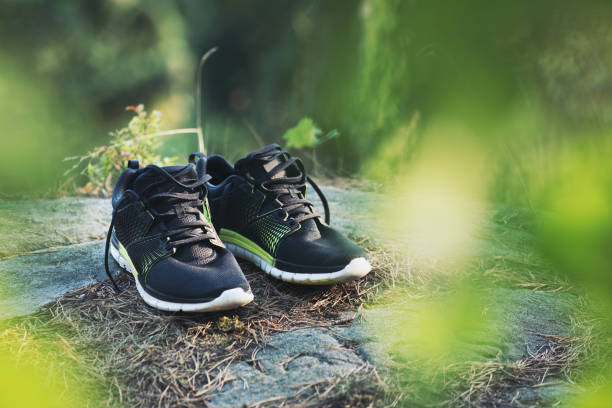
Trail conditions rarely announce themselves with a neat forecast. A morning hike can begin on dry gravel, cross a shaded creek bed, climb through wet roots, and finish on exposed rock still slick from overnight rain. That variability is why hiking and weatherproof sneakers have become more than a niche category. They sit between lightweight trail runners and burlier hiking boots, offering enough protection for day hikes, fastpacking, and urban-to-trail transitions without the stiffness that makes traditional boots feel excessive on shorter routes. The best choices balance traction, weather resistance, breathability, and fit, because a shoe that excels in one condition can fail badly in another. That range explains why one quiver shoe rarely covers every outing.
Traction is the foundation of any trail sneaker. Lug depth, lug shape, and rubber compound determine how a shoe behaves on mud, loose scree, wet granite, and packed dirt. Deep, widely spaced lugs shed mud and bite into soft ground, while smaller, densely arranged lugs improve grip on smooth rock and hardpack. Sticky rubber compounds matter most on wet stone and polished roots, where hardness can turn a confident step into a slip. A subtle heel brake helps on steep descents, and a slightly rounded toe encourages a natural roll through uneven terrain. For trails that mix pavement and dirt, a moderate lug pattern reduces the clunky feeling of aggressive tread on asphalt while still offering enough grip when the surface turns loose. On wet clay, broad lugs can clog, so self-cleaning spacing matters as much as depth; on rocky scrambles, a flatter forefoot gives more rubber contact.
Weatherproofing is the next layer of the puzzle, and it is rarely as simple as “waterproof equals better.” A waterproof membrane can keep rain, dew, and shallow puddles out, but it also reduces breathability and can trap sweat during hard efforts. In cold, wet conditions, that tradeoff is often worthwhile. In warm weather or on trails with frequent stream crossings, a quick-draining, highly breathable shoe may be smarter because it lets water escape instead of holding it against the foot. Water-resistant treatments on the upper can handle light drizzle and damp grass without the full membrane penalty, though they require reapplication as abrasion and cleaning wear them down. The key is matching the shoe to the expected exposure rather than defaulting to the most sealed option. A membrane bootie also adds bulk and can crease if fit is imprecise, so try footwear with the socks you plan to wear.
Protection and comfort shape how a trail sneaker feels over hours. A rock plate or stiffened midsole shields the foot from sharp stones without eliminating ground feel. Toe caps guard against stubbed roots and loose rocks, while reinforced heel counters stabilize the rear foot on off-camber sections. Breathable mesh keeps the interior cooler, but it needs overlays or tightly woven zones in high-wear areas. Fit should leave a thumb’s width at the toe for downhill movement, with a secure midfoot and heel that prevent sliding. Lacing systems that distribute pressure across the instep can reduce hot spots, and a gusseted tongue keeps debris out. Socks matter too: merino blends regulate temperature and resist odor, while synthetic blends dry quickly; seam placement and cushioning should match the shoe’s volume. Volume matters as much as length: narrow heels and wider forefeet need shaping, not just extra room. A firm heel hold and flexible forefoot encourage confident climbing.
Maintenance extends performance. Mud should be rinsed off before it dries in the lugs, and shoes should air-dry away from direct heat. Membranes and water-repellent uppers benefit from gentle cleaning and appropriate treatments, while insoles should be removable and washable when possible. Rotating between pairs gives foam and uppers time to recover, especially during wet seasons. Inspect tread often, because worn lugs lose wet-rock grip long before the upper looks tired. On the trail, a weatherproof sneaker is not a substitute for judgment; slick roots and submerged rocks demand careful foot placement regardless of tread. Still, the right combination of grip, sealed or drainable construction, protective details, and dialed fit turns a hiking sneaker into a reliable partner for outdoor trails, letting the route—not the footwear—set the pace.