
Comprehensive Guide to Sneaker Types
Hiking and Weatherproof Sneakers for Outdoor Trails

Frequently asked questions
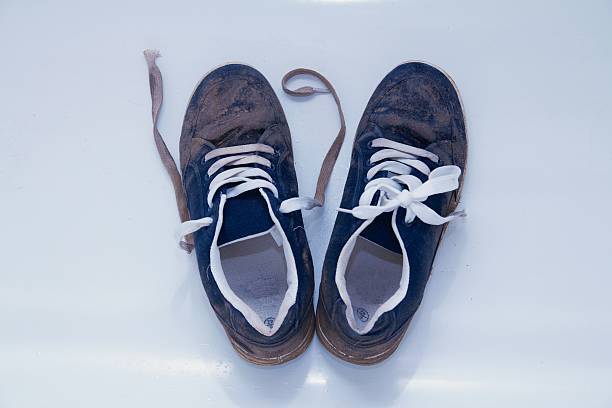
What should I do with my old, worn-out sneakers?
First, explore repair options. If beyond repair, seek out recycling programs. Many brands (Nike, Adidas, etc.) have in-store take-back schemes that grind down old sneakers for use in playground surfaces, insulation, or new shoe components. Specialized organizations like SOEX also collect them. Avoid throwing them in general trash, as they will languish in landfills for centuries. Donation is best for lightly worn pairs.
How useful is the release calendar for enthusiasts?
Our release calendar is an indispensable tool, meticulously updated with global launch dates, raffle links, and retail information. It covers everything from major brand GRs (General Releases) to limited-edition collaborations and highly anticipated restocks. For trends like statement platforms, we specifically flag key drops, giving readers a strategic advantage to plan purchases. We often supplement dates with previews and insights on expected demand, helping collectors prioritize their efforts.
How accurate and useful is the release calendar?
The release calendar is a vital, meticulously updated tool for collectors. It provides reliable dates, times, and retail channels for upcoming general releases and limited drops. This allows enthusiasts to plan purchases, avoid missing out on hyped models, and stay informed about regional availability, making it an essential planning resource in the fast-paced sneaker market.
What are the main challenges in creating fully sustainable sneakers?
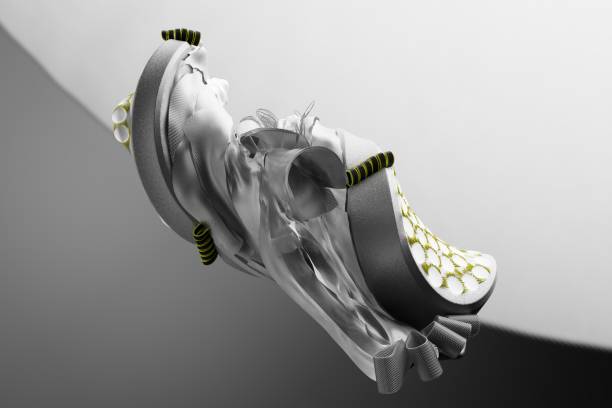
Key challenges include scaling up innovative material production, managing higher costs that can lead to premium pricing, ensuring durability and performance equal to conventional sneakers, and establishing effective end-of-life recycling infrastructure. Balancing complex supply chains for true transparency is also difficult. The biggest hurdle is creating a system where sustainable sneakers are the accessible norm, not a niche, high-end product.
How has skate shoe technology evolved over the decades?
Evolution has balanced board feel with protection. Early days used simple plimsolls. The 70s/80s brought vulcanized rubber and padded collars (Vans). The 90s “big shoe” era introduced massive cushioning, airbags, and plastic supports (éS, DC). The 2000s saw a return to thinner profiles with improved material tech like rubber toe caps and stronger, lighter synthetics. Today, innovation focuses on advanced cushioning systems (Lunarlon, UltraCush), proprietary rubber compounds for grip and wear, and sustainable materials, all while maintaining the essential flat sole and durable construction skaters require.