Understanding the Salon Care 40 Method for Teeth Whitening
The pursuit of a brighter smile has led to the development of numerous at-home whitening techniques, with one of the most discussed and debated being the so-called “Salon Care 40” method. This approach is not an officially sanctioned procedure by dental professionals or the product’s manufacturer, but rather a user-generated protocol that utilizes Salon Care 40 Volume Creme Developer, a product intended for hair bleaching, as a key ingredient for DIY teeth whitening. The method is a stark example of how online beauty trends can sometimes promote risky shortcuts with significant potential for harm, despite claims of dramatic results.
Fundamentally, the Salon Care 40 method involves creating a homemade whitening paste or gel. The core component is the Salon Care 40 developer, which contains a high concentration of hydrogen peroxide—40 volume, translating to approximately 12% hydrogen peroxide. This is a substantially stronger oxidizing agent than what is found in even the most potent professional or over-the-counter dental whitening products, which typically cap at around 10% hydrogen peroxide for in-office treatments and are far lower for home kits. Users often mix this developer with common household items to form a paste, with baking soda being a frequent additive for its mild abrasive properties and perceived ability to neutralize acidity.
The proposed application process mirrors that of conventional whitening gels: the mixture is carefully applied to the tooth surface using a small brush or a makeshift tray, left on for a short duration—often recommended by proponents to be no more than a few minutes—and then thoroughly rinsed. Advocates of the method highlight its extreme low cost and the intense whitening power of the high-potency peroxide, often sharing dramatic before-and-after photographs on social media platforms. This visual “proof” fuels its continued circulation in forums and video tutorials, presenting it as a powerful salon-level secret accessible from one’s bathroom.
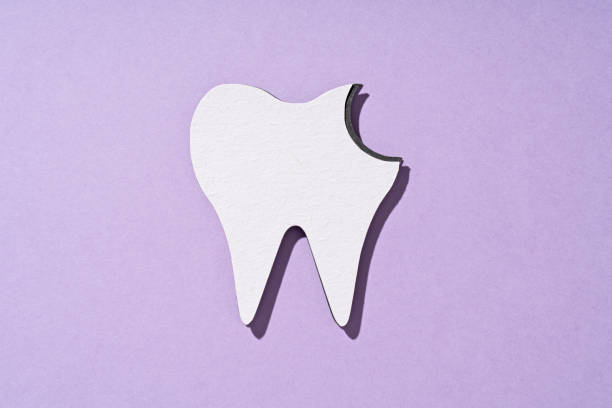
However, the overwhelming consensus from dental professionals is that the Salon Care 40 method is dangerous and should be strictly avoided. The primary risks are severe and can cause long-term damage to oral health. The extreme concentration of peroxide can lead to serious chemical burns on the gums, lips, and soft tissues of the mouth. Furthermore, the unregulated acidity and abrasive nature of the mixture can irreversibly damage the tooth enamel, the protective outer layer of the tooth. Once enamel is eroded, it does not regenerate, leading to permanently increased sensitivity, a higher risk for cavities, and a translucent, bluish discoloration that is far less attractive than surface stains. The method also poses a significant risk of inflaming the dental pulp inside the tooth, which can result in permanent nerve damage and necessitate a root canal.
In essence, the Salon Care 40 method is a hazardous at-home experiment that misappropriates a product designed for keratin-based hair for use on mineral-based teeth. It bypasses all the safety measures engineered into legitimate dental whitening products, such as controlled pH levels, fluoride additives to help remineralize enamel, and properly fitted trays to protect soft tissues. While the desire for an affordable, bright smile is understandable, dental professionals uniformly stress that safe and effective options exist. These range from dentist-supervised take-home kits with custom-fitted trays to regulated over-the-counter products, all of which are formulated to whiten teeth within a margin of safety. Ultimately, the Salon Care 40 method serves as a cautionary tale, illustrating that the potential for swift, dramatic results is never worth the profound risk of lasting damage to one’s oral health.
Articles