Weatherproofing Suede Sneakers: A Practical Guide to Rain, Slush, and Salt

Suede has a reputation for being beautiful in dry weather and fragile in everything else. That reputation is not entirely fair. Suede is leather with a brushed nap, and its fibers can absorb water quickly, but with consistent preparation and smart recovery habits it can handle city rain, winter slush, and salted sidewalks far better than many wearers expect. The goal is not to turn suede into rubber. It is to slow absorption, keep the nap from matting, and remove contaminants before they set.
Preparation matters more than the protector itself. A spray cannot bond evenly to a dusty or damp surface, so begin with fully dry sneakers. Brush the nap in one direction with a suede brush, lifting grit and restoring texture. Treat small marks with a suede eraser before waterproofing, because a protective layer can lock in dirt and make later cleaning harder. If the suede feels dry or stiff, a dedicated suede conditioner can restore suppleness, but allow it to dry completely before moving on. Laces should be removed so the tongue, eyelets, and seams receive attention.
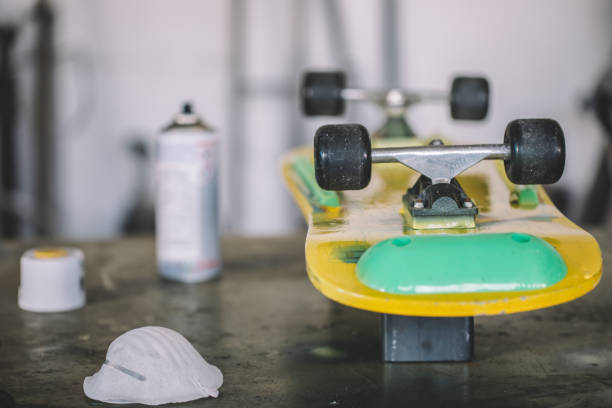
Choose a protector suited to the material and the climate. Fluoropolymer sprays offer strong water and oil repellency, while newer water-based and eco-conscious formulas are gentler but may need more frequent renewal. A wax-based protector can add toughness to smooth suede but may darken color and flatten nap, so test it on a hidden area first. Spray in a ventilated space, hold the can at a sensible distance, and apply thin, even layers rather than one soaking coat. Pay particular attention to the toe box, heel counter, seams, and the lower edge where splashes land first. Let each layer dry fully, then brush lightly to revive the nap. Reapply at the start of wet seasons and after deep cleaning.
Not all suede behaves the same way. Thick, napped suede on winter boots tolerates heavier protection than the fine brushed leather on a low-profile runner. Nubuck, which is sanded on the grain side, often responds well to spray protectors but can become slick if overtreated. Split leather and pigskin suede may darken more readily and require lighter applications. For any unfamiliar pair, test the protector on the heel or under the tongue, let it dry for a full day, and check for discoloration, stiffness, or patchiness. If the nap feels clogged, a soft brush after drying is usually enough to revive it; if the color has shifted, professional cleaning is safer than repeated DIY treatments.
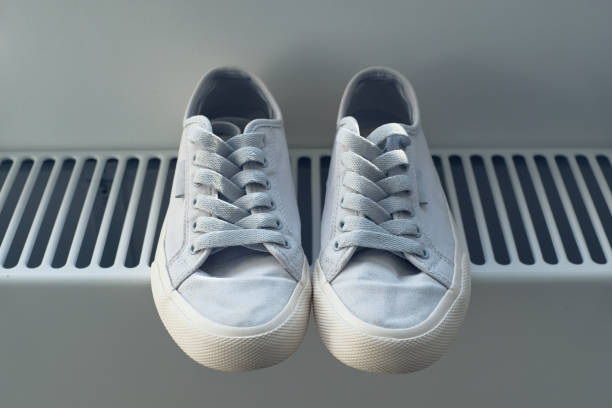
When rain catches you, resist the urge to rub. Blot with a clean microfiber cloth or paper towel, pressing gently to draw water out. Stuff the shoes with plain paper or cedar shoe trees to hold their shape, and air-dry them away from radiators, hair dryers, and direct sun. Heat can shrink leather, crack coatings, and stiffen suede permanently. If the sneakers become soaked, remove the insoles and laces, loosely pack the toes, and let air circulate around the whole shoe. Once dry, brush the nap and reassess whether another protective layer is needed.
Winter salt is a separate problem. Salt crystals can abrade the surface and leave pale, stiff rings as moisture evaporates. Brush off dry salt outside before it is tracked indoors. For lingering marks, use a lightly damp cloth with a dedicated suede cleaner or a very dilute vinegar solution, working in small sections rather than flooding the material. Blot away residue, dry naturally, and brush again. Never scrub hard enough to polish the nap, because suede damage often comes from overcleaning as much as from weather.
Maintenance extends beyond the storm. Rotate sneakers so each pair has time to dry completely, and store them in breathable bags with silica packets during humid months. Avoid sealed plastic, which traps moisture and encourages mildew. Keep a compact brush and eraser near the door for quick post-walk touch-ups. Protective sprays are not permanent; friction, cleaning, and repeated wetting wear them down, so seasonal renewal is normal.
The practical rule is simple: prepare before the weather turns, blot rather than rub, dry without heat, and restore the nap after every wet day. Suede will never be fully waterproof, but it can be weather-ready.