Why Lightweight Walking Shoes with Arch Support Are Essential for Daily Commuters
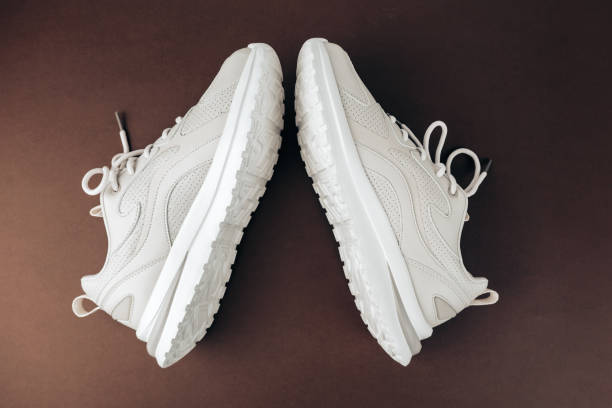
The modern daily commute has transformed from a simple journey into a test of endurance, particularly for those who rely on walking as their primary mode of transportation. Whether navigating city sidewalks, sprinting for a bus, or standing in crowded subway cars, the feet endure constant strain that can ripple upward into knees, hips, and the lower back. In this context, the choice of footwear is not a matter of style alone—it is a biomechanical decision that affects overall health and daily comfort. Lightweight walking shoes engineered with extra arch support have emerged as the unsung heroes of the commuter wardrobe, bridging the gap between casual comfort and functional necessity. Understanding why these shoes matter requires a look at how the foot functions under repetitive pressure, the unique demands of urban walking, and the design innovations that make lightweight support possible.
The human foot contains twenty-six bones, thirty-three joints, and over a hundred muscles, tendons, and ligaments, all working together to absorb shock and propel the body forward. The arch, a curved structure running from the heel to the ball of the foot, acts as a natural spring, distributing weight evenly and storing energy with each step. When this arch is inadequately supported, the foot collapses inward—a condition known as overpronation—leading to excessive strain on the plantar fascia, the band of tissue running along the bottom of the foot. Over time, this can trigger plantar fasciitis, shin splints, and achilles tendonitis. For daily commuters who walk several miles each day, often on unforgiving concrete and asphalt, the risk multiplies. Lightweight walking shoes with extra arch support counteract this collapse by providing a firm yet flexible cradle that maintains the foot’s natural alignment, reducing fatigue and preventing the micro-traumas that accumulate over weeks and months.
Weight matters enormously in the context of a commute. A pair of heavy boots or bulky athletic shoes can add noticeable drag, slowing down the wearer and increasing energy expenditure. Lightweight walking shoes, typically weighing between eight and twelve ounces per shoe, minimize this burden while still delivering the structural integrity needed for arch support. Modern materials like engineered mesh uppers, responsive foam midsoles, and carbon-infused shanks allow designers to shed ounces without sacrificing stability. The result is a shoe that feels almost invisible on the foot, yet provides a solid platform that keeps the arch from sagging. This combination is especially critical for commuters who may walk to a train station, stand for a long ride, then walk again to an office. Repetitive loading in a poorly supported, heavy shoe leads to cumulative stress injuries, while a lightweight, supportive alternative allows the foot to recover more quickly between cycles of activity.
Beyond injury prevention, extra arch support enhances gait efficiency. When the foot is properly aligned, the kinetic chain from ankle to hip operates smoothly, reducing wasted motion and allowing each stride to generate forward momentum with less muscular effort. Studies have shown that runners and walkers who use shoes with adequate arch support exhibit lower oxygen consumption and perceived exertion over the same distance compared to those in neutral shoes. For the commuter, this translates into arriving at work less winded and more mentally sharp, as the body does not have to compensate for unstable footing. Additionally, the improved posture encouraged by arch support can alleviate lower back pain, a common complaint among desk workers who spend hours sitting followed by walks that aggravate misalignment. The shoe becomes a foundation for the entire musculoskeletal system.
Design innovations have made it possible to deliver this support without the clunky orthotic feel that once defined arch-support shoes. Brands now employ three-dimensional foot scanning, pressure mapping, and dynamic heel counters to create shoes that adapt to individual arch heights. Some models incorporate removable insoles that allow users to swap in custom orthotics, while others embed the support directly into the midsole geometry. Ventilation is also a priority, as commuters often wear these shoes from morning until evening, sometimes in varying weather. Breathable mesh panels, moisture-wicking liners, and antimicrobial treatments keep feet dry and odor-free, adding a layer of hygiene that complements the biomechanical benefits.
The cultural shift toward more active commuting—whether by necessity or choice—has elevated the walking shoe from a niche product to a wardrobe staple. City dwellers increasingly prioritize footwear that can transition from a brisk walk to a casual office environment without looking out of place. Lightweight walking shoes with extra arch support now come in neutral tones, sleek silhouettes, and understated branding, making them acceptable in many professional settings. This aesthetic evolution removes the last barrier for commuters who might have hesitated to wear “sensible” shoes. The result is a generation of walkers who no longer have to choose between looking polished and feeling comfortable.
In summary, the daily commute imposes a unique set of demands on the human body. Speed, distance, surface hardness, and prolonged standing combine to stress the feet in ways that recreational walking often does not. Lightweight walking shoes with extra arch address these demands by aligning the foot, reducing fatigue, preventing injury, and improving energy efficiency. They are not merely a convenience but a strategic investment in long-term health and daily performance. As more people embrace walking as a core part of their transportation routine, the role of properly designed footwear will only grow in importance. The simple act of choosing the right shoe can transform a commute from a chore into a sustainable, even enjoyable, part of the day.
Articles