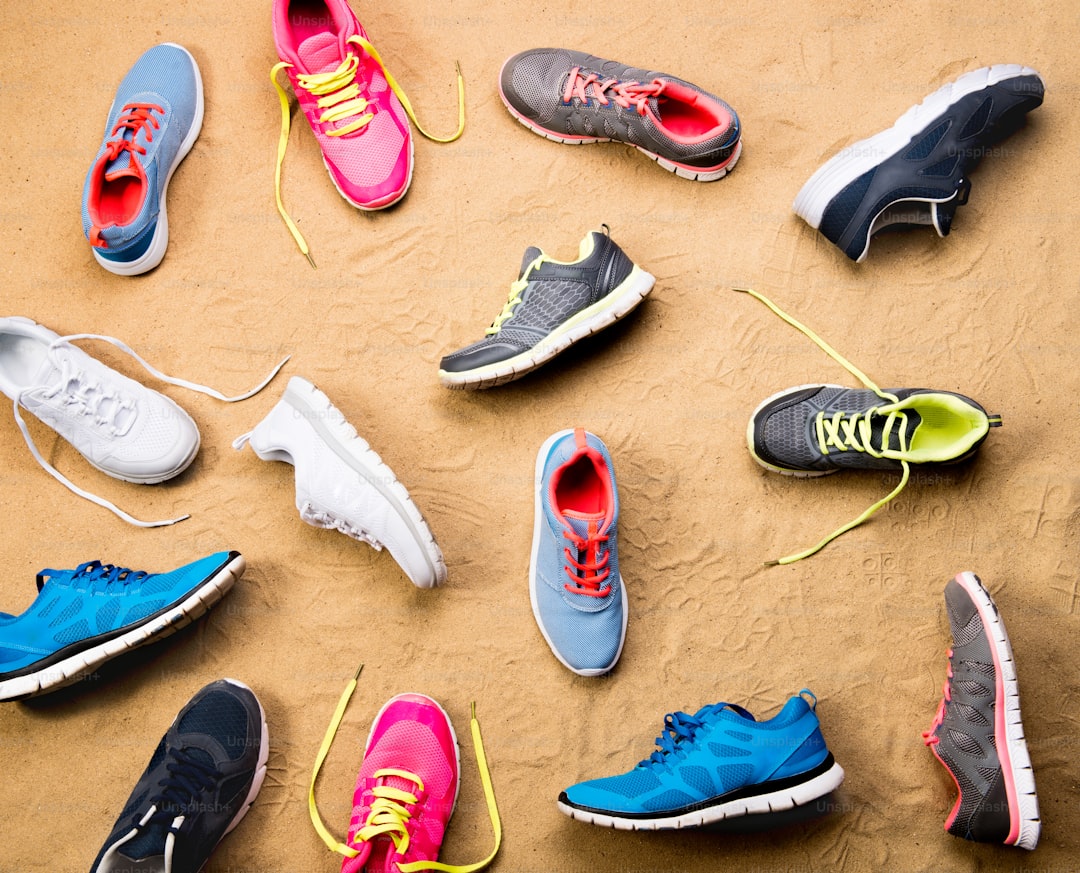
Why Mesh Remains the Gold Standard for Breathable Performance Sneakers
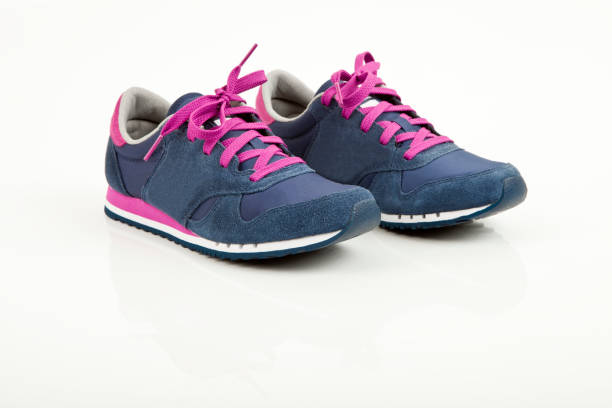
When sneaker enthusiasts debate material quality, leather often claims the crown for luxury, suede for texture, and synthetics for cost efficiency. Yet one material quietly outperforms them all in the domain of athletic function: mesh. Far from a simple fabric, modern engineered mesh has evolved into a sophisticated solution that balances breathability, weight, flexibility, and durability in ways that traditional materials simply cannot match. For anyone serious about performance testing, mesh deserves a closer look—not as a compromise, but as a triumph of material science.
The primary advantage of mesh is its inherent breathability. Unlike leather or synthetic overlays that trap heat and moisture, mesh is constructed from an open, interlocking weave of fibers that allows air to circulate freely. This characteristic directly impacts performance. During high-intensity activities, feet generate significant heat and perspiration; a sealed upper leads to discomfort, blisters, and reduced proprioception. Mesh mitigates these issues by wicking moisture away from the skin and promoting evaporation. In controlled temperature and humidity tests, sneakers with full mesh uppers consistently show lower internal temperatures after prolonged use compared to those with leather or dense synthetics. For runners, cross-trainers, and anyone who sweats, this difference translates into extended comfort and reduced fatigue.
Equally important is the weight reduction that mesh provides. A typical leather sneaker upper can weigh nearly double that of an equivalent mesh design. In performance scenarios, every gram matters. Less mass on the foot means less energy expended with each stride, which can improve acceleration and endurance. Mesh also contributes to a more natural, sock-like fit because it conforms to the foot without the stiffness of leather or the plastic-like rigidity of many synthetics. This flexibility allows for a wider range of motion, essential for sports requiring lateral cuts, jumps, or quick pivots. Testing has shown that mesh uppers often reduce the break-in period to zero—there is no need to “wear them in” as with leather, which can crease and stiffen before softening.
Durability, however, is where mesh has traditionally faced skepticism. Early mesh sneakers from the 1980s were prone to tearing and stretching, leading many to view the material as cheap or temporary. But modern engineered mesh has undergone a revolution. Today’s mesh is often constructed from high-denier nylon or polyester fibers that are thermally bonded or woven in complex patterns to resist abrasion and deformation. Brands like Nike with Flyknit, Adidas with Primeknit, and Under Armour with Threadborne have developed proprietary mesh technologies that combine strength with targeted zones of stretch and support. In stress tests involving repeated flexing and impact, these advanced meshes outperform many synthetic leathers in tear resistance, while maintaining their shape over hundreds of miles. The key is the integration of reinforcing layers—often thin TPU films or internal cages—that add structural integrity without compromising breathability.
Another overlooked aspect is the versatility of mesh in different weather and terrain conditions. While leather can absorb water and become heavy, mesh dries quickly. A soaked mesh sneaker can be worn again within hours, whereas leather may take a day or more to fully dry, risking mildew and odor. For trail runners or athletes who train in wet climates, this quick-drying property is a game-changer. Additionally, modern mesh can be treated with water-resistant coatings without sealing its pores, offering a middle ground between full waterproofing and breathability. Some performance sneakers now feature a dual-layer mesh—a thin, tight inner layer for debris protection and a porous outer layer for airflow—demonstrating how far the material has come.
From a collector and maintenance perspective, mesh also has advantages. It is easier to clean than suede or nubuck, which can be ruined by water or improper brushing. A simple wash with mild soap and water restores most mesh sneakers to near-new condition. Leather, by contrast, requires conditioners and can develop permanent scuffs. Suede demands specialized erasers and brushes. Mesh, while not immune to stains, offers a low-maintenance option for those who wear their sneakers hard.
Of course, no material is perfect. Mesh can snag on sharp objects, and its lighter construction may not provide the ankle support that some heavy-duty lace-up leather boots offer. For certain sports like weightlifting or basketball, where lateral stability is paramount, mesh is often reinforced with synthetic overlays. But for the vast majority of performance sneakers—running, training, casual sport—mesh remains the go-to choice because it prioritizes the most critical performance factor: the foot’s need to breathe.
In the ongoing debate over material quality, mesh has earned its place not by imitation of leather or suede, but by offering a completely different set of properties that align with active lifestyles. It is lightweight, breathable, flexible, durable, and easy to care for. For those testing sneakers on the track, trail, or gym floor, mesh consistently delivers where other materials fall short. That is why, despite decades of innovation in synthetics and natural materials, mesh continues to dominate the performance sneaker category—and shows no signs of being replaced.
Articles