Why Some Sneakers Feel Better After a Week and Others Never Break In
Break-in periods are among the most misunderstood aspects of sneaker comfort. A pair can feel flawless in the store, only to turn into a source of hot spots after three hours of errands. Another pair can feel stiff and unforgiving on day one, then become the most reliable walking shoe in the rotation by week two. The difference is not luck. It is a combination of materials, construction, fit, and the way a foot changes during the day. Understanding that combination helps separate normal adaptation from a shoe that will never work.
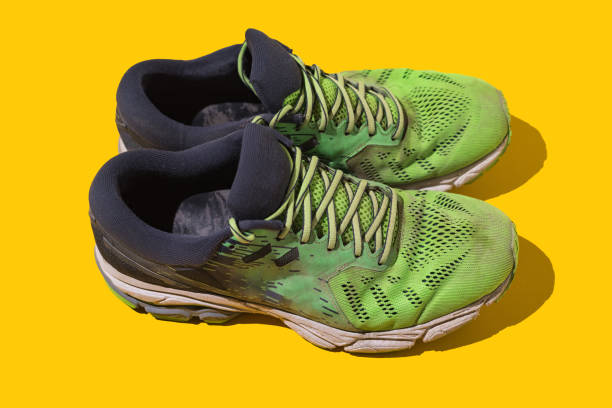
The upper is usually the first place break-in begins. Full-grain leather, suede, and some heavy canvas starts stiff because fibers and coatings resist bending. With repeated flexing, the material softens at the forefoot and molds around the shape of the toes, instep, and heel. Heat and moisture from the foot accelerate this process, which is why leather sneakers often feel dramatically better after several wears rather than one long walk. Knit and mesh uppers behave differently. They stretch quickly and breathe well, so initial comfort is high, but they may not develop the same supportive hug. A knit shoe can feel broken in within minutes, yet still cause fatigue if the midsole or heel counter is weak.
The midsole and footbed create a second, slower break-in curve. Foam cushioning compresses and packs out with use, changing both softness and stability. Some foams feel firm for the first few miles while cell walls settle, then deliver a smoother ride. Others start plush and gradually lose bounce, which can make all-day wear less comfortable even though the shoe feels more broken in. Removable insoles also adapt. They flatten under pressure, take on the shape of the arch, and absorb sweat, but once they lose resilience, they can no longer hide a poor fit. A true comfort rating should therefore separate initial step-in feel from sustained comfort after four, eight, or twelve hours.
All-day wear adds variables that a quick try-on cannot reveal. Feet swell during standing, walking, and warm afternoons. A toe box that seems roomy in the morning may feel crowded by lunchtime. Lacing that feels secure for a short walk may create pressure across the instep after prolonged sitting or driving. Thin cotton socks reduce friction less effectively than wool or technical blends, especially in humidity. Moisture softens uppers and skin, increasing the risk of blisters and hot spots. That is why performance testing for all-day comfort should include different sock types, temperatures, and activity levels rather than a single treadmill session.
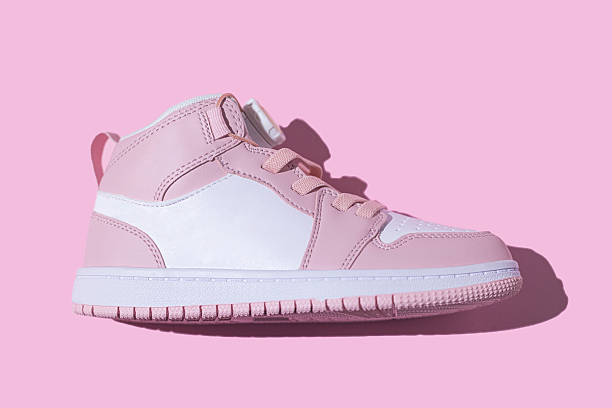
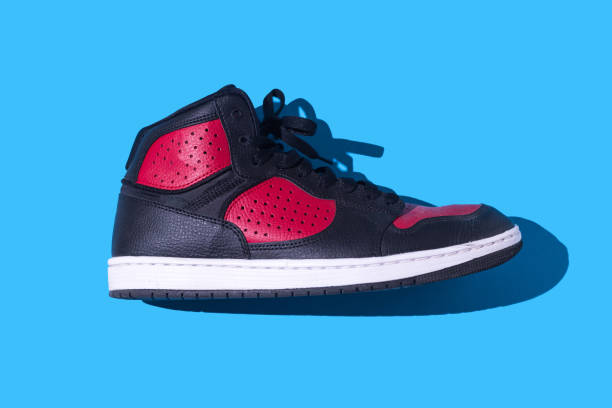
Break-in timelines vary widely. Lightweight knit runners may require almost none, though their lack of structure can become a problem for people who need arch support or heel stability. Leather lifestyle sneakers often need ten to twenty hours of wear, spread over several days, before they flex naturally. Hiking-inspired models with thick leather and aggressive outsoles may need a month of short walks. Basketball and skate shoes can take longer because reinforced toe caps and side panels resist stretching. The key is gradual exposure. Short wears let materials warm and flex without causing injury, while rest days let the foot recover and the shoe dry.
Not every discomfort is a break-in issue. Sharp pain, numbness, tingling, or a blister that forms within minutes is a warning sign, not a phase. Heel slip that persists after lacing adjustments can indicate a mismatched last or too much length. Toe pressure suggests the shoe is too short or too shallow. Arch pain may mean the support curve is wrong for the foot, and no amount of wearing will fix it. A proper break-in should feel like a gradual reduction of stiffness, not a daily battle. If a shoe needs thick socks just to be tolerable, it is already failing the comfort test.
In performance reviews, the most useful comfort ratings combine objective data with honest wear testing. Pressure mapping shows where weight concentrates. Thermal readings reveal heat buildup. Moisture measurements show how quickly a lining dries. Subjective notes track energy return, stability, and fatigue over long days. The best sneakers are not necessarily the softest at first touch. They are the ones that adapt without collapsing, support without pinching, and remain comfortable after the initial excitement fades. Break-in is real, but it has limits. The ideal pair meets the foot partway, then continues to work with it mile after mile.
Articles