Why Your Sneaker Size Changes from One Model to the Next
A size 10 is not a universal measurement. It is a starting point shaped by a last, the foot-like form around which a shoe is built. Every sneaker model uses a different last, and even two shoes from the same brand can vary if they were designed by different teams, manufactured in different factories, or built for different activities. That is why one pair of size 10 running shoes can feel roomy while a size 10 basketball sneaker pinches the toes.
The shape of the last determines almost everything. A performance runner often has a tapered toe box and a snug midfoot to lock the foot over foam. A retro basketball shoe may have a wider forefoot and a higher instep. A skate shoe might run long but shallow, while a trail shoe could run short but broad to accommodate swelling feet on descents. When people say a shoe runs small or large, they usually mean that the last does not match the average foot in their size.
Materials change fit over time. Leather and suede break in and stretch, sometimes by half a size in the forefoot. Knit uppers often expand quickly but may not recover, leading to a sloppy fit after weeks. A shoe with a plush inner bootie may feel tight at first and then pack out. The same size can therefore feel different on day one and day thirty. Sizing guides should note whether a model breaks in, stays true, or packs out.
Activity also changes the ideal fit. Running shoes need a thumb’s width of space in front of the longest toe to prevent black toenails, especially on downhill stretches. Basketball shoes need a snug heel and midfoot but a stable forefoot for cutting. Lifestyle sneakers prioritize comfort and style, so many people size down for a sleek look. Skaters want a precise fit for board feel, while hikers want extra room for swelling and toe splay. A single model can even fit differently across colorways if materials or production runs change.
Width is the most ignored variable. Most sneakers come only in medium width, but feet come in many widths. A person with wide feet may need to size up in a narrow model, which adds length but not enough width. That can cause heel slip and toe cramping at the same time. If your little toe presses against the upper or your foot spills over the midsole, sizing up may not solve the problem. Look for models described as wide-friendly or consider a half size up only when the length is truly short.
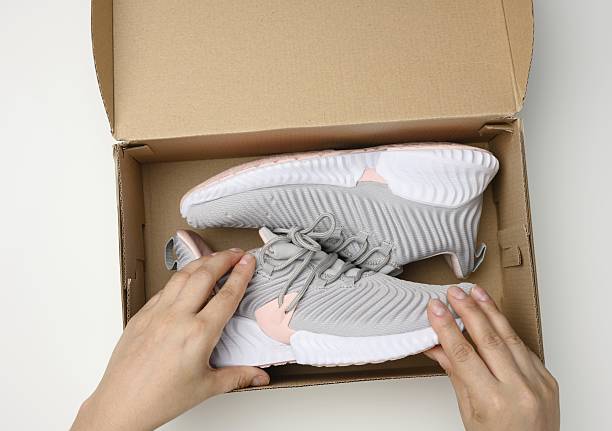
Insoles and socks add another layer. A thick Ortholite insole can eat up half a size, while a flat racing insole frees space. Aftermarket insoles with arch support can push the foot up and back, making the toe box feel shorter. Socks range from ultra-thin racing pairs to cushioned merino crews. A shoe that fits perfectly with thin socks may be unbearable with thick ones.
Measurement helps, but it is not everything. Trace your foot on paper while standing, measure heel to longest toe, and compare that to the brand’s centimeter chart. Measure late in the day, when feet are largest. Wear the socks you intend to use. Check both feet, because most people have a slight difference. Then read multiple reviews from people with similar foot shapes. A review from someone with narrow feet may call a shoe roomy; someone with wide feet may call it narrow. Fit is personal, and no chart can capture every arch, instep, and toe shape.
The best approach is to treat every model as its own puzzle. Start with your measured size, adjust for the last, materials, socks, and activity, then choose a retailer with easy exchanges. Try shoes at the end of the day, walk on different surfaces, and test the heel, midfoot, and toe box separately. If a shoe feels tight in the toes but loose in the heel, it is probably the wrong shape, not just the wrong size. The goal is not to find your one true size. It is to find the size and model that lets your foot work naturally.
Articles