Balancing Chunky and Slim Sneakers: A Proportion Playbook for Modern Outfits
Proportion is the quiet conversation between a sneaker and the rest of an outfit. A chunky sneaker adds visual weight, expands the footprint, and pulls the eye downward. A slim sneaker reduces visual mass, sharpens the line of the leg, and lets clothing carry more of the silhouette. Neither is inherently more stylish. The goal is to make the shoe and the outfit feel intentionally linked rather than accidentally mismatched. When proportions are balanced, bold sneakers look deliberate and slim sneakers look considered, even when the outfit is relaxed.
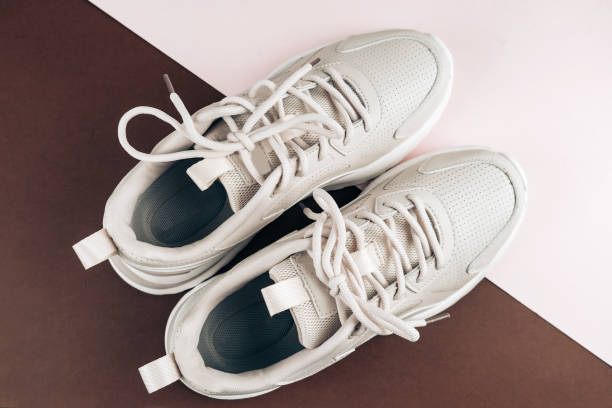
Chunky sneakers work best when the clothing gives them room without letting them disappear. A straight-leg jean, a tapered trouser, or a cropped wide-leg pant can create a clean frame around a heavier shoe. The hem matters more than the label. If the pant leg pools over the shoe, the outfit can look top-heavy or sloppy; if it stops just above the ankle or breaks once across the upper, the sneaker reads as the anchor. Cropped jackets, shorter tops, and fitted knits can balance the volume below by keeping the upper body streamlined. In cooler weather, a chunky sneaker pairs well with a compact puffer or a boxy bomber, provided the trousers remain controlled. Socks become part of the design, bridging the gap between hem and shoe with a deliberate color or texture rather than a random flash of fabric.
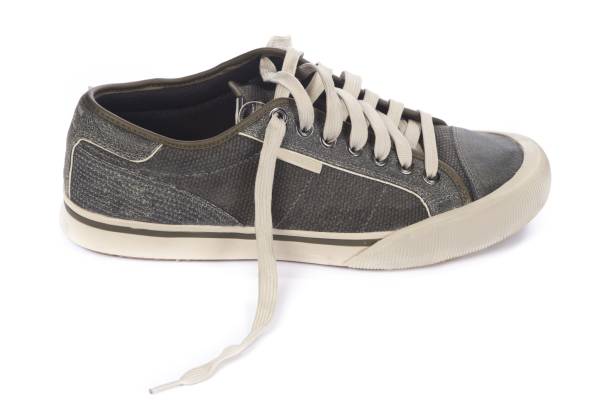
Slim sneakers create the opposite challenge. Because they carry less visual weight, they can get lost under wide-leg trousers, long coats, or oversized layers. The solution is not to force every outfit into skinny jeans but to keep the shoe visible enough to register. A cropped wide-leg pant, a rolled cuff, or a tapered leg that ends near the ankle gives a low-profile sneaker room to breathe. Slim sneakers are especially effective with voluminous tailoring, long topcoats, and oversized shirts because they keep the overall look from becoming heavy. They also work with flowing dresses and relaxed skirts, where their lighter profile prevents the outfit from feeling weighed down. The key is to avoid a hem that swallows the shoe entirely unless the point is an intentional, floor-skimming statement.
Visual weight is not only about size. Color and texture change how much space a sneaker appears to occupy. A pale chunky sneaker can feel larger than a dark one, while a slim white sneaker can still hold attention against dark trousers. Monochrome dressing can elongate the body and make a bulky shoe feel more integrated, while high-contrast combinations can highlight the sneaker as a focal point. Suede, mesh, leather, and rubber each add their own density. A textured chunky shoe may need smoother clothing to keep the outfit from feeling busy, whereas a clean slim sneaker can support louder patterns and layered fabrics.
The most useful approach is to decide which element leads. If the sneaker is the statement, keep the clothing close to the body or controlled in volume. If the clothing is the statement, choose a sneaker that supports the silhouette without competing. This does not mean following rigid rules. A chunky sneaker with wide-leg denim can work beautifully when the hem is cropped and the top is fitted. A slim sneaker with baggy trousers can work when the cuff is rolled and the shoe is allowed to peek through. The difference is usually a few centimeters of hem, a cleaner sock line, or a jacket that changes the visual center of the outfit.
Seasonal dressing changes the balance, too. In summer, chunky sneakers can anchor shorts, mini skirts, and cropped trousers, while slim sneakers keep long dresses and light layers from feeling too airy. In winter, chunky pairs suit heavy coats and textured knits, but they need a trouser that does not collapse over them. Slim pairs bring sharpness to long wool coats and relaxed denim, especially when the ankle is visible or the hem is tailored. Across every season, the best outfits treat proportion as a moving target rather than a fixed formula. The sneaker does not have to be the loudest piece, but it should have a clear role. When chunky and slim sneakers are balanced with intention, bold proportions stop feeling risky and start feeling like personal style.