
Comprehensive Guide to Sneaker Types
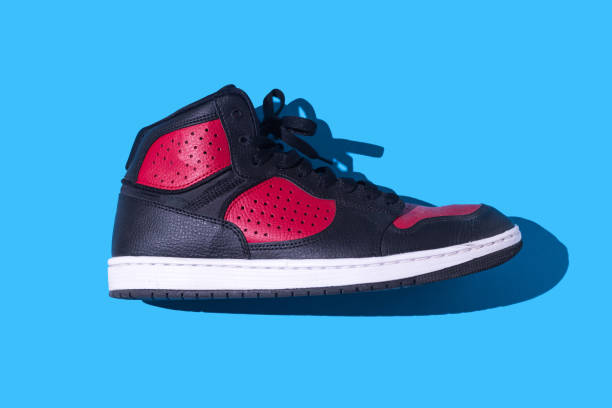
Basketball Sneakers: High-Tops for Ankle Support and Grip


Frequently asked questions
Which brands dominate the performance basketball sneaker market?
Nike (and its Jordan Brand subsidiary) holds a commanding market share, driven by iconic athlete signatures like LeBron, Giannis, and Luka Dončić. Adidas, with stars like Damian Lillard, is a strong contender. Under Armour, notably with Stephen Curry’s line, and Puma’s recent resurgence with LaMelo Ball, complete the major players. Chinese brands like Li-Ning and Anta are also gaining global traction through partnerships with NBA athletes, offering innovative and competitive performance models.
How have basketball sneaker technologies evolved for better cushioning and support?
Evolution has moved from basic rubber soles to advanced, often proprietary, systems. Cushioning progressed from foam to encapsulated air (Nike Air), gel (ASICS), and responsive foam compounds (Adidas Boost, Nike ZoomX). Support technologies include carbon fiber shank plates for torsional rigidity, dynamic fit systems like Flywire for adaptive lockdown, and engineered knit uppers for targeted support. Each iteration aims to enhance energy return, reduce injury risk, and cater to specific athletic needs.
What are some iconic “Hall of Fame” basketball sneaker models?
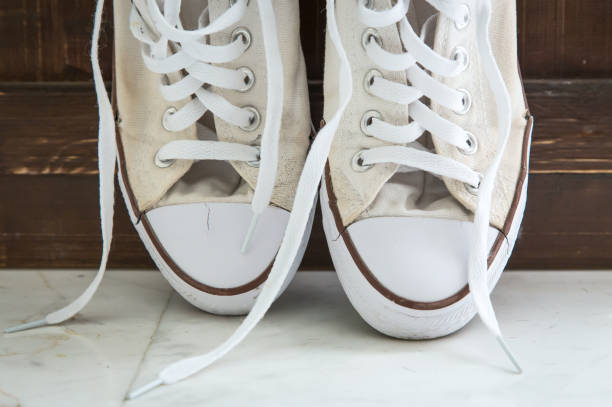
The pantheon includes game-changers like the Converse Chuck Taylor All Star, the original canvas basketball shoe. The 1985 Air Jordan 1 revolutionized the category with Nike Air and bold style. The Nike Air Force 1 introduced the cupsole. Later, the Reebok Question (Allen Iverson) and Answer IV, along with the Adidas Superstar, cemented their legacies. Modern icons include the Nike Kobe series, known for its low-cut, precise performance, influencing today’s designs.
Can basketball sneakers be worn effectively for casual style?
Absolutely. The basketball sneaker is a streetwear cornerstone. The key is balancing proportions. Pair bulky high-tops like Air Jordans with slim or tapered pants that can sit on the shoe’s collar. For a modern look, try techwear or tailored sweats. Low-top performance models, like Kobe’s, offer a sleeker profile. The style leverages the shoe’s bold design and heritage, transforming technical performance features into fashion statements that signify sports culture and authenticity.
What role do materials play in the performance of a basketball sneaker?
Materials directly dictate performance characteristics. Lightweight, breathable meshes enhance ventilation, while synthetic leathers and fuses offer structure and lockdown. Dynamic materials like Flyknit provide adaptive support. Durable rubber compounds in outsoles ensure traction longevity. The interplay of these materials affects everything from foot fatigue and temperature management to the shoe’s ability to withstand the abrasion of hard cuts and jumps, making material choice a critical component of sneaker design.