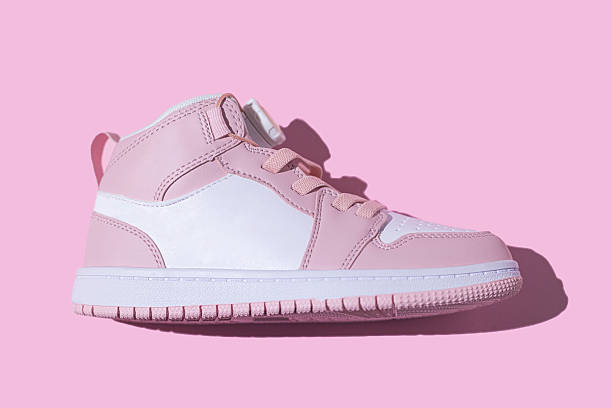
High-Top Basketball Sneakers: How Ankle Support and Grip Shape Performance
High-top basketball sneakers are often judged by silhouette, but their real value lies in how they mediate force. Ankle support and grip are not decorative categories; they are performance systems that determine how confidently a player cuts, lands, and changes direction. A high-top’s extended collar can limit excessive inversion and eversion, but it must do so without restricting the natural plantar flexion needed for sprinting and jumping. Modern designs use padded collars, internal straps, molded heel counters, and responsive foams to create a secure fit around the ankle joint. The goal is not to immobilize ankle but to provide proprioceptive feedback and lateral containment. When collar height, lacing, and midfoot lockdown work together, the shoe feels connected to the leg rather than like a boot.
Grip is equally critical. Basketball demands traction on polished hardwood, dusty courts, and outdoor surfaces. Herringbone patterns remain a benchmark because they channel dust and water away while offering multidirectional bite. The rubber compound matters as much as tread geometry; softer rubbers grip clean courts but wear quickly outdoors, while harder compounds trade some stickiness for durability. High-top basketball shoes often need a balance: enough traction for hard stops without making the foot feel stuck when pivoting. A well-designed outsole supports rotational movements with pivot points and flex grooves, allowing the forefoot to move naturally while the heel remains stable. The best grip is predictable rather than maximal. On dusty courts, a clean outsole matters as much as a sticky compound, so players should wipe traction surfaces during play.
The interaction between ankle support and grip is where high-tops earn their place. A stable ankle collar gives the outsole a consistent platform, so traction can be applied through the foot rather than lost to wobble. Conversely, excellent grip without adequate containment can cause the foot to roll inside the shoe during sharp cuts. High-top designs address this through internal bootie constructions, asymmetrical lacing, and reinforced eyestays that pull the upper snugly around the midfoot and ankle. Heel counters and outriggers extend the base of support, especially during lateral slides. These features matter for players who rely on defensive slides, euro steps, and quick stop-and-go moves.
Fit remains the deciding variable. A high-top cannot provide ankle support if the heel lifts or the forefoot slides. Players should look for a snug heel, a secure midfoot, and enough room in the toe box to avoid pinching. Lacing systems that distribute pressure evenly can improve lockdown without creating hot spots. Some athletes prefer a rigid collar for a locked-in feel, while others need flexibility for ankle mobility. Break-in time also affects performance; stiff uppers may need gradual wear before they mold to the foot. Socks matter too, since thin socks can change the fit and reduce the cushioning around the collar.
Cushioning and court feel influence how support and grip are experienced. A high-top with plush cushioning may absorb impact well but feel less connected to the floor. A firmer setup can improve court feel and responsiveness but may transmit more shock. Many modern basketball sneakers use cushioned heel units with a lower, wider forefoot to balance impact protection and stability. The outsole’s thickness and stiffness also affect proprioception. Players who value quick cuts may favor a more flexible forefoot, while bigger players may need a stiffer platform for support under load. Break-in and surface consistency also matter, because a shoe that grips well on clean hardwood may slip on dusty panels or outdoor concrete.
Ultimately, high-top basketball sneakers are most effective when support and traction are designed as one system. Collar height alone does not prevent ankle injuries, and tread depth alone does not create grip. The best models combine a secure heel, a contained midfoot, a mobile forefoot, and a traction pattern that matches the playing surface. That balance lets players move with confidence, trusting the shoe to hold the ankle while the outsole holds the court. High-tops remain popular because they offer a visible promise of protection, but the real performance comes from hidden details working together. Choosing a high-top is therefore less about height and more about how the shoe manages the body’s forces from heel strike to toe-off. That is the quiet advantage of a well-built high-top.