Behind the Sole: How Traction and Durability Testing Separate Real Sneakers From Hype
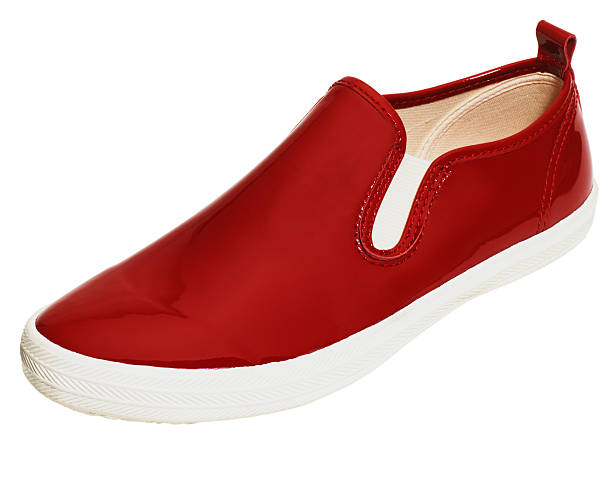
A sneaker’s outsole is the first point of contact with the world and the last line of defense against it. It meets polished hardwood, gritty asphalt, damp pavement, dusty court, and carpeted hallway. It bears repeated landings, pivots, drags, and stops, often with little visible credit until something goes wrong. Traction and durability testing exists to answer a deceptively simple question: does the bottom of the shoe perform as well as the top promises? The answer lives in rubber chemistry, tread geometry, lab machinery, and long hours of real-world wear.
Traction begins with friction, but useful traction is not a single number. Testers measure grip on dry and wet surfaces, smooth and textured floors, and clean and contaminated conditions. A compound that bites beautifully on a clean indoor court may harden or smear on hot asphalt. A deep, aggressive tread may shed mud yet feel vague on polished concrete. Controlled tests often use a mechanical sled or pendulum to calculate coefficient of friction, but sneaker performance is too dynamic for one reading. Lateral cuts, heel-to-toe transitions, and sudden stops load the outsole at different angles, so testers map how the rubber responds when pushed sideways as well as forward. Surface temperature matters too, because rubber that feels tacky in a cool gym can turn greasy under direct sun.
Tread pattern turns compound into direction. Herringbone remains a benchmark for indoor court grip because its zigzag edges create multiple biting lines for pivots and cuts. Radial patterns can support rotational moves, while modified waffle or lug layouts favor outdoor surfaces by channeling grit and water away from contact patches. Testers inspect groove depth, spacing, and edge sharpness after repeated use, not just when new. A pattern that clogs with dust loses effective contact area; one with thin, flexible lugs may grip well initially but tear or fold under pressure. The best designs balance bite, water evacuation, and the ability to release debris so the outsole keeps contacting the ground instead of riding on a layer of grit.
Durability testing attacks the same rubber from another direction. Abrasion machines grind samples against standardized surfaces to estimate wear resistance, while durometer readings reveal hardness and consistency. Harder rubber often lasts longer but can sacrifice grip; softer rubber may feel plush and sticky but wears quickly, especially for players who drag their toe or slide on outdoor courts. Testers also examine flex fatigue, because an outsole must bend repeatedly without cracking at flex grooves or separating from the midsole. Bond strength matters just as much as compound toughness. A shoe can have excellent rubber and still fail if the outsole lifts at the toe or heel after moisture and heat exposure.
Real-world wear testing adds the chaos that labs cannot fully reproduce. Testers rotate pairs through court sessions, street walks, and mixed-condition runs, logging hours, surfaces, player weight, movement style, and weather. They photograph wear patterns at set intervals and compare them with control pairs. Heel drag, forefoot scuffing, and pivot-point smoothing tell a story about how force travels through the shoe. A durable outsole is not simply thick; it resists chunking, glazing, and compression set while maintaining enough texture to keep gripping after the first layer of rubber disappears.
The most revealing tests combine data with feel. A tester may record excellent dry traction and still report instability because the rubber is too hard at the edges. Another pair may show moderate lab abrasion results but survive months of outdoor play because the tread distributes pressure evenly. That is why traction and durability testing should be read together. Grip without longevity is a short-lived advantage; longevity without grip is a false economy. The outsole is where engineering meets the street, and the best sneakers earn trust not through launch-day hype but through repeatable performance when the surface changes, the weather turns, and the miles accumulate.