How to Style High-Tops and Low-Tops: Proportion, Hemlines, and Outfit Balance
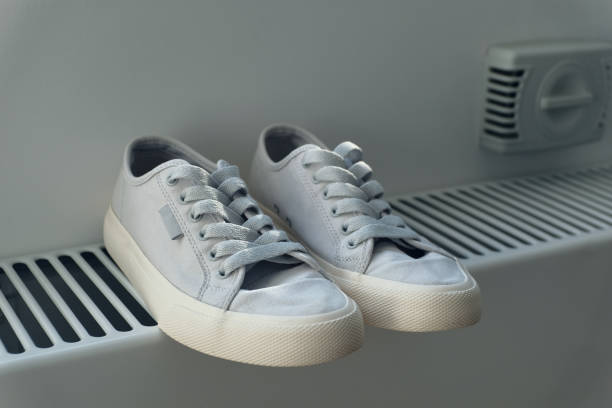
High-tops and low-tops change the visual line of an outfit more than most sneaker lovers expect. A high-top wraps the ankle and adds visual weight near the hem; a low-top opens the ankle and keeps attention on the shoe’s profile. Styling them well is less about following rules and more about managing proportion, volume, and the points where fabric meets footwear. The right pairing makes the sneaker feel intentional. The wrong one can make legs look shorter, ankles look crowded, or an otherwise clean outfit feel top-heavy.
Start with hemlines. High-tops work best when the pant or skirt hem gives them breathing room. A cropped wide-leg pant, a straight-leg jean that ends just above the ankle, or a midi skirt with a slit can show enough skin or sock to separate the shoe from the fabric. If a long, loose pant pools over a high-top, the ankle disappears and the silhouette can look bulky. For a sharper line, try a tapered jogger or a slim straight pant that stops at the top of the shoe. The goal is not to expose the whole ankle but to create a visible transition. A low-top is more forgiving with longer hems because the exposed ankle keeps the outfit from feeling weighed down. Cropped jeans, tailored trousers, and maxi skirts all pair naturally with low-tops, though a very long, wide hem can still swallow a slim low-profile shoe.
Volume matters as much as length. High-tops have more visual mass, so they balance wide-leg trousers, oversized shorts, and layered streetwear. A chunky high-top can support a heavy denim jacket or a boxy tee. A sleeker high-top, such as a canvas basketball silhouette, works with straight-leg denim and simple knitwear. Low-tops are often lighter, so they suit slim jeans, tailored shorts, slip dresses, and clean minimal outfits. That does not mean low-tops cannot handle volume; a platform low-top or a retro runner can anchor wide pants. The key is matching the shoe’s weight to the outfit’s weight, not simply its height.
Socks are a styling tool. With high-tops, a crew sock that peeks above the collar can add color and make the ankle transition deliberate. A no-show sock keeps the look cleaner and more streamlined. With low-tops, socks become more visible, so choose them intentionally: a crisp white crew sock for a sporty look, a fine ribbed sock for a preppy outfit, or a hidden sock for a bare-ankle effect. Sock color can also extend the leg line. Matching tights or socks to the shoe or to the pant creates continuity, while contrast socks draw attention to the ankle.
Dresses and skirts offer some of the most expressive high-top and low-top styling. A high-top with a mini skirt creates a playful, grounded balance, especially when the skirt has a little volume. A low-top with a flowing midi dress keeps the look airy and easy. For longer skirts, high-tops can work when the hem is slightly shorter or has movement that reveals the ankle; otherwise, the shoe may feel hidden. A low-top generally gives long dresses more lightness because the ankle remains open.
Color and material also shape perception. A high-top in the same tone as the pants or tights lengthens the leg line by reducing contrast at the ankle. A bold high-top becomes a focal point, so keep the rest of the outfit simpler or repeat the color elsewhere. Low-tops in neutral leather or canvas disappear into minimal outfits, while colorful low-tops can energize relaxed denim. Suede high-tops feel richer and more autumnal; canvas low-tops feel casual and warm-weather ready.
Finally, consider the occasion and the desired attitude. High-tops read youthful, protective, and streetwise. Low-tops read relaxed, versatile, and clean. Neither is inherently better. The best styling comes from checking the mirror at the ankle: Is there a clear transition? Does the shoe’s weight match the clothes? Does the hem create the leg line you want? Once those proportions are balanced, high-tops and low-tops stop competing with an outfit and start completing it.