Transitioning Athleisure Sneakers from Summer Heat to Autumn Layers
As temperatures begin to shift, the sneaker wardrobe needs a measured recalibration rather than a complete overhaul. Summer athleisure leans on breathable mesh, light foam midsoles, low-profile silhouettes, and bright color pops that match long daylight hours and relaxed outdoor routines. Autumn asks for more depth, texture, and protection without sacrificing the comfort that makes athleisure wearable from morning errands to evening walks. The most effective seasonal transition happens through small material and styling adjustments: swapping open-weave uppers for denser knits, adding moisture-managed socks, choosing earth-toned accents, and pairing sneakers with layered essentials that bridge warm afternoons and cool evenings. The goal is not to abandon summer’s ease but to translate it into a wardrobe that feels grounded, practical, and quietly polished as the season changes.
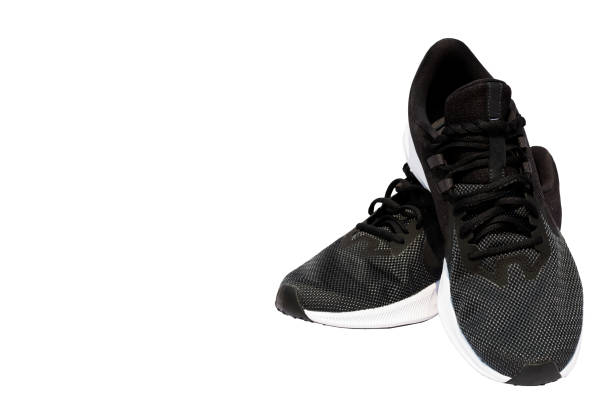
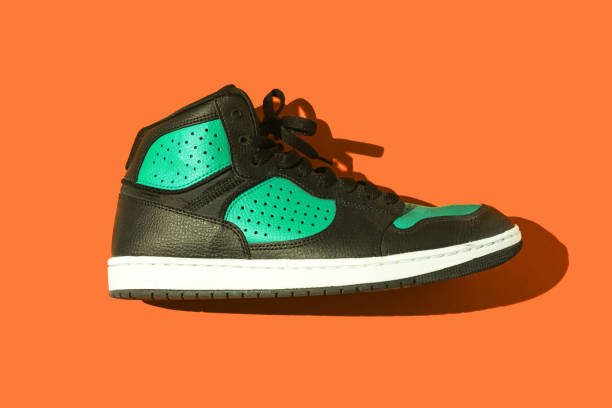
Footwear materials do much of the transitional work. A summer sneaker often relies on ventilation above all else, with engineered mesh panels and thin linings that keep feet cool during heat and high activity. In early autumn, those same qualities remain useful during daytime, but early mornings and late evenings call for a little more coverage. Dense knit uppers, suede overlays, tumbled leather panels, and water-repellent finishes add structure and warmth without turning the shoe into a boot. A low-top silhouette in a neutral suede or a retro runner with layered mesh and synthetic overlays can move easily between seasons. The key is to avoid overly insulated designs too soon; breathability still matters when athleisure outfits are worn indoors, on public transport, or during brisk walks that generate heat. A sneaker that manages moisture while offering light weather resistance is the most versatile bridge piece.
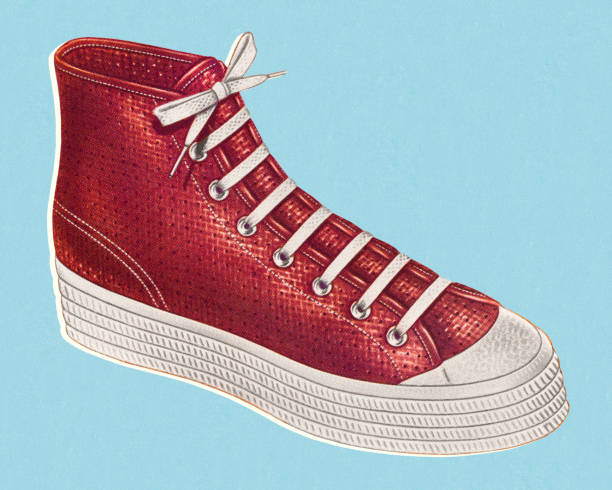
Color and texture shift more dramatically than construction. Summer palettes often favor white, cream, pastel, and high-visibility accents that feel crisp against bare ankles and lightweight shorts. Autumn introduces olive, rust, chocolate, charcoal, taupe, and muted burgundy, but these shades work best when they retain a sporty edge. A cream-based sneaker with gum soles can carry summer brightness into fall, while a shadow-gray runner with mesh and suede layers feels seasonally appropriate without becoming heavy. Texture becomes a styling tool: smooth leather looks cleaner for city athleisure, hairy suede adds warmth to casual outfits, and ripstop or nylon panels echo technical outerwear. Mixing textures in one sneaker keeps the look interesting when outfits become more layered and tonal.
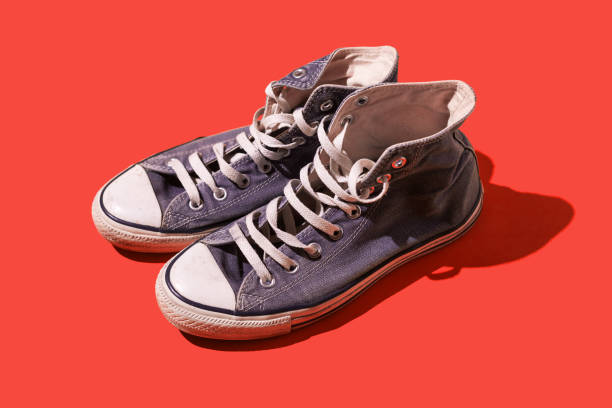
Layering changes the visual weight of athleisure, and sneakers should balance that shift. Summer outfits often rely on one or two pieces: shorts and a tank, a light tee and leggings, a breezy dress and low socks. Autumn introduces crew socks, joggers, fitted hoodies, quilted vests, oversized sweaters, and lightweight jackets. A chunky sneaker can anchor wide-leg joggers and heavier knits, while a slim retro runner keeps layered looks from feeling bottom-heavy. Sock styling is especially useful: ribbed crew socks in cream or oatmeal soften the transition, while dark socks create a cleaner line with charcoal leggings and black joggers. For a more polished athleisure look, tonal dressing works well—matching sneaker accents to a hoodie, vest, or cap creates intention without requiring formal coordination. The outfit should still look ready for movement, even when it is built for commuting, coffee runs, or weekend travel.
Weather awareness matters, but practical protection should not overwhelm the aesthetic. Light rain and damp pavements call for outsoles with reliable traction and uppers that resist splashes. A sneaker with a treated suede or synthetic upper can handle urban autumn conditions, while a mesh-heavy summer pair may be better reserved for dry days. Care routines also shift: brushing suede after wear, wiping leather and synthetic panels, and allowing shoes to air-dry away from direct heat preserves shape and color. Rotating two or three pairs prevents daily wear from shortening their lifespan and makes it easier to match footwear to changing conditions. This rotation can be simple: one breathable neutral pair for mild days, one darker weather-ready pair for wet commutes, and one textured statement pair for social athleisure.
The strongest seasonal transition is ultimately about continuity. Athleisure works because it supports movement and ease, and autumn sneakers should preserve those priorities while adding depth and protection. By adjusting materials, colors, sock choices, and layering proportions, the same comfort-driven wardrobe can evolve naturally from summer brightness into fall richness. The sneaker remains the anchor, but its role becomes more nuanced: less about heat relief alone and more about balancing warmth, texture, and everyday versatility.