Choosing Weatherproof Trail Sneakers for Wet and Rocky Terrain

Weatherproof trail sneakers are not simply ordinary running shoes with a water-resistant label. On wet, rocky terrain, performance depends on how the upper, membrane, outsole, and fit work together. A shoe that keeps rain out but traps sweat can become uncomfortable on a long climb, while an aggressive outsole paired with a flexible upper may still slip on mossy rock. The best choice balances protection, breathability, traction, and support for the specific conditions a hiker expects to meet.
The upper is the first defense. Tightly woven synthetic fabrics, treated leathers, and reinforced toe caps shed light rain and resist abrasion from scree and branches. Waterproof membranes such as ePTFE liners can block liquid water while allowing some vapor to escape, but no membrane is fully breathable. In cool, wet weather, a membrane is useful; in warm, humid conditions, it can make feet clammy. Hikers who frequently cross shallow streams should consider quick-draining trail shoes rather than fully waterproof models, because once water enters over the collar, a waterproof shoe may hold it in. For most mixed trails, a water-resistant upper with sealed seams and a modest membrane offers a practical compromise.
Traction is equally important. Wet rock, roots, and mud demand a sticky rubber compound with multidirectional lugs. Deep, widely spaced lugs clear mud, while smaller, flatter lugs grip smooth rock better. A pronounced heel brake helps on steep descents, and a slightly rounded toe allows the foot to roll over obstacles. The outsole should extend around the toe for protection and wrap up the sides for stability on uneven ground. On rocky trails, a rock plate under the forefoot shields the foot from sharp stones without making the shoe stiff. Flexibility in the forefoot keeps the shoe natural on smoother sections, but too much flex can reduce control on technical terrain.
Fit determines whether these features matter. A weatherproof trail sneaker should have a secure heel, a roomy but not loose toe box, and enough volume for thicker socks or swollen feet. The lacing system should allow separate adjustment at the midfoot and ankle, and a gusseted tongue keeps debris and water out. Hikers should test shoes on an incline and a decline, since toes that jam forward on descents can cause blisters. A half-size larger than a street shoe is common for hiking, but the heel must remain locked. In wet conditions, seam placement matters: ridges or overlays that press against the foot can cause friction when socks dampen.
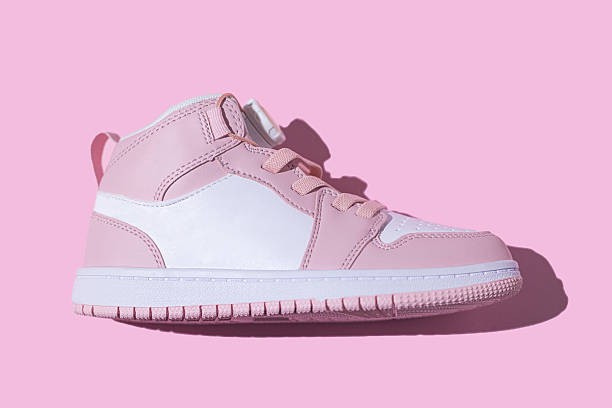
Support and weight require honest trade-offs. High-cut weatherproof sneakers offer more ankle coverage and keep splashes out, but they can feel restrictive. Low-cut trail sneakers are lighter and cooler, yet they expose ankles to rocks and debris. For day hikes on maintained trails, a low-cut shoe with a stable heel counter and a moderately stiff midsole may be enough. For scrambles or loaded packs, more structure helps. Cushioning should be responsive rather than overly soft, because soft foam can feel unstable on rocky ground. Weight matters over long distances, but saving a few ounces should not come at the cost of protection or a secure fit.
Maintenance extends performance. Mud should be rinsed off before it dries in the lugs, and shoes should air-dry away from direct heat. Membranes and water-repellent treatments gradually wear, so periodic cleaning and reapplication of a suitable spray can restore shedding. Footbeds should be removed and dried separately, and insoles replaced when compressed. Hikers should rotate shoes on multi-day trips if possible, giving each pair time to dry and recover. Store them loosely packed so air can circulate, and avoid leaving them in a hot car, where adhesives and membranes can degrade. A small investment in care keeps waterproofing reliable across seasons.
Finally, conditions should guide the choice. A wet winter trail may call for a waterproof upper, sticky rubber, and a rock plate. A summer creek hike may favor drainage, breathability, and quick-drying mesh. The ideal weatherproof trail sneaker is not the one with the most technology, but the one whose protection, grip, fit, and weight match the terrain and weather ahead. Choosing with these variables in mind makes wet trails safer, more enjoyable, and more comfortable while keeping each step confident overall.