When Expert Reviews and Community Ratings Disagree: A Practical Guide to Sneaker Performance
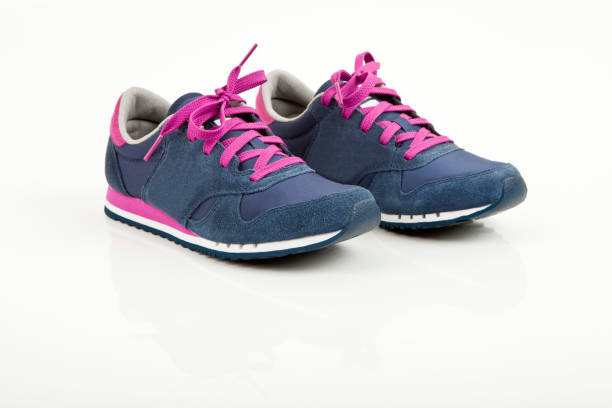
A sneaker’s performance story rarely fits inside a single score. Expert reviewers can test traction on standardized surfaces, measure cushioning with lab equipment, and repeat cutting drills until a shoe’s stability profile becomes clear. Community ratings, meanwhile, arrive from thousands of wearers who play in different conditions, use different foot shapes, and expect different things from a shoe. The tension between these two voices is not a flaw in sneaker evaluation; it is the most useful part of it. The real question is not which source is right, but how each source earns its authority and where their conclusions overlap.
Expert opinions carry weight because they reduce variables. A reviewer who tests on clean hardwood, dusty courts, and outdoor asphalt can describe how a rubber compound behaves as conditions change. A reviewer who measures heel-to-toe drop, torsional rigidity, and energy return gives buyers a vocabulary for comparing models that look similar in photographs. Expert testing also exposes mechanisms behind subjective impressions. A shoe may feel mushy because the foam is soft, because the outsole lacks structure, or because the upper allows the foot to slide. Good performance testing distinguishes among those causes instead of treating feel as a single blur. This is especially valuable in categories where small design shifts matter, such as basketball shoes built for lateral containment or running shoes tuned for tempo efforts.
Community ratings answer a different question. They show how a product behaves after the honeymoon period, across many body types, skill levels, and use cases. A single expert may not experience a sizing quirk that affects hundreds of buyers, but a cluster of reviews mentioning heel slip or a narrow toe box will reveal it. Community feedback can also flag quality control problems, premature outsole wear, or a break-in period that changes the shoe’s character after two weeks. Ratings are noisier, but noise can be informative. A product with a high average and a small number of reviews tells a different story than one with the same average across a large, active community. Distribution matters as much as the headline number. A five-star average built mostly from first-week impressions should be read differently from a slightly lower average with detailed comments about durability after months of use.
Disagreement often comes from context. Experts may test a shoe on pristine courts and judge traction highly; community members who play on dusty surfaces may find the same compound unpredictable. A reviewer with a neutral gait may praise a stable platform, while wearers with wider feet or heavier builds may feel pressure points. Price changes the verdict too. A shoe that performs well at full retail may disappoint at a premium, while a discounted model can earn stronger community ratings because expectations shift. Hype introduces another distortion: ratings can spike after a launch and settle once novelty fades. Experts are not immune to bias either, since personal preferences, limited sample sizes, and testing conditions can shape conclusions.
The most reliable approach is triangulation. Treat expert reviews as a baseline for construction, mechanics, and repeatable performance traits. Treat community ratings as a longitudinal survey of fit, durability, and real-world satisfaction. Look for convergence first: when experts and wearers agree on traction, support, and value, confidence should rise. Then examine divergence for clues. Repeated complaints about a specific pressure point may matter more to a buyer than a lab score. A lone negative review is less useful than a pattern. A professional test that identifies a design cause can explain a community complaint and make the feedback actionable.
Buyers should also match the source to the decision. For competitive performance, prioritize testing that mirrors their sport, surface, and intensity. For daily wear and long-term value, prioritize community reports that stretch over months. The best sneaker review does not crown a universal winner. It maps strengths, limits, and conditions so readers can decide whether a shoe’s tradeoffs fit their feet, their game, and their budget.