
Comprehensive Guide to Sneaker Types
Court Shoes: Tennis, Pickleball and Volleyball
Frequently asked questions
How does sustainable manufacturing differ from conventional sneaker production?
Sustainable manufacturing focuses on reducing energy and water usage, utilizing renewable energy sources (like solar or wind power), and minimizing waste through circular design principles. It often involves ethical labor practices and localized production to cut carbon emissions from transportation. This contrasts with conventional methods, which are typically energy-intensive, generate significant landfill waste from off-cuts, and rely on long, global supply chains. The goal is a holistic reduction of the sneaker’s entire carbon and environmental footprint from factory to finish.
How does it connect me to sneaker collector culture?
The site connects you to collector culture by highlighting collaborative releases, limited-edition drops, and the resale market for iconic models. It explores communities and events, fostering a sense of belonging. For training shoes, this might cover sought-after retro performance models or artist-brand collaborations that blend collectibility with function.
Why is board feel so crucial for skate shoes?
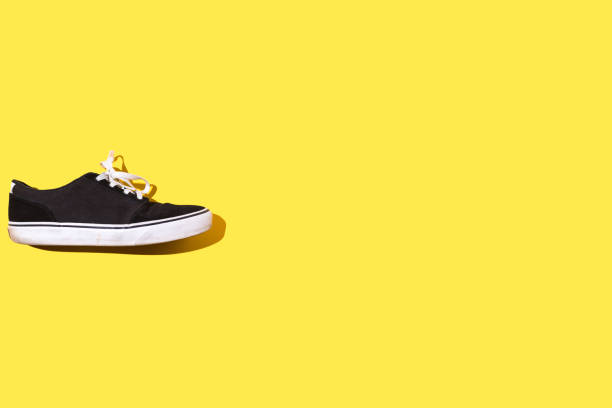
Board feel refers to the direct sensory connection between a skater’s foot and the skateboard deck. It’s crucial for precise control during flip tricks, accurate foot placement, and maintaining balance. Skate shoes achieve this primarily through thin, flat soles—especially vulcanized construction—that allow the foot to intimately sense the board’s edges and concaves. This heightened sensitivity enables skaters to execute complex maneuvers by “feeling” the board’s position, making it a non-negotiable feature for performance over bulky, cushioned soles that create a disconnected, unstable experience.
How does the site address sneaker care and maintenance?
Care guides provide step-by-step instructions for cleaning, protecting, and storing sneakers to preserve their condition and value. They cover different materials like leather, suede, mesh, and knit, recommending specific cleaning products and techniques. Topics also include preventing yellowing on midsoles, dealing with stains, proper storage solutions to prevent creasing and degradation, and when to seek professional restoration services for valuable collectibles.
Which Brands Lead in Performance Training Footwear?
Nike, with its Metcon line, and Reebok, with the iconic Nano series, are historic leaders in dedicated cross-training. Adidas also offers strong contenders like the Dropset Trainer. For a more minimalist, barefoot-style approach, brands like NOBULL and Vivobarefoot are popular. Innovators like ON are entering the space with models like the Cloud X. The best brand often depends on individual foot shape and workout focus, but these brands consistently deliver the durability, stability, and performance needed for high-intensity, varied training regimens.