Everyday Comfort and Style: Choosing Casual Sneakers for Daily Wear
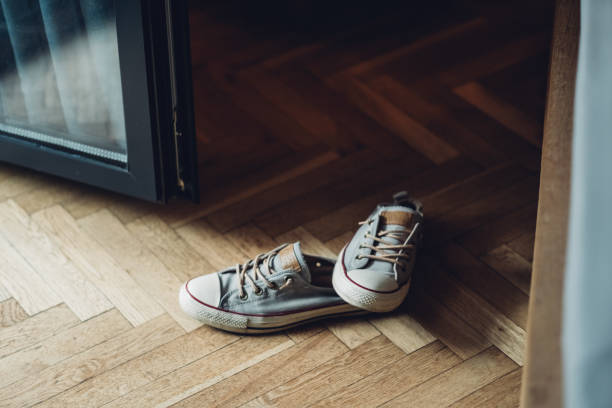
Casual sneakers have become the default footwear for modern life. They carry people through commutes, errands, office days, travel, and weekend gatherings without demanding attention. That versatility is precisely why choosing the right pair matters. A lifestyle sneaker must do more than look good in a product photo. It has to support the foot over long hours, complement a range of outfits, and hold up against repeated wear. The best everyday pair often disappears on the foot, offering quiet comfort while adding a finishing touch to personal style.
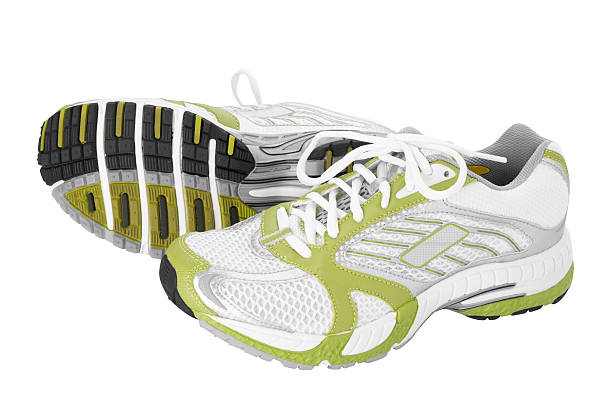
Cushioning is the foundation of comfort. Midsoles made from EVA, polyurethane, thermoplastic polyurethane, gel, or air units each create a different ride. Soft foams feel plush at first step, but excessive softness can cause instability during longer walks. Firmer foams may feel less immediately luxurious, yet they often provide better support and durability. Stack height also shapes the experience. A lower profile gives a grounded, flexible feel that suits city walking and driving. A higher stack absorbs impact and reduces fatigue on concrete, though it can feel less connected. Heel-to-toe drop influences posture and calf engagement, so trying multiple options reveals what the body prefers.
Upper materials determine breathability, structure, and maintenance. Full-grain leather resists moisture and develops character, but it needs care and can feel stiff. Suede offers soft texture and rich color, though rain and stains require attention. Engineered mesh and knit uppers move with the foot and allow air to circulate, making them excellent for warm weather and long wear. Canvas remains lightweight and affordable but offers less padding and weather protection. Collar padding, tongue thickness, and heel counters subtly affect comfort. A well-padded heel can prevent slipping, while an overly stiff counter may irritate the Achilles.
Fit deserves patience. Feet swell during the day, so shopping in the afternoon or evening gives a more accurate sense of length and width. There should be roughly a thumb’s width between the longest toe and the front of the shoe. A roomy toe box allows toes to splay naturally, reducing pressure and blisters. Wide-footed wearers should seek brands and models that offer multiple widths or generous uppers. Lacing systems matter too. Flat laces distribute pressure evenly, while elastic or toggle systems add convenience. Removable insoles can accommodate orthotics or upgrade cushioning. Heel slip, toe rub, and pinching will not improve simply because a sneaker is fashionable.
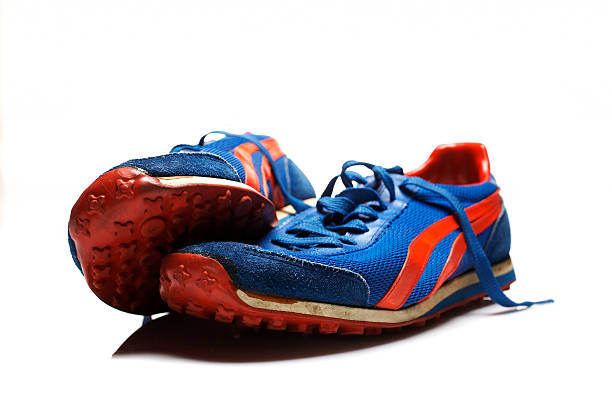
Style and comfort are not opposites. Neutral colorways in white, black, grey, cream, navy, and olive pair with nearly everything. Silhouette matters as much as color. Low-top court shoes look clean with tailored trousers and denim. Retro runners add sporty energy to casual outfits. Chunky sneakers balance wide-leg pants and oversized layers, while slim profiles suit fitted clothing. High-tops provide ankle coverage and a stronger statement. Texture can elevate an outfit: smooth leather feels polished, suede adds warmth, and mesh introduces technical detail. The goal is a shoe that supports the wardrobe rather than competing with it.
Everyday sneakers also require maintenance. Rotating two or three pairs gives foam time to recover and reduces odor. Brushing suede, wiping leather, and spot-cleaning mesh preserve appearance. Insoles can be replaced to extend comfort. Most sneakers last roughly three hundred to five hundred miles of walking, depending on weight, gait, and surface. Worn-out tread and compressed foam increase strain on knees, hips, and back. Choosing durable materials and classic designs improves cost per wear and reduces waste. Repairing scuffs, restitching, and re-lacing are small habits that keep favorite pairs in service.
Sneaker culture has made everyday footwear expressive. A pair can signal nostalgia, ambition, minimalism, or playfulness. Performance innovations once reserved for athletes now shape lifestyle models, bringing energy return, stability, and lightness to daily wear. Yet trends should never override fit. The most stylish sneaker is one that allows natural movement, supports the arch, and feels good after hours on foot. When comfort and design align, the result is more than footwear. It is a reliable companion for ordinary days, turning routine steps into something easier and more confident. The right pair does not need to shout; it simply needs to work. That is everyday style at its best.
Articles