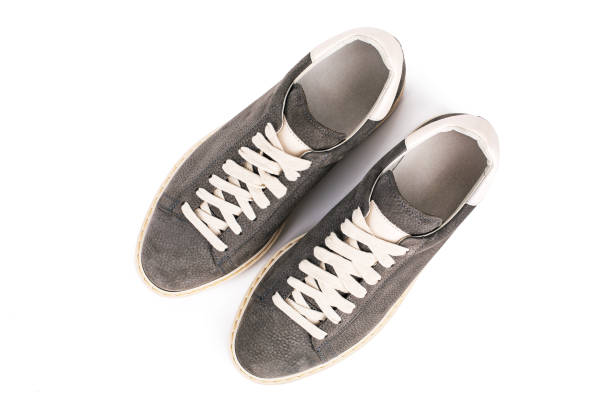
Freshness Rescue for Well-Worn Sneakers: Effective Deodorizing Methods That Work
Odor in well-worn sneakers rarely comes from a single source. Sweat, dead skin cells, lint, and microscopic bacteria collect in the lining, tongue, and insole, where warmth and moisture create a perfect environment for odor-causing microbes. The goal of deodorizing is not to mask the smell with fragrance but to remove the conditions that allow it to return. A successful routine combines moisture control, targeted cleaning, and materials that absorb or neutralize odor. For pairs that have been worn through long commutes, gym sessions, or rainy days, a deeper approach is often necessary before freshness can be restored.
The process begins by emptying and airing the shoes. Remove the insoles and laces so air can reach every surface. Loosen the tongue and open the shoe as wide as possible, then place the pair in a dry, shaded space with good airflow. Avoid sealing damp sneakers in a bag or closet, because trapped moisture encourages bacterial growth. If the shoes are visibly dirty, brush away loose dust and debris before treating odor. A soft brush or dry cloth can lift grit from the upper and crevices without grinding it deeper into the fabric.
Baking soda remains one of the most reliable deodorizers for well-worn pairs. It absorbs moisture and neutralizes acidic odor compounds without leaving a heavy perfume. Sprinkle a generous amount inside each shoe, especially in the toe box and heel area, and leave it overnight. In the morning, shake out the powder and vacuum any residue with a brush attachment. For a deeper treatment, place baking soda in a breathable pouch or cotton sock and tuck it into the shoe for several days. Activated charcoal works in a similar way, pulling odors and moisture from the lining, and it can be reused after sitting in sunlight.
White vinegar is useful for tackling stubborn odor on removable insoles and fabric linings. Mix vinegar with water in equal parts, lightly dampen a cloth, and wipe the interior surfaces without soaking them. Vinegar’s acidity helps reduce odor-causing bacteria, but the shoe must dry completely afterward. Rubbing alcohol can be used sparingly on a cotton pad for spot treatment, particularly around the heel and tongue, but it should be avoided on delicate leather or suede. For leather sneakers, use products formulated for leather and allow them to dry away from direct heat. Heat can warp adhesives and crack materials, so sunlight should be used cautiously and briefly rather than as a baking method.
Moisture control is the most important long-term defense. Wear moisture-wicking socks and change them after heavy activity. Allow sneakers to dry fully between wears, and rotate pairs when possible so each shoe has at least a day to air out. Cedar shoe trees or cedar inserts help absorb moisture and leave a subtle, natural scent. A light dusting of foot powder inside the shoe or on the feet can reduce sweat accumulation during the day. For athletes or anyone prone to heavy perspiration, removable insoles should be washed according to the manufacturer’s instructions and replaced when they become compressed or permanently odorous.
Prevention also means understanding when cleaning is not enough. A sneaker that stays damp, develops mildew, or carries odor after repeated treatments may need a professional cleaning or insole replacement. Avoid covering odor with scented sprays, because fragrance combined with bacteria can create a worse smell. Instead, focus on complete drying, absorbent materials, and regular maintenance. A simple weekly routine of airing, powdering, and rotating shoes can prevent small smells from becoming permanent. When deep cleaning is required, use gentle methods, rinse thoroughly, and dry patiently. Freshness in well-worn sneakers is not about making them smell like a new pair; it is about creating a clean, dry environment where odor cannot thrive.