From Banned Shoe to Global Language: The Air Jordan 1 and Michael Jordan’s Cultural Takeover
In 1984, a rookie guard signed with Nike and asked for a shoe that would break the league’s conformity. The result was not merely a basketball sneaker. The Air Jordan 1 arrived in Chicago colors, black and red, and almost immediately collided with the NBA’s uniform policy. The league fined Michael Jordan for wearing a shoe that did not match his team’s white-based footwear, and Nike turned the penalty into a marketing campaign. The narrative that the shoe was banned made it desirable. It transformed a performance product into a symbol of rebellion, individuality, and Black athletic excellence. That moment became the foundation for Jordan Brand’s cultural takeover, proving that a signature shoe could move beyond the hardwood and into music, fashion, art, and everyday identity.
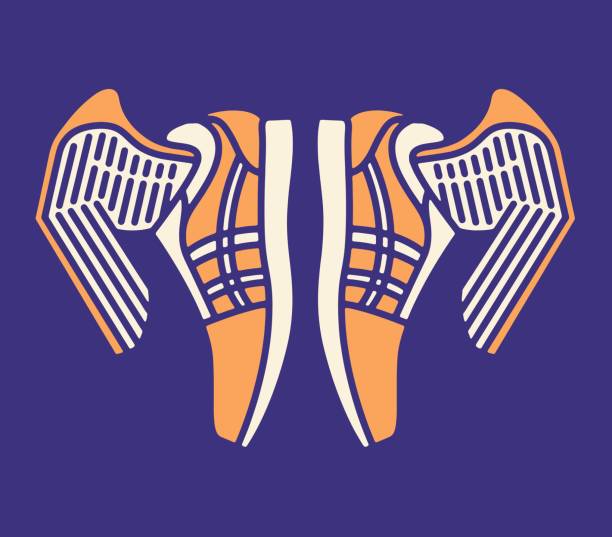
The Air Jordan 1’s design was deceptively simple. Peter Moore combined a high-top leather silhouette with wings logo and swoosh, creating a shoe that looked fast and aggressive. It was not the first basketball shoe, but it was among the first to be marketed around a single player’s personality. Nike did not just sell cushioning or traction; it sold Jordan’s competitive aura. The black and red colorway, later known as Bred, became a visual shorthand for defiance. When the NBA fined Jordan, Nike paid the fines and built an ad campaign around the idea that the league could not stop him. The strategy worked because it aligned with Jordan’s playing style: graceful, relentless, and seemingly immune to pressure. Fans did not just want to play like Mike; they wanted to dress like him, walk like him, and adopt the confidence he projected.
By the late 1980s, the Air Jordan line had become an annual event. Each new model introduced technological advances: visible Air cushioning, patent leather, carbon fiber plates, and bold silhouettes. But the line’s cultural gravity came from more than engineering. Jordan’s rise coincided with the globalization of the NBA, the explosion of hip-hop, and the rise of athlete-driven branding. The shoe appeared in music videos, on playgrounds, and in films. It became a status symbol in cities where access was limited and desire was intense. The threat of violence around sneaker releases revealed how deeply consumer culture, race, class, and aspiration had become tangled. A pair of sneakers could signal taste, income, neighborhood, and allegiance. That is not just commerce. It is cultural language.
Michael Jordan retired and returned, won championships, and became a global icon. Through it all, the Jumpman logo grew into one of the most recognizable marks in sport. Jordan Brand expanded beyond basketball into training, running, and lifestyle categories, yet it never abandoned the origin story. The Air Jordan 1 remained the anchor, endlessly reissued in original and new colorways. Collaborations with designers, musicians, and streetwear labels kept the silhouette relevant to generations who never saw Jordan play. For younger consumers, the shoe’s meaning is layered: it is nostalgia for their parents, a flex for their peers, and a canvas for personal style. The brand’s ability to move between eras without losing its core identity is rare. It has become a template for athlete partnerships, limited drops, and storytelling through product.
The cultural takeover also has a complicated side. Hype can obscure craftsmanship and history. Resale markets can turn passion into speculation. Some critics argue that the endless retro releases dilute the original mystique. Yet the Jordan legacy endures because it was never only about scarcity. It was about excellence, reinvention, and the belief that a single person could change the rules. The Air Jordan 1 began as a basketball shoe with a fine attached. It became a symbol of Black creativity and global cool. It made performance and fashion inseparable. It turned an athlete into a brand and a brand into a worldview. More than three decades later, the shoe still appears on feet in Tokyo, Lagos, Paris, and Chicago. Each pair carries a fragment of the original story: a rookie who refused to blend in, a league that tried to police style, and a company that understood the power of myth. That is why the Air Jordan 1 remains more than a sneaker. It is a document of how sport, commerce, race, and identity can collide, and how one player’s legacy can become a cultural takeover that continues to unfold with every new release and every new generation that laces up.
Articles