How Customer Loyalty Programs Influence Your Raffle Winning Odds
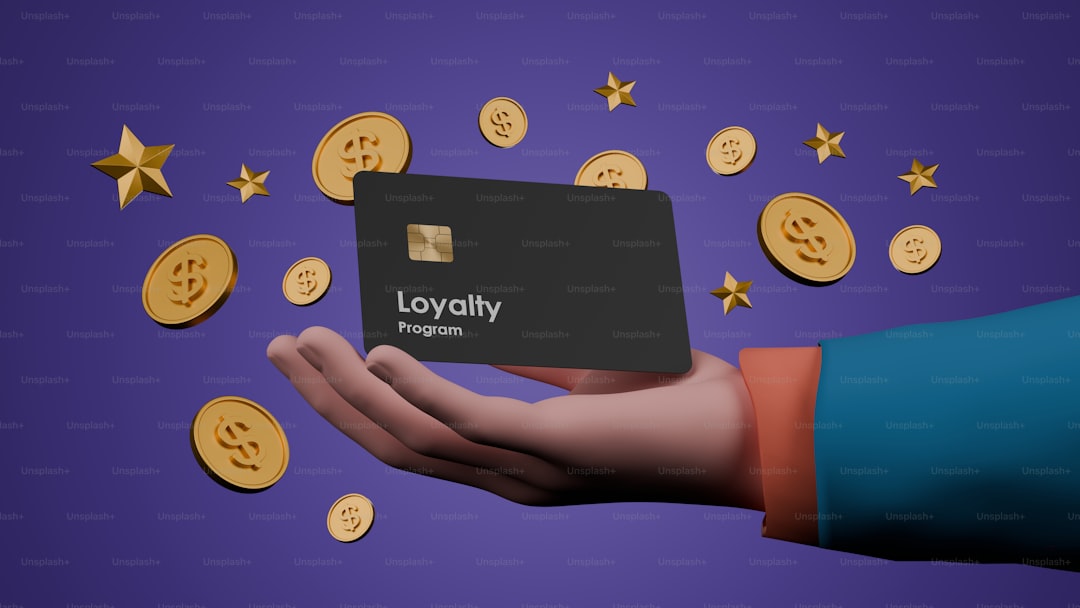
In the competitive landscape of modern commerce, businesses deploy a variety of strategies to attract and retain customers, with loyalty programs and promotional raffles standing as two prominent tactics. While seemingly distinct, these mechanisms are often interwoven, creating a complex relationship where participation in a loyalty program can significantly alter an individual’s chances in an associated raffle. Understanding this dynamic requires an examination of entry mechanics, tiered benefits, and the fundamental mathematics of probability, all of which reveal that loyalty programs do not merely reward past purchases but actively reshape the odds of future windfalls.
At its most basic level, a loyalty program frequently functions as the gateway to raffle participation. Many promotional contests stipulate that entry is contingent upon being a member of the company’s free rewards club. This immediately creates a dichotomy: members versus non-members. For the general public, the raffle does not exist; their chance is zero. For the enrolled member, however, a chance is granted. This foundational filter means that loyalty programs control the very pool of potential winners, making membership the primary and most critical factor affecting one’s eligibility. Without that initial loyalty, there is no chance to consider.
Beyond mere eligibility, loyalty programs profoundly affect odds through the accumulation and expenditure of points or through tiered status levels. A common model awards one raffle entry for every purchase or for every certain amount spent. Here, the loyalty program directly translates purchasing behavior into raffle probability. A customer who buys a coffee once a month earns a single entry, while a devoted patron who purchases daily accumulates thirty entries in the same period. This system mathematically advantages the most frequent and highest-spending customers. Their loyalty is quantified and converted into a superior probability of winning, turning the raffle from a game of pure luck into one subtly influenced by consumer commitment and financial investment.
Furthermore, sophisticated loyalty structures with gold, platinum, or elite tiers introduce another layer of advantage. Higher-tier members, achieved through sustained loyalty, may receive bonus entries automatically, gain access to exclusive raffles with fewer participants, or enjoy multipliers that make their points worth more entries. For instance, while a base member might get one entry per dollar spent, an elite member could receive two. This tiered approach creates a stratified probability landscape within the member pool itself. The most loyal customers operate in a statistically enhanced environment, their chances compounded not just by their raw spending but by the augmented value bestowed upon them by their status. This can lead to a cycle where existing loyalty begets more wins, which may reinforce further loyalty, potentially crowding out newer or more casual members from major prizes.
However, this manipulation of odds is not a clandestine operation but a transparent and strategic business calculation. Companies leverage this link to drive the specific behaviors they desire: increased purchase frequency, larger basket sizes, or engagement across multiple product lines. The raffle becomes the glittering incentive, but the loyalty program is the engine that determines who gets closest to it. For the consumer, this means that their raffle chances are not a fixed or random variable offered equally to all. They are a dynamic function of their recorded relationship with the brand. In essence, loyalty programs transform raffles from democratic lotteries into targeted retention tools, where odds are carefully calibrated to reward past behavior and incentivize future spending. The result is a commercial ecosystem where chance is carefully curated, and the house—in this case, the business running both the loyalty scheme and the raffle—always designs the rules to favor its most valuable patrons.
Articles