How Sneakers Became the Cornerstone of Modern Athleisure
The line between the gym and the sidewalk has never been thinner. For decades, sneakers were strictly athletic tools, confined to basketball courts, running tracks, and tennis matches. Yet today, the same footwear that once belonged exclusively to sport has become the undisputed foundation of a global style movement known as athleisure. This shift did not happen overnight. It was driven by a convergence of cultural forces, technological innovation, and a fundamental change in how people view comfort, performance, and self-expression. The sneaker’s ascent to the throne of everyday fashion is not simply a trend but a permanent redefinition of what it means to dress for modern life.
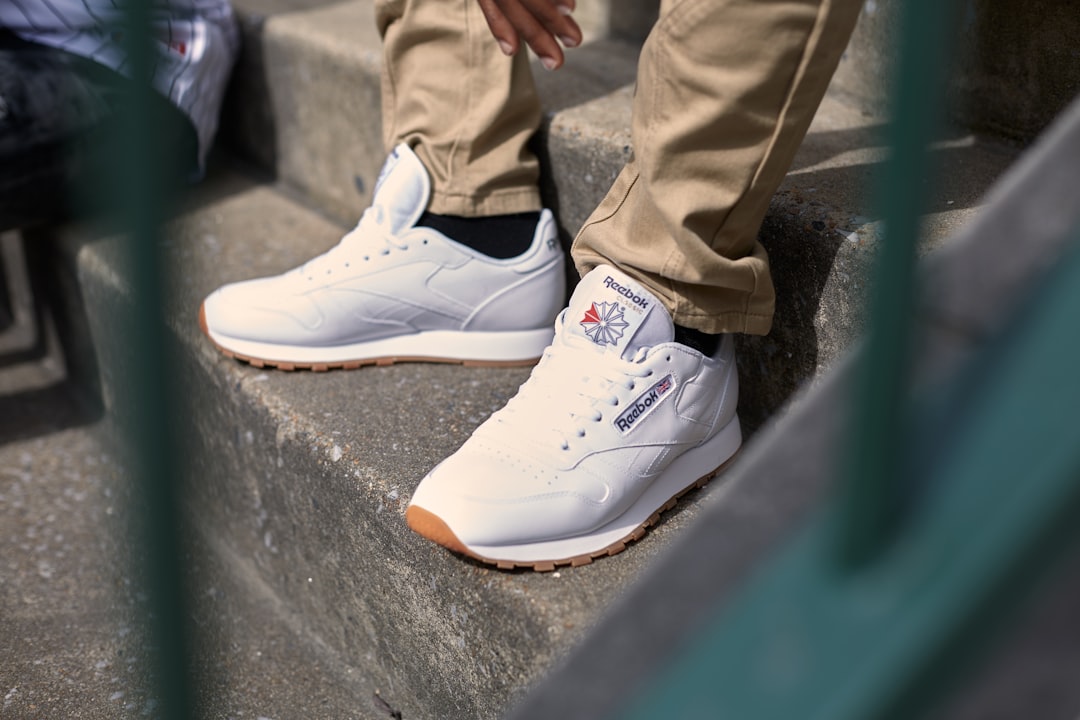
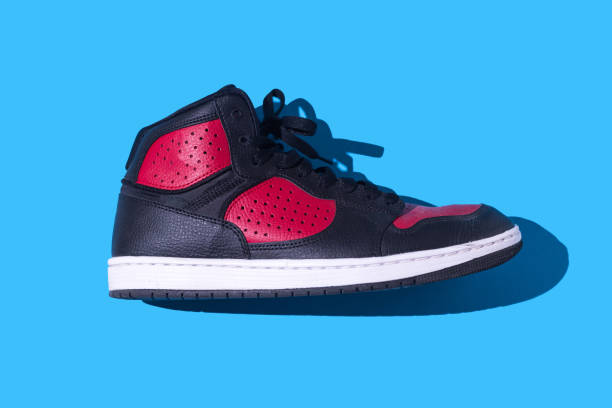
The story begins in the late twentieth century, when sportswear giants like Nike, Adidas, and Reebok began to notice their products appearing off the field. Hip-hop culture in New York City adopted shell-toe Adidas and Air Jordans as symbols of street credibility. At the same time, fitness culture was booming, and wearing workout clothes outside the gym became a marker of an active, aspirational lifestyle. However, these early instances were still niche subcultures. It was not until the early 2010s that athleisure truly crystallized as a mainstream aesthetic, and sneakers were its engine. The rise of luxury fashion houses collaborating with sneaker brands—Kanye West’s Yeezy line with Adidas, the Balenciaga Triple S, and the Gucci Rhyton—blurred the boundary between high fashion and sportswear. Suddenly, a sneaker was not just comfortable; it was a status symbol, a piece of art, and a cultural artifact all at once.
What makes sneakers so uniquely suited to this role is their ability to serve multiple functions simultaneously. A well-designed sneaker offers cushioning and support for the body’s natural movement, making it practical for a commute, a coffee run, or an impromptu walk. Yet it also delivers a visual statement through colorways, silhouettes, and brand logos. This dual identity aligns perfectly with the core philosophy of athleisure: clothing that performs physically while looking intentional. As remote work and flexible schedules became more common, people no longer needed to divide their wardrobes into separate compartments for work, exercise, and leisure. A single outfit—joggers, a hoodie, and a pair of crisp white sneakers—could carry someone from a morning yoga class to a video conference to an evening dinner, with only minor adjustments. The sneaker was the common thread that held this hybrid lifestyle together.
Technology has further cemented the sneaker’s place in the athleisure ecosystem. Advances in foam compounds, knit uppers, and sole geometries have made modern sneakers lighter, more breathable, and more durable than ever before. Brands like Hoka One One, On Running, and New Balance have engineered shoes that offer such exceptional comfort that wearing anything else feels like a compromise. Consumers began to reject the notion that style requires sacrifice. Why wear stiff leather loafers when a sleek black sneaker can provide the same level of polish while cradling your feet in plush foam? This pragmatic mindset, combined with a cultural shift toward wellness and self-care, made sneakers not just acceptable but desirable for nearly every context, from casual Fridays at the office to airport travel to date nights.
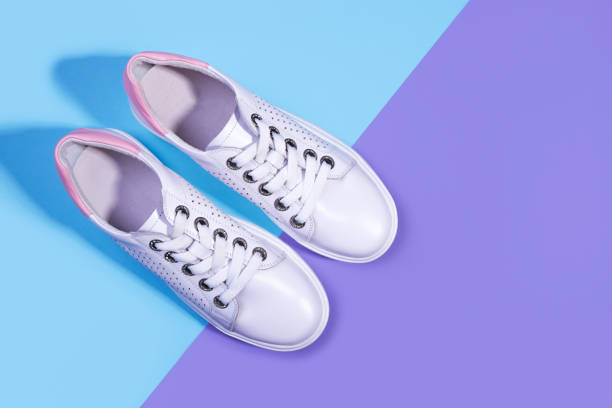
The athleisure aesthetic also thrives on the idea of effortless cool. Sneakers, by their very nature, lower the formality of an outfit. Pair them with tailored trousers and a blazer, and the result is a studied nonchalance that suggests confidence without rigidity. Pair them with a dress or skirt, and the juxtaposition of feminine and sporty creates visual intrigue. Stylists and influencers have mastered this balancing act, showing that sneakers can anchor a look without overwhelming it. The key lies in the details: a minimalist all-white sneaker keeps the focus on the silhouette, while a chunky dad sneaker adds texture and volume. Each choice sends a different message, but all reinforce the same principle—that comfort and style are not opposing forces.
Sustainability has also played a role in the sneaker’s dominance within athleisure. As consumers become more conscious of their purchasing habits, they seek products that last and serve multiple purposes. A high-quality sneaker can be worn for years, across seasons, and for countless activities. It is an investment piece that transcends fleeting trends. Brands have responded with initiatives like vegan leathers, recycled materials, and regenerative supply chains, further aligning sneakers with the values of the thoughtful modern shopper. In this context, choosing a sneaker over a less versatile shoe becomes both a practical and ethical decision.
Ultimately, the sneaker’s journey from the gym to the center of everyday style reflects a deeper shift in priorities. People no longer want to choose between looking good and feeling good. The athleisure movement is a declaration that life is too short for uncomfortable shoes, and that personal style should adapt to the demands of real, active living. Sneakers have become the perfect vehicle for this philosophy because they are simultaneously the most functional and the most expressive item in the closet. Whether it is a retro basketball shoe, a sleek performance runner, or a futuristic lifestyle model, the sneaker stands as the literal and metaphorical ground on which modern athleisure is built. Its reign shows no sign of ending—only evolving, as designers continue to push the boundaries of what a shoe can be, and wearers continue to redefine what a day can look like.
Articles