Leather, Suede, Mesh, and Synthetics: How Material Quality Defines Sneaker Performance

Material quality is the silent engine behind every sneaker’s ride. It decides whether a shoe feels plush or plasticky, breathes on a summer commute or turns into a humid chamber, holds shape after a year or collapses at the flex point. In performance testing, leather, suede, mesh, and synthetics affect abrasion resistance, flexibility, breathability, water management, tensile strength, tear propagation, colorfastness, and long-term comfort. Understanding these trade-offs helps collectors and everyday wearers judge a sneaker beyond first impression.
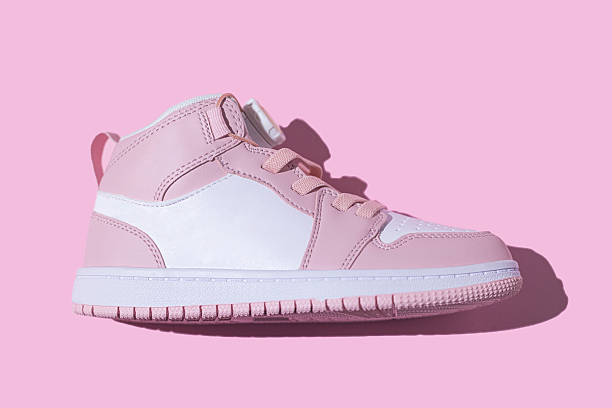
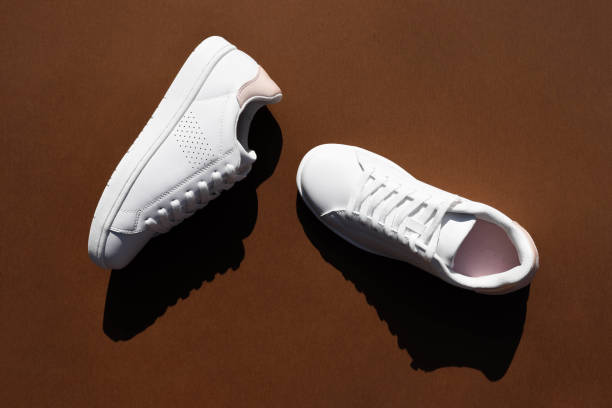
Leather remains the benchmark for premium structure. Full-grain leather, taken from the outer hide, retains dense fiber bundles and a natural surface. It resists abrasion, develops patina, and molds to the foot. In flex testing, leather can crease sharply, but quality hides recover better than corrected-grain or bonded leathers, which may crack or delaminate. Breathability is moderate: leather manages moisture better than coated synthetics, though it is heavier and less ventilated than mesh. Water resistance depends on finish. Aniline leather absorbs water and stains; pigmented or treated leather beads liquid but can feel less supple. Leather earns high marks for support and durability, lower marks for weight and drying speed. Care matters: conditioner preserves oils, while neglect leads to dryness and splitting.
Suede is leather’s softer sibling, created by buffing the inner split to raise a nap. It offers tactile appeal, excellent flexibility, and moderate breathability. The nap gives grip and a plush feel, but it also traps dust and moisture. In wet conditions, suede is vulnerable: water darkens it, raises the grain, and can leave permanent stains if not treated. Abrasion testing often shows suede matting or balding at high-friction zones, especially toe boxes and heels. Its tear strength is generally lower than full-grain leather, though quality suede with dense nap performs better than thin, loose splits. Suede overlays add support without stiffness, making it common in lifestyle and skate-inspired models. However, it demands maintenance—brushing, protecting, and blotting rather than scrubbing—so it suits wearers who accept care as part of ownership.
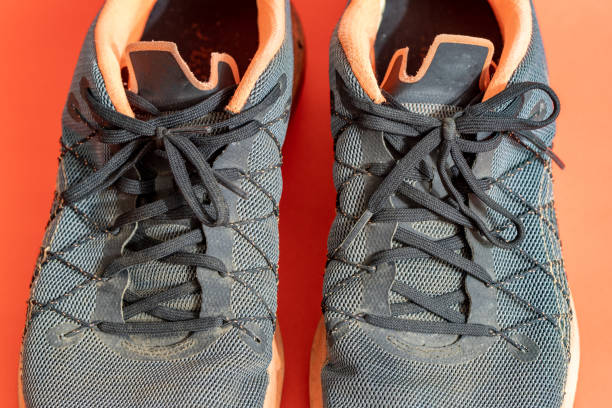
Mesh is the architecture of breathability. Engineered mesh, knit mesh, and monofilament mesh vary widely in density, elasticity, and durability. Open weaves move air and release heat, which is why mesh dominates running, training, and warm-weather footwear. The trade-off is protection. Mesh snags, tears, and stretches; without underlays or reinforcing yarns, it can lose structure. Performance testing measures air permeability and moisture vapor transmission rate to reveal how well a mesh upper cools the foot, while abrasion and tear tests expose weak points. Knit mesh can feel sock-like and adaptive, but it may sag over time and offer less lateral containment. Engineered mesh with zoned densities balances ventilation and strength, using tighter weaves where the foot needs support and open zones where it needs airflow. Mesh dries quickly, but it rarely resists water on its own.
Synthetics cover a broad family: polyurethane, thermoplastic polyurethane, nylon, polyester, PVC, and synthetic leather. They offer consistency, water resistance, easy cleaning, and low cost. High-quality synthetics can be lightweight and strong, with welded overlays that reduce stitching and weight. Yet lower-grade versions crack, yellow, stiffen, or delaminate. Hydrolysis, flex fatigue, UV exposure, and cold-crack tests are essential because synthetic materials may fail suddenly after storage or repeated bending. Breathability is usually poor unless perforated or combined with mesh. Synthetic leather can mimic animal hide, but it often lacks the moldability and aging character of genuine leather. Recycled and bio-based synthetics are improving, though performance varies by formulation and construction.
Most modern sneakers are hybrids. A leather toe cap meets a mesh tongue, suede overlays wrap a synthetic heel, and TPU shanks stabilize foam. Material quality cannot be judged in isolation. Placement matters: high-wear zones need abrasion resistance, flex zones need suppleness, and sweat zones need ventilation. A cheap leather can underperform a premium synthetic; an expensive mesh can fail if it lacks reinforcement. The strongest designs engineer each material for a specific job.
For buyers, the lesson is practical. Court and lifestyle sneakers benefit from leather and suede for structure and character. Running and training shoes favor mesh and engineered synthetics for weight and airflow. All-weather wearers should look for treated leather or coated synthetics, while humid climates reward open mesh and quick-drying liners. Performance testing reveals that no single material wins every category. The best choice depends on purpose, care, and construction. Material quality is a system of fibers, coatings, backings, and assembly that determines how a sneaker feels today and how it survives tomorrow.
Articles