The Foundation of Every Step: Why Understanding Sneaker Construction Matters
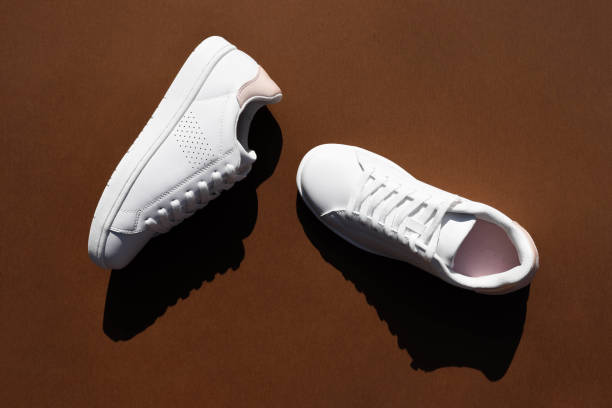
In a world where sneakers have transcended their athletic origins to become cultural icons, symbols of identity, and significant financial investments, the focus often lands on aesthetics, brand legacy, or celebrity endorsements. Yet, beneath the coveted colorways and iconic logos lies a more critical, often overlooked element: construction. Understanding how a sneaker is built is not merely technical knowledge for industry insiders; it is essential for consumers, collectors, and enthusiasts alike, impacting performance, value, comfort, and sustainability.
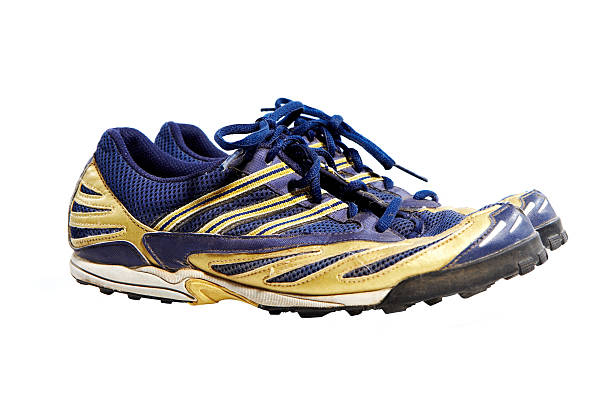
At its most fundamental level, construction dictates function and performance. The way a shoe is assembled directly influences how it interacts with the body and the ground. Consider the difference between a minimalist running shoe, often built with a seamless upper and zero-drop sole for a natural feel, and a high-top basketball sneaker engineered with a locked-down ankle collar, torsional shank, and responsive cushioning system for explosive lateral movements. Understanding these build principles—like the difference between a lightweight, breathable mesh for a marathon trainer versus durable, supportive leather for a skate shoe—allows an individual to make informed choices that align with their physical activities. It transforms a purchase from a stylistic guess into a deliberate selection that can enhance performance and prevent injury. You are not just buying a “running shoe”; you are investing in a specific tool built for a specific purpose.
Beyond performance, comprehension of construction is a powerful tool for assessing quality, durability, and, consequently, value. The method by which the upper is attached to the sole is a prime example. A sneaker built using a cemented construction, where the upper is glued to the midsole, is generally less expensive to produce but can be prone to separation over time. In contrast, a Goodyear welt or Blake stitch construction, techniques borrowed from formal footwear, involves stitching the components together, offering superior durability and often allowing for resoling—a hallmark of longevity. For the collector, recognizing these details can mean the difference between a hype-driven purchase and a wise investment in a pair built to last. It cultivates an appreciation for craftsmanship, moving beyond the brand name to recognize the tangible quality of materials and labor.
This knowledge also fosters a more conscious and sustainable relationship with our possessions. In an era of fast fashion and disposable consumerism, sneakers are frequently discarded. Understanding construction demystifies the product, allowing wearers to identify repairable issues, such as a worn-out insole or a loose stitch, rather than declaring the entire shoe unusable. It encourages maintenance, like knowing which cleaning methods are safe for specific upper materials or when a professional cobbler can extend a shoe’s life. Furthermore, it equips consumers to critically evaluate brand claims about sustainability; one can look beyond marketing to see if a “green” sneaker actually uses recycled materials in its core components or employs construction methods that facilitate disassembly and recycling at the end of its life.
Ultimately, understanding sneaker construction deepens one’s connection to the culture itself. It provides a language to appreciate design innovation, from Nike’s introduction of Air cushioning to Adidas’s Boost technology. It allows one to trace the evolution of the craft, recognizing the significance of a hand-stitched detail on a limited edition or the engineering breakthrough in a new performance model. This insight shifts the perspective from seeing a sneaker as a mere commodity to appreciating it as a feat of design, engineering, and often, artisanal skill. It empowers the wearer, ensuring that every step taken is informed, intentional, and supported by a foundation of true understanding. In a world of endless choices, knowing what lies beneath the surface is the most important step of all.
Articles