Minimalist vs Maximalist Sneakers: How Opposite Style Philosophies Shape Modern Footwear
Sneaker style often begins with a single question: should the shoe whisper or shout? Minimalist and maximalist philosophies answer that question in opposite ways, yet both shape how enthusiasts build outfits, collections, and personal identities. Minimalism favors reduction. It strips away excess logos, clashing colors, and busy overlays until only silhouette, proportion, and material remain. Maximalism does the reverse. It layers textures, amplifies cushioning, multiplies branding, and treats the sneaker as a canvas for storytelling. Neither approach is inherently better.
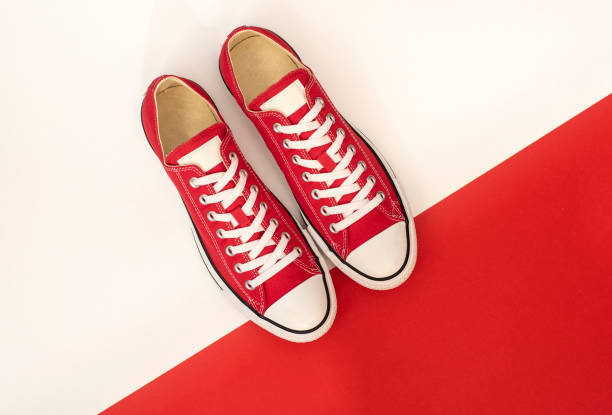
Minimalist sneakers tend to rely on clean lines and restrained palettes. White leather, grey suede, black mesh, and muted earth tones dominate. Branding is subtle or absent. The appeal lies in versatility. A low-profile leather sneaker can move through casual Fridays, gallery openings, and travel days without demanding attention. It complements tailored trousers, raw denim, and monochrome streetwear. Minimalism also suggests confidence. It trusts that shape and quality can carry a look without graphic noise. This impulse connects to quiet luxury, where wealth and taste are signaled through materials and fit rather than logos. For sneaker collectors, minimalism can mean a tightly edited rotation: a handful of pairs that work with nearly everything.
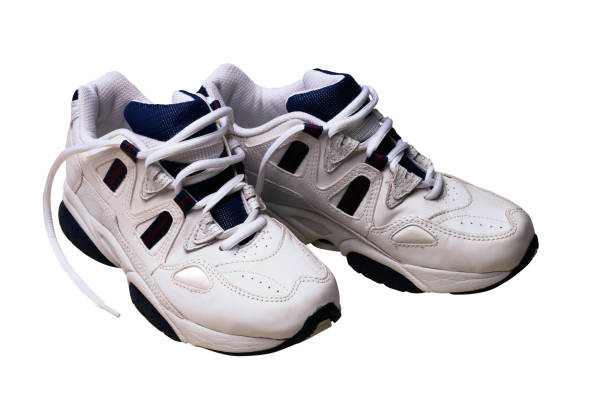
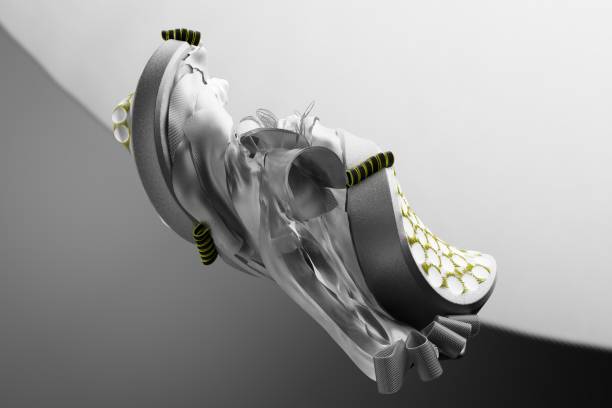
Maximalist sneakers reject that restraint. They embrace chunky soles, mixed-media uppers, neon accents, reflective panels, and oversized branding. They may reference basketball, running, skateboarding, or sci-fi. A maximalist pair can feel like three shoes in one, with cages, straps, air units, and embroidery competing for space. Its purpose is not to blend in but to anchor a look. Wearing a loud sneaker with a simple outfit creates a focal point. Wearing it with equally expressive clothing can create deliberate chaos, though that approach requires a strong eye for color and proportion. Maximalism thrives on nostalgia and novelty. It celebrates the limited edition, the collaboration, and the outlandish colorway that becomes a grail precisely because it refuses subtlety.
The tension between these philosophies is most interesting when it enters the full outfit. A minimalist sneaker can make maximalist clothing feel grounded. If someone wears baggy cargo pants, a graphic hoodie, and layered accessories, a clean white sneaker provides visual rest. Conversely, a maximalist sneaker can energize a minimalist wardrobe. Straight-leg black trousers and a grey crewneck suddenly become fashion-forward when paired with a chunky, color-blocked runner. One loud element is usually enough. Two or three can work only when the wearer intentionally balances scale, color, and texture.
Context matters as well. Minimalist sneakers often suit professional-casual settings, travel, and everyday errands. Maximalist sneakers shine in creative spaces, concerts, streetwear events, and moments when self-expression matters more than blending in. A minimalist shoe in a bold color can be maximalist in effect. A complex silhouette in all black can read as minimalist. The categories overlap because they describe design philosophy, not just appearance. Minimalism is about removing until nothing else is needed. Maximalism is about adding until the shoe tells a complete story.
For collectors, the two philosophies can coexist. A rotation might include a pristine low-top for daily wear, a technical runner for weekends, and an outrageous statement pair for nights when the outfit needs electricity. This balance prevents fatigue. Only minimalism can feel monotonous. Only maximalism can feel exhausting. The most satisfying wardrobes often move between both modes, using restraint and excess as tools rather than identities.
Care and longevity also differ. Minimalist sneakers show scuffs and creases quickly because there is little visual distraction. They reward regular cleaning and careful storage. Maximalist sneakers can hide wear within their busy designs, but their many materials and colors may require specialized cleaning. Neither is low-maintenance. Both demand attention if they are to remain in rotation.
Ultimately, the minimalist versus maximalist debate is not a battle to win. It is a creative spectrum. The best style philosophy is not the purest one but the most self-aware one. Know why a shoe is quiet or loud, what it contributes to an outfit, and whether it reflects the person wearing it. When that awareness is present, opposite philosophies stop competing and start collaborating. The sneaker does not have to whisper or shout. It only has to say something true.