Gender-Inclusive Sneaker Style: How Women Are Rewriting Footwear Fashion
The sneaker landscape has changed dramatically from the days when women’s releases were treated as smaller, pinker versions of men’s models. Today, women are driving demand for the same silhouettes, collaborations, and technical stories that dominate the broader market, while also pushing brands to rethink what “women’s style” actually means. Gender-inclusive sneaker style is not simply about removing labels from shoeboxes. It is about expanding size runs, refining fit, diversifying colorways, and recognizing that personal style rarely fits into a binary category. For many women, the most exciting sneakers are no longer confined to a separate section; they are part of a shared culture that values expression, comfort, and authenticity.
Fit remains the foundation of this shift. Historically, women interested in popular unisex or men’s models had to size down, sometimes compromising on width, arch support, and overall proportions. As demand has grown, more brands have extended small sizes into unisex lines and improved consistency across size charts. This matters because gender-inclusive style only works when the product genuinely serves different bodies. A truly inclusive approach considers heel fit, toe box room, instep height, and the reality that two wearers of the same shoe size may need different shapes. Women are increasingly vocal about these details in reviews and community spaces, and their feedback is shaping how brands design lasts and communicate sizing. The result is a more thoughtful market where style is not sacrificed for fit, and fit is not treated as an afterthought.
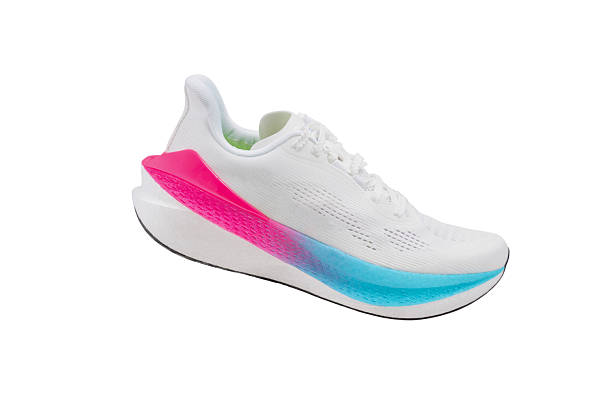
Design language has evolved alongside sizing. The old formula of shrinking a model and adding pastel accents has given way to more nuanced releases: tonal leathers, earth-toned suedes, metallic finishes, clean white lows, retro runners, and chunky soles that read as expressive rather than overtly gendered. Women are mixing these sneakers with tailored trousers, slip dresses, denim, and athletic layers, using footwear as an anchor rather than a category. A low-profile runner can sharpen a relaxed suit, while a substantial trainer can balance a feminine silhouette. This versatility is central to gender-inclusive style because it shifts attention from who a shoe is “for” to how it works within a wardrobe. The most relevant sneakers are those that can move across occasions, seasons, and personal aesthetics without feeling costumed.
Styling has also become more intentional. Women are using sneakers to disrupt traditional dress codes, pairing them with evening pieces, office wear, and carefully layered athleisure. Proportion matters: a streamlined sneaker can keep a voluminous trouser from feeling heavy, while a chunkier model can ground a short hemline or add visual weight to a minimal outfit. Color coordination is no longer tied to matching handbags or “feminine” palettes; instead, wearers are treating sneakers as statement pieces, neutral finishers, or bridges between unexpected tones. This approach reflects a broader cultural shift toward personal style over prescribed rules. Gender-inclusive sneaker fashion does not ask women to dress more like men or to abandon femininity. It asks for options, and it trusts wearers to decide what feels right.
Community and representation are equally important. Women collectors, reviewers, and creators have built spaces where sizing advice, styling ideas, and release information circulate quickly. These communities highlight the difference between performative inclusivity and practical inclusion. A brand can advertise a unisex silhouette, but if it offers limited small sizes, excludes wider feet, or markets only to one body type, the promise remains incomplete. Consumers are increasingly attentive to these gaps, and they reward brands that listen. Inclusive sneaker culture also intersects with size inclusivity, accessibility, and budget, reminding the industry that gender is only one dimension of who gets to participate fully.
The future of sneaker style is likely to be less about separate men’s and women’s categories and more about transparent fit, broad size ranges, and design that invites interpretation. Yet gender-inclusive does not have to mean gender-neutral for everyone; it can mean giving women access to the full spectrum of sneaker design while preserving the fit details they need. The strongest direction is one of choice without limitation, where a sneaker’s value is measured by comfort, quality, and how it helps the wearer feel like themselves. Women are not asking to join the sneaker conversation late. They are rewriting its rules, one considered outfit and one inclusive size run at a time.