Reading the Grain: How Collectors Should Evaluate Unconfirmed Sneaker Spy Shots
Unconfirmed spy shots arrive as blurry camera-roll spills from warehouses, retail stockrooms, and factory floors, and they can shape release chatter before any calendar entry exists. The appetite for early information is powerful because sneaker drops reward preparation, but that same appetite creates room for mislabeled samples, counterfeit renders, and recycled images. The useful response is neither blind belief nor automatic dismissal. Treat every spy shot as a piece of evidence that must earn its place in your release planning.
Provenance matters more than sharpness. A crisp image can be a polished fake, while a grainy photo can come from someone with genuine access. Look for the original poster rather than the tenth repost, then ask what context surrounds the image. Did it appear with a coherent story about a sample sale, a retail delivery, or a production run? Does the account have a history of accurate information, or was it created days before the leak? Reverse-image searches, cropped watermarks, inconsistent lighting, and mismatched backgrounds can reveal an image that has been edited or circulated for years. The central question is not whether the photo looks convincing, but whether the source had a plausible reason and ability to capture that shoe. A screenshot that has lost its original caption is harder to judge, so preserve the full post and note the timestamp before drawing conclusions.
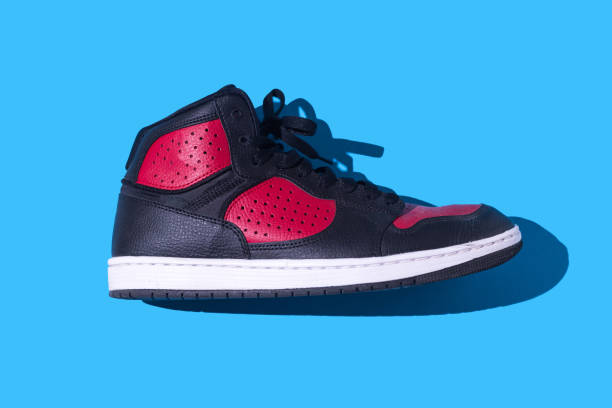
Physical details deserve close inspection, though not blind faith. Stitching density, material texture, color blocking, midsole tooling, logo placement, eyelet shape, and label formatting can all support or undermine a claim. Sample tags and production dates may appear in early photos, and those details can be informative when compared with known release schedules and manufacturing patterns. Yet early samples often differ from final retail pairs, so one inconsistency is not proof of fraud and one matching detail is not proof of authenticity. Spy shots frequently show unfinished pairs, alternate materials, or factory experiments that never reach shelves. Cross-reference the claimed design against previous models, official archives, and multiple angles before assigning confidence. Material close-ups can be especially revealing because counterfeiters often reproduce silhouette before texture, but lighting can distort suede, leather grain, and knit patterns, so compare like with like.
Corroboration separates a rumor from a pattern. A single image is a claim; several independent traces pointing to the same silhouette, colorway, and timing are stronger. Retail listings, SKU codes, shipping records, athlete wear, and boutique whispers can add weight, but they can also create circular reporting. Blogs cite social accounts, aggregators scrape blogs, and repost pages scrub credits until the trail disappears. Trace each detail back to its earliest appearance and ask whether the sources are genuinely independent. Release calendars also shape perception: an empty slot near a holiday or anniversary can make a speculative date feel inevitable. A date repeated without attribution is still unconfirmed, no matter how many times it appears. Watch for “confirmed” language attached to retailer placeholder pages; placeholders are often generated automatically and should not be treated as proof of a final date.
Spy shots also move money and emotion. They can build anticipation, shift resale prices, and influence what collectors prioritize, which gives bad actors a reason to manufacture convincing images or false dates. Check your own bias before sharing. Wanting a favorite model to return can make weak evidence feel decisive, and disliking a colorway can make a legitimate leak seem impossible. The strongest rumors survive skepticism, saved screenshots, and a waiting period. Do not set a budget, preorder, or trade around an unconfirmed image. Follow official announcements, retailer calendars, and verified brand channels as the final word. If a leak feels too convenient, it may be marketing, mischief, or a test balloon, and none of those require an immediate response.
Release culture works better when collectors treat spy shots as intelligence rather than gospel. Use them to anticipate silhouettes and colorways, not to promise a date or authenticate a pair. Label speculation clearly, credit original sources, correct errors, and avoid turning rumor pages into harassment campaigns. When official images finally arrive, compare them with the leak and learn which sources were reliable. That habit builds a personal filter for the next blurry photo and protects collectors from scams dressed as early access.