Reebok’s Fitness Fashion Revolution: The Freestyle, The Pump, and the Birth of the Athletic Lifestyle
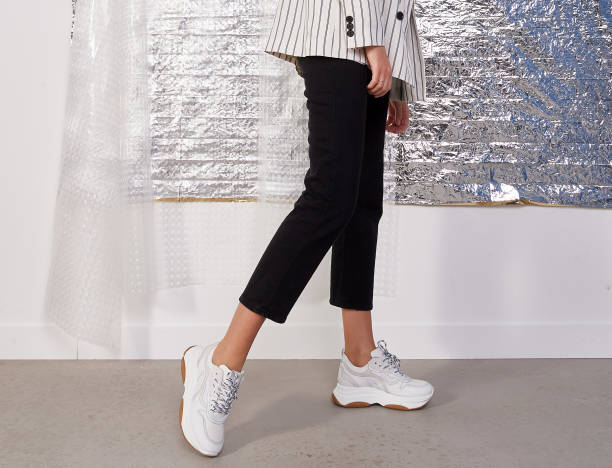
In the early 1980s, a seismic shift in American fitness culture collided with a burgeoning sneaker industry, and at the center of that collision stood Reebok. While brands like Nike and Adidas were locked in a battle over performance running and basketball, Reebok carved out an entirely new territory by aligning itself with the aerobics craze that was sweeping gyms, living rooms, and television screens. This was not merely a marketing strategy; it was a redefinition of what a sneaker could mean. The Freestyle, launched in 1982, became the first athletic shoe designed specifically for women, and it did so by addressing the unique demands of high-impact aerobic dance. Its high-top silhouette, padded ankle collar, and soft leather construction provided the support and flexibility that Jane Fonda–inspired workouts required, but the shoe’s true genius lay in its aesthetics. The Freestyle was available in a range of pastel and neutral colors, making it as much a fashion statement as a fitness tool. Women wore them to the gym, but also to the mall, to brunch, and eventually to the dance floor. The sneaker became a symbol of empowerment, signaling that athleticism and femininity were not mutually exclusive. By 1984, Reebok had surpassed Nike in total sales, largely on the back of the Freestyle’s unprecedented popularity.
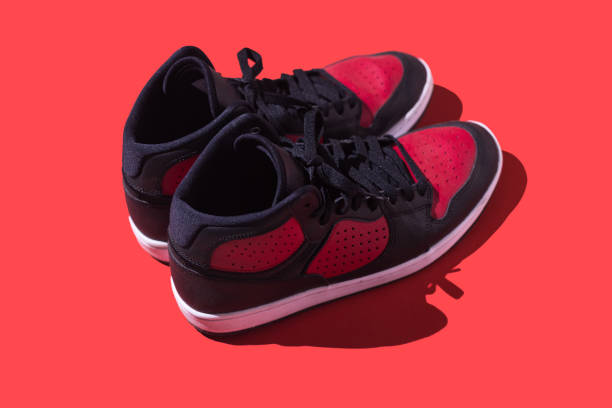
Yet Reebok’s influence did not stop at the women’s fitness aisle. In 1989, the company introduced the Pump, a revolutionary technology that used an internal inflation system to create a custom fit around the wearer’s ankle and instep. The Pump debuted on the basketball court, with NBA star Dee Brown famously pumping his shoes during the 1991 Slam Dunk Contest before executing a blindfolded dunk that became an iconic moment in sports history. The Pump was not just functional; it was theatrical. The visible pump bladder, the plastic inflation bulb on the tongue, and the satisfying hiss of escaping air made every adjustment a ritual. Reebok leaned heavily into the tech-forward spectacle, releasing the Pump in bold colorways and partnering with athletes across basketball, football, and even cycling. The technology represented a leap forward in personalized footwear, predating modern adaptive lacing systems by decades. And like the Freestyle, the Pump transcended its performance origins. It became a status symbol in hip-hop culture, appearing on feet from the Brooklyn boroughs to Los Angeles, often worn loose and unlaced as a deliberate contrast to its high-tech purpose. The Pump was a conversation starter, a piece of wearable engineering that blurred the line between sporting goods and pop culture artifacts.
The convergence of these two innovations—the Freestyle’s embrace of lifestyle fitness and the Pump’s marriage of function and spectacle—cemented Reebok’s role as a pioneer of the athletic fashion movement. Throughout the late 1980s and early 1990s, the brand dominated the sneaker landscape not by chasing the same performance metrics as its rivals, but by understanding that consumers wanted footwear that could transition from the gym to the street without apology. Reebok’s advertising campaigns of the era reflected this shift, featuring athletes and dancers alongside everyday women, all framed as participants in a vibrant, aspirational lifestyle. The Freestyle had democratized fitness fashion, proving that sneakers could be both supportive and stylish. The Pump had introduced an element of wonder and customization that elevated the sneaker from a commodity to a collectors’ item.
But Reebok’s ascendancy was not without challenges. By the mid-1990s, the brand struggled to maintain its momentum as the aerobics trend faded and basketball culture shifted toward brands like Nike and the emerging Air Jordan line. Reebok responded by pushing the Pump into new categories, including cross-training and running, and by signing high-profile endorsements from Shaquille O’Neal and Allen Iverson. Iverson’s Question shoe, released in 1996 with a visible Pump chamber, became a cultural landmark in its own right, bridging the gap between Reebok’s tech heritage and the burgeoning streetwear scene. Yet the brand’s identity remained stubbornly tied to the 1980s boom, and as the new millennium arrived, Reebok receded from the forefront of sneaker culture. That is until the resurgence of retro sneaker trends in the 2010s. The Freestyle and Pump were reissued to widespread acclaim, embraced by a new generation that valued nostalgia, comfort, and the bold aesthetics of the pre–minimalist era. Collaborations with streetwear labels and luxury houses further revitalized these silhouettes, proving that Reebok’s fitness fashion legacy was neither dated nor forgotten.
Today, the Freestyle and the Pump stand as monuments to a period when sneakers ceased to be mere equipment and became expressions of identity. They remind us that the deepest innovation often comes not from solving a problem, but from reimagining what the problem even is. Reebok did not set out to revolutionize fashion; it set out to make women feel comfortable in aerobics class and to make basketball players feel locked into their shoes. In doing so, it accidentally created objects of desire that transcended their original purpose. The Freestyle taught the industry that fitness could be fashionable. The Pump taught it that technology could be theatrical. Together, they built the foundation for the modern athletic lifestyle—a world where the sneakers you wear to the gym are the same sneakers you wear to dinner, and where the line between performance and style has vanished entirely.
Articles