The Anatomy of a Modern Hiking Sneaker: Materials, Traction, and Waterproofing
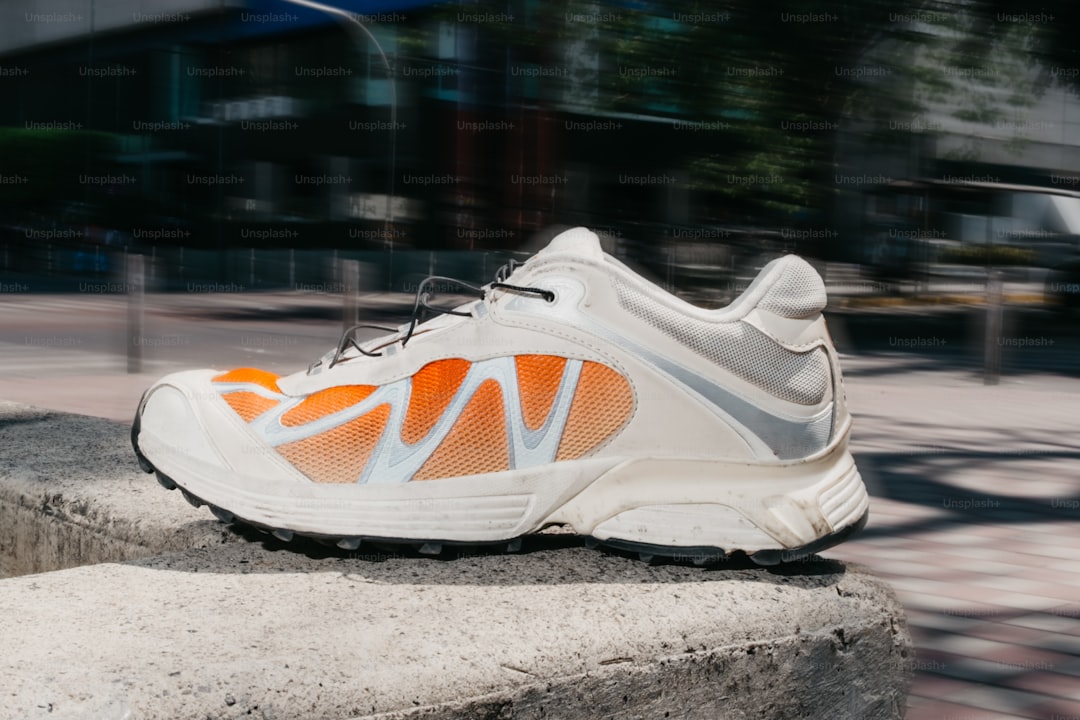
The line between rugged outdoor footwear and everyday street sneakers has blurred considerably in the past decade. Once a specialized niche, hiking sneakers have emerged as a versatile category that appeals not only to serious trail enthusiasts but also to urban explorers who demand durability and weather resistance in their daily rotation. Understanding the anatomy of a modern hiking sneaker requires a closer look at three critical components: the materials that provide structure and breathability, the outsole designs that ensure reliable traction on uneven terrain, and the waterproofing technologies that keep feet dry through streams, mud, and sudden downpours.
The upper of a contemporary hiking sneaker is where the most innovation has occurred. Traditional heavy leather boots gave way to lightweight synthetics, but the current standard involves a carefully engineered combination of mesh, textile, and overlay materials. High-denier nylon and polyester ripstop fabrics form the base, offering abrasion resistance without the weight of full-grain leather. Many brands integrate woven Kevlar or Cordura panels at high-wear zones such as the toe cap and heel counter, providing protection against rocks and roots without restricting flexibility. The mesh itself is often dual-layered: an outer hydrophobic layer that sheds water and debris, and an inner lining that wicks moisture away from the foot. This construction allows the sneaker to remain breathable during strenuous uphill climbs while still offering enough structural integrity to hold the foot securely on descents. Some premium hiking sneakers also incorporate recycled materials, responding to a growing demand for sustainable production without compromising performance.
Beneath the upper lies the midsole, which is arguably the most important element for comfort over long miles. Modern hiking sneakers typically use EVA foam compounds that are denser and more resilient than the soft foams found in running shoes. Brands often blend EVA with polyurethane or add proprietary formulations—such as Nike’s React foam or Adidas’s Boost—to achieve a balance between cushioning and stability. A firmer midsole prevents the foot from sinking too deeply on uneven surfaces, reducing fatigue and minimizing the risk of ankle rolls. Some models feature a rock plate, a thin sheet of plastic or carbon fiber embedded between the midsole and outsole, which protects the forefoot from sharp stones and punctures. The shape of the midsole also matters: a wider platform at the heel and forefoot enhances lateral stability, while a slight heel-to-toe drop (typically eight to twelve millimeters) encourages a more natural walking gait on inclines.
Traction is where hiking sneakers must prove their worth. The outsole is almost always made from a rubber compound, but the specific blend and tread pattern determine how well a sneaker grips wet rock, loose gravel, or packed dirt. Vibram remains the gold standard, with its Megagrip and EcoStep formulations offering exceptional grip on both wet and dry surfaces. Other brands, such as Continental for Adidas or Michelin for some Nike models, have developed proprietary rubbers that excel in specific conditions. The lugs, or tread blocks, should be deep enough—typically four to six millimeters—to bite into soft ground but not so aggressive that they become uncomfortable on hard pavement. Directional lugs at the heel and toe facilitate braking and climbing, while chevron-shaped patterns provide multidirectional grip. A subtle siping, or small slits in the rubber, helps channel water away from the contact patch, reducing hydroplaning on slick surfaces.
Waterproofing is perhaps the most sought-after feature in a hiking sneaker, and the technology has evolved far beyond simple rubberized coatings. The dominant solution is a membrane liner, with Gore-Tex being the most recognized. Gore-Tex works by using a thin film of expanded polytetrafluoroethylene that contains billions of microscopic pores. These pores are about twenty thousand times smaller than a water droplet, preventing liquid water from entering, yet seven hundred times larger than a water vapor molecule, allowing perspiration to escape. This breathability is crucial; without it, feet would become clammy and prone to blisters. Other membranes, such as eVent, Neoshell, and Columbia’s Omni-Tech, employ similar principles but differ in their pore structure and moisture transfer rates. Some brands now offer waterproofing through a DWR (durable water repellent) treatment on the upper fabric combined with a waterproof bootie construction, which eliminates the need for a separate membrane layer. This approach reduces weight and improves flexibility but may not be as durable over the long term. Regardless of the method, a good hiking sneaker will have a gusseted tongue—a tongue attached on both sides to the upper—to prevent water from entering through the lace area, as well as sealed seams and a protective inner collar.
Modern hiking sneakers also incorporate thoughtful design elements that enhance the overall experience. Reinforced eyelets for the laces prevent tearing under tension, and quick-lace systems allow for easy on-and-off adjustment on the trail. A padded ankle collar provides comfort without restricting movement, while a heel cup made from rigid plastic or thermoplastic polyurethane locks the foot in place to prevent heel slip. The toe box should be roomy enough to accommodate foot swelling on long hikes but not so wide that the foot slides forward on descents. Many models now feature a low-profile silhouette that resembles a traditional sneaker, appealing to those who want a shoe that transitions seamlessly from trail to town.
Ultimately, the best hiking sneaker is one that matches the specific demands of the user’s terrain and style. A day hiker on well-maintained paths benefits from a lighter, more flexible model with moderate waterproofing, while a backpacker carrying a heavy load requires a stiffer midsole and more aggressive outsole. The modern hiking sneaker represents a sophisticated compromise between protection and agility, proving that you do not need a heavy boot to tackle the outdoors. As materials continue to advance and brands compete for the perfect balance of weight, durability, and comfort, the hiking sneaker will only become more indispensable for sneaker enthusiasts and trail lovers alike.
Articles