The Archivist’s Playbook: How Collectors, Designers, and Industry Insiders Shape Sneaker Value
Sneaker value is often measured at the point of sale, but it is made much earlier. It begins in a design studio, a locker room, a factory sample room, or a teenager’s memory of a first pair. Designers, collectors, and industry insiders understand that a shoe is never only leather, mesh, rubber, and foam. It is a document of taste, technology, and time. The people who interview, trade, restore, and study sneakers are not simply fans. They are archivists of a culture that moves faster than most museums can collect it. Their work reveals why some models appreciate while others fade, and why the most valuable sneakers are rarely valuable for price alone.
Designers often describe their own archives as living libraries. A vintage runner can teach proportion. An old basketball shoe can show how cushioning changed. A forgotten collaboration can reveal how a brand once spoke to a subculture. When interviewed, many designers reject the idea that retro is merely nostalgia. They argue that reissues succeed only when the story is reactivated. A colorway tied to a championship, a sample linked to a scrapped campaign, or a material choice born from a regional scene gives the shoe a reason to exist beyond the release calendar. The archive is not a vault. It is a conversation between past and present, and designers who listen carefully can move culture forward without simply repeating it.
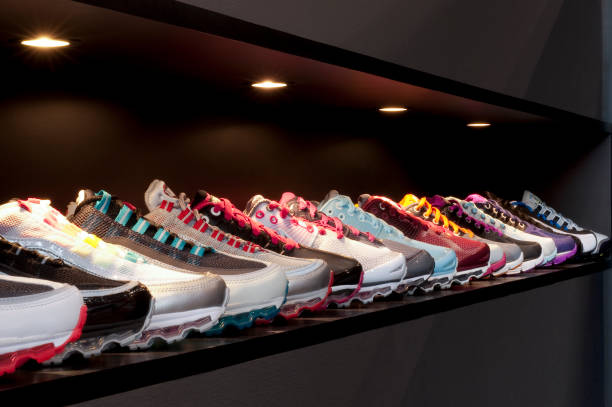
Collectors carry a different burden. They are custodians of objects that were made to be worn but are often kept pristine. Some chase deadstock pairs, sealed and untouched, because the shoe becomes an artifact. Others insist on wearing everything, because a sneaker that never hits pavement is a story that never gets told. This debate runs through interviews with longtime collectors, and it has no clean resolution. What matters is intention. A collector who rotates pairs, stores them away from sunlight, keeps original boxes, and records receipts is practicing preservation. A collector who wears a grail to a wedding or a reunion is practicing memory. Both approaches protect culture, just in different ways. The resale market may reward scarcity, but the collector community rewards knowledge.
That knowledge is where resale and community meet. Industry insiders will admit that prices can be irrational. A single celebrity photo, a limited drop, or a sudden TikTok trend can turn a forgotten model into a four-figure commodity. Yet the same insiders also know that attention is fickle. The sneakers that hold value across decades tend to have provenance: an authentic story, a clear design lineage, and a community that keeps discussing them. Authentication is part of this. Collectors compare stitching, font, leather grain, box labels, and production dates. They share findings in forums, group chats, and local meetups. What looks like hobbyist obsession is actually peer review. Trust is the currency beneath the market, and community is the infrastructure that keeps trust alive.
Designers and industry insiders are paying attention. They see collectors not as consumers but as editors. A retro release can fail if it ignores the details that made the original matter. It can succeed when it respects the silhouette, improves comfort without changing character, and adds a narrative that feels earned. Sustainability is entering the conversation too. Insiders talk about circular resale, repairability, digital passports, and transparent supply chains. These ideas are not separate from collector culture. They are responses to it. If a shoe is worth preserving, it should be made to last, documented clearly, and designed with an afterlife in mind.
The most useful lesson from interviews with designers, collectors, and insiders is simple: price is not worth. Price is a signal, sometimes accurate, often noisy. Worth is accumulated through memory, use, repair, friendship, and shared obsession. A sneaker becomes iconic when it travels through hands and stories, not just through checkout pages. The archive grows every time someone photographs a pair before wearing it, teaches a younger collector how to spot a fake, or tells a designer why a detail mattered. Sneaker culture survives because it is practiced. The object may sit on a shelf, but the culture lives in the community that remembers, debates, and passes it on. That is the real value no resale graph can capture.
Articles