The Art of the Cuff: How Pant Hem Treatments Define High-Top and Low-Top Sneaker Silhouettes

The dialogue between sneaker and pant leg is one of the most nuanced conversations in streetwear. While much of the discourse around high-tops versus low-tops focuses on ankle support, comfort, or basketball heritage, the true stylistic divide emerges at the hemline. How you finish the bottom of your trousers—whether with a crisp cuff, a casual roll, a full tuck, or a voluminous stack—determines whether a pair of sneakers elevates an outfit or undermines it. This is not a matter of simple preference; it is a study in proportion, line, and visual weight that every sneaker enthusiast must master.
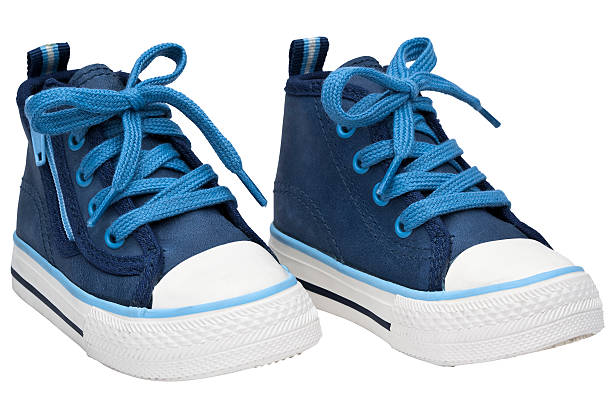
High-top sneakers, with their extended ankle collars, create a natural barrier between the shoe and the leg. This barrier demands intentionality. When wearing high-tops, the pant leg must either clear the collar entirely or engage with it in a deliberate way. The cleanest approach is the single crisp cuff. By rolling the hem once or twice, the pant leg sits just above the top of the sneaker, exposing the ankle and the shoe’s collar design. This works exceptionally well with denim or chinos that have a straight or tapered leg. The exposed ankle creates a visual break that elongates the leg while drawing attention to the sneaker’s silhouette—a payoff for those who invest in iconic high-top models like the Air Jordan 1 or the Converse Chuck Taylor.
For those who prefer a more relaxed look, a wider cuff can mimic the effect of cropped trousers. Rolling the hem to sit two or three inches above the ankle transforms high-tops from a sporty statement into a deliberate fashion choice. This technique pairs particularly well with raw denim or heavier fabrics, where the roll holds its shape and introduces a rugged texture against the smooth leather or canvas of the sneaker. The key is to avoid a cuff that is too tight or too loose; a snug roll that hugs the calf without bunching preserves the clean line from hip to toe.
The full tuck, admittedly a bolder move, deserves respect in the high-top conversation. Tucking straight-leg or slightly tapered trousers into the top of high-tops creates a streamlined silhouette that echoes military or utilitarian style. This is not for the faint-hearted—it works best with slim-cut joggers, cargo pants, or trousers with elasticized cuffs. The risk is that the tucked fabric can bulge at the shoe’s collar, breaking the silhouette. To avoid this, choose pants with a narrow leg opening and tuck only a minimal amount of fabric, letting the rest drape naturally. The payoff is a high-impact look that declares confidence and an understanding of sneaker heritage, especially when paired with boots or high-top basketball models.
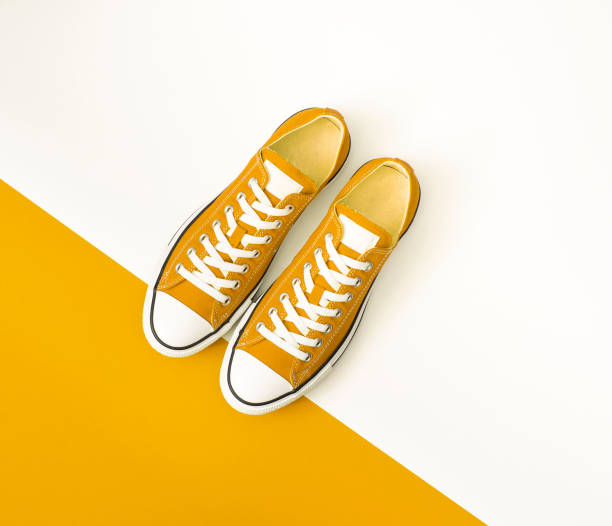
Low-top sneakers, by contrast, demand a completely different calculus. Because they sit below the ankle, the pant leg has more freedom—but also more potential for error. The most common mistake with low-tops is the dreaded flood of fabric pooling around the tongue. Low-tops thrive on exposure. The heel, the side of the footbed, and the tongue should remain visible to preserve the shoe’s clean profile. A single narrow cuff that sits just above the shoe’s collar is ideal for low-tops, whether they are classic canvas sneakers like the Vans Authentic or minimalist leather trainers like the Common Projects Achilles.
Cropped trousers are a natural ally of low-tops. A pant leg that ends an inch or two above the ankle, without any roll, creates a modern, airy silhouette that emphasizes the shoe’s shape. This works exceptionally well with chinos, linen pants, or even dress trousers in a summer setting. The exposed ankle acts as a neutral zone, softening the transition from fabric to shoe. For those who prefer a more casual look, a single loose roll combined with slightly tapered jeans achieves a similar effect, though the roll should be wide enough to stay in place without gripping the leg.
Stacking is another technique that finds its home with low-tops. This involves allowing the pant leg to gather in folds above the shoe without a cuff. Stacking works best with slim or skinny jeans in a rigid denim that holds its wrinkles. The folds create a series of horizontal lines that draw the eye downward toward the sneaker, adding visual interest without cutting the leg line. Low-tops, with their lower ankle profile, accommodate stacking without overwhelming the shoe. The trick is to ensure the stack does not become too voluminous; a single or double fold is sufficient. Heavy stacking can make the pant leg look sloppy and swallow the shoe’s shape, defeating the purpose.
The choice between cuffing, rolling, tucking, or stacking is not merely about fashion homework. It is a reflection of personal style and an understanding of how different silhouettes interact. High-tops ask for deliberate showcase—they demand that the pant leg either rises above or integrates directly. Low-tops offer more flexibility but reward precision. A poorly executed cuff can shorten the leg; a perfectly measured roll can make any sneaker look intentional.
Ultimately, the most important tool in a sneakerhead’s arsenal is not a rare pair of shoes but a mirror. Standing in front of one, adjusting the pant leg by half an inch, can transform an outfit from awkward to effortless. Whether you favor the commanding height of a classic high-top or the understated versatility of a low-top, the hemline is your final, silent signature. Master it, and your sneakers will never go unnoticed.
Articles