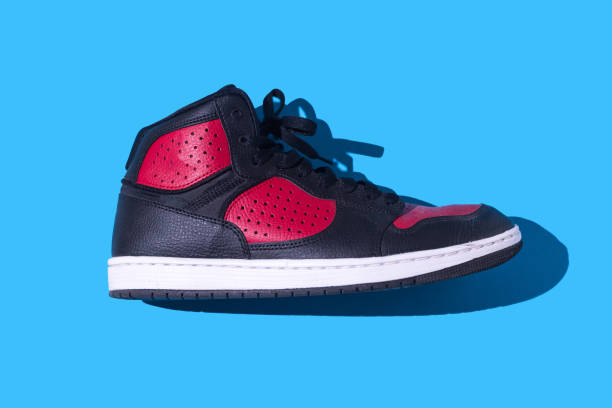
The Enduring Legacy of the Nike Air Max 1: How a Single Bubble Changed Sneaker Culture Forever
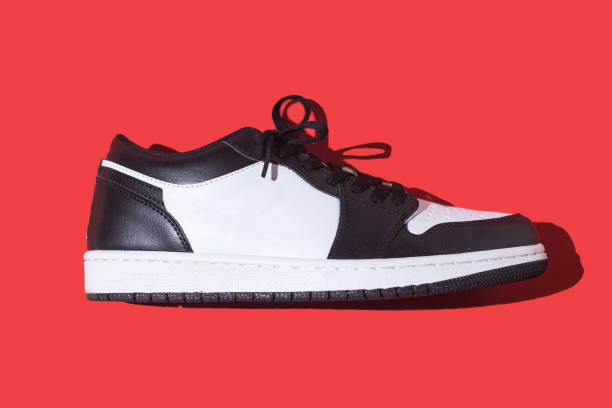
When Tinker Hatfield first sketched a shoe with a visible window into its heel, few could have predicted that this single design choice would fundamentally reshape the footwear industry. The Nike Air Max 1, released in 1987, was not merely a new sneaker; it was a declaration that function could be celebrated as form. By exposing the pressurized air unit that had been hidden inside midsoles for years, Hatfield transformed a performance technology into a visual icon, creating a template that would influence every sneaker that followed. The Air Max 1’s impact extends far beyond its technical innovation, embedding itself into streetwear, music, art, and the very psychology of how we perceive athletic footwear.
The genius of the Air Max 1 lies in its radical transparency. Before 1987, Nike’s Air technology was undeniably effective—cushioning runners’ feet with pockets of compressed gas—but it remained invisible, a secret hidden beneath layers of foam and rubber. Hatfield, inspired by the exposed structural elements of the Centre Georges Pompidou in Paris, argued that if Air was the company’s greatest asset, it should be seen. The result was a small, circular window in the heel that revealed the golden-tinted air bag. This was not just an aesthetic gamble; it was a philosophical shift. The shoe no longer needed to pretend it was something else. It celebrated its own mechanical reality, and consumers responded with an almost immediate reverence. The visible air unit became a status symbol, a mark of technological prestige that other brands scrambled to replicate.
Yet the Air Max 1’s significance cannot be reduced to a single window. The shoe’s overall design was a masterclass in balance. Its low-cut silhouette, combined with a leather and mesh upper, offered a clean, versatile look that worked equally well on a track or a city sidewalk. The color blocking, particularly the original “University Red” and “White/Red” colorways, introduced a boldness that was rare in running shoes at the time. These colors were not accidental; they were influenced by the vibrant aesthetics of 1980s street culture, from breakdancing to graffiti art. The Air Max 1 became a canvas for self-expression long before the sneaker customization movement took hold. It was a shoe that said something about the person wearing it—a message of forward-thinking style and a willingness to embrace the new.
The cultural resonance of the Air Max 1 deepened throughout the 1990s and 2000s as it became a cornerstone of hip-hop fashion, skateboarding, and the burgeoning sneakerhead community. In cities like New York, London, and Tokyo, the shoe was adopted by subcultures that valued authenticity and edge. Rappers like Eminem and groups like Wu-Tang Clan wore Air Max 1s in music videos and album covers, cementing the sneaker’s place in pop culture iconography. Skateboarders, drawn to its cushioned heel and durable construction, used the shoe as a canvas for personalized wear and tear, giving it a rough, lived-in aesthetic that contrasted with its original athletic purpose. This organic migration from sport to street to art demonstrated the shoe’s remarkable versatility. It was not a niche product; it was a universal symbol of cool.
The Air Max 1 also pioneered the concept of the retro sneaker market. When Nike re-released the original colorways in the early 2000s, they discovered a generation of collectors who had no memory of the 1987 debut but were deeply attracted to its history and design. This sparked a cycle of reissues, collaborations, and limited editions that continues today. Collaborations with brands like Atmos, Parra, and CLOT have produced some of the most coveted sneakers in existence, each paying homage to the original while pushing its aesthetic into new territory. The Atmos “Elephant” Air Max 1 from 2007, with its signature elephant print and safari-inspired colors, is often cited as one of the greatest sneaker collaborations of all time. These partnerships have kept the Air Max 1 relevant across decades, proving that a classic design can evolve without losing its soul.
From a technical standpoint, the Air Max 1’s visible air unit did more than just look good. It forced Nike to refine the precision of its air bag manufacturing, ensuring durability and consistent performance. The shoe’s forefoot had no visible air, but the heel unit provided a level of shock absorption that was revolutionary for its era. Over time, the visible air technology expanded into other models—the Air Max 90, 95, and 97 each pushed the concept further—but the Air Max 1 remained the foundational archetype. Its proportions, from the width of the sole to the height of the heel window, set a standard that subsequent designs could only iterate upon. Even today, when sneaker technology has advanced far beyond 1987’s capabilities, the Air Max 1’s silhouette remains instantly recognizable and endlessly copied.
The shoe’s influence on design philosophy is perhaps its most profound legacy. By making a functional component the centerpiece of the shoe, Hatfield inspired a generation of designers to treat every element as an opportunity for expression. The exposed air bubble is now a common feature across many brands, but it was the Air Max 1 that normalized the idea that technical parts could be beautiful. This principle—that the inner workings of a product are not to be hidden but celebrated—has permeated everything from smartphones to furniture design. In the sneaker world, it sparked a movement toward deconstruction, transparency, and raw material honesty.
Collectors and enthusiasts often speak of the Air Max 1 with a reverence reserved for art objects. Its lines are clean, its proportions are balanced, and its details reward close inspection. The way the leather wraps around the heel, the stitching on the Swoosh, the texture of the mesh—each element contributes to a whole that feels greater than the sum of its parts. This is why the shoe has been exhibited in museums and studied in design courses. It is not just a sneaker; it is a proof of concept that fashion and function can coexist, that technology can be poetic, and that a single design decision can echo through decades.
As the sneaker industry continues to evolve with new materials, smart fabrics, and sustainability initiatives, the Air Max 1 remains a touchstone. It reminds us that the greatest innovations are often the simplest: revealing what was hidden, trusting the consumer to appreciate the truth, and letting beauty emerge from honest engineering. Whether worn by a runner chasing a personal best, a collector preserving a piece of history, or a teenager stepping into self-expression, the Air Max 1 endures because it represents a moment when design took a risk and won. That single bubble of air, visible for all to see, changed everything.
Articles