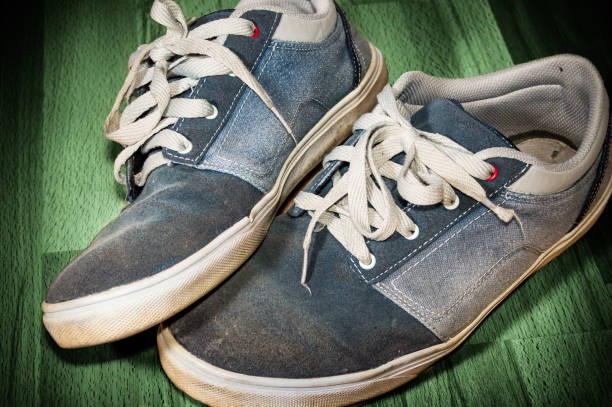

The Era of the Vans Warped Tour: How a Music Festival Cemented Skate Shoe Culture
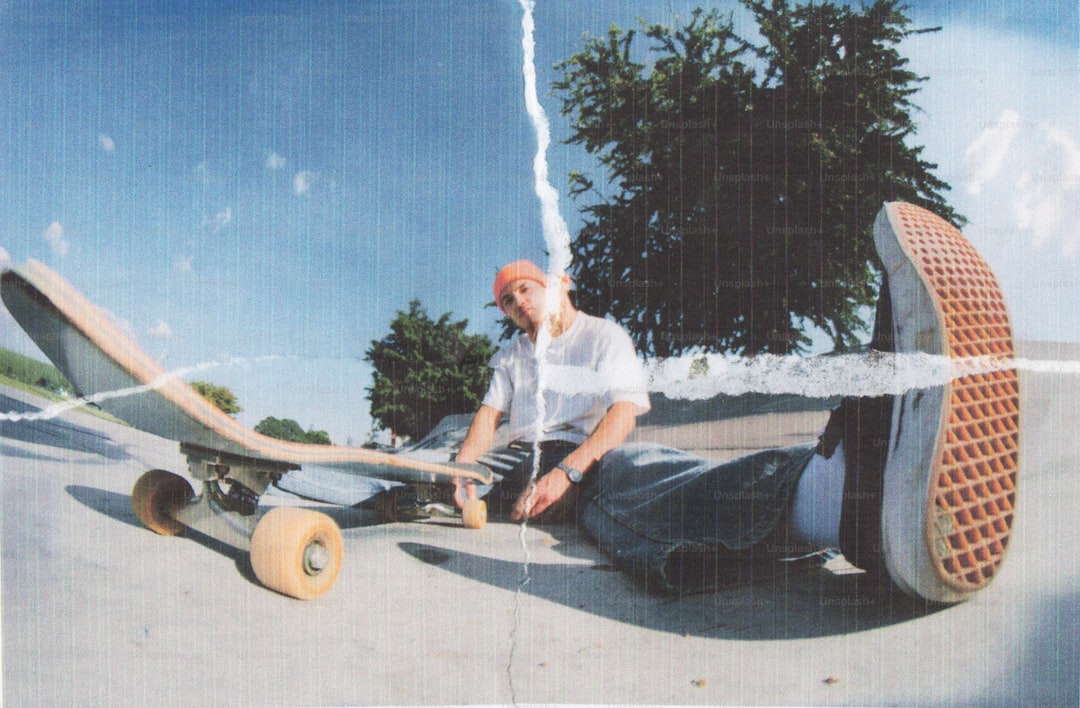
In the mid-1990s, a small California shoe company took a gamble that would forever intertwine skateboarding, punk rock, and alternative youth culture. The Vans Warped Tour, launched in 1995, was not merely a traveling music festival; it became the live embodiment of the “Off the Wall” ethos that had defined Vans since 1966. By bringing together skateboarding demonstrations, extreme sports exhibitions, and a rotating lineup of punk, ska, and hardcore bands, the Warped Tour transformed Vans from a niche skate shoe manufacturer into a global symbol of rebellion, creativity, and community. Understanding this era is essential to grasping how Vans transcended its humble Anaheim origins to shape an entire generation’s identity.
Before the Warped Tour, Vans had already established itself as the footwear of choice for Southern California skateboarders. The brand’s original deck shoe, the Authentic, with its vulcanized rubber sole and canvas upper, offered the grip and board feel that skaters demanded. The introduction of the Slip-On in 1977 and the Sk8-Hi in 1978 further solidified Vans’ reputation as a company built by skaters for skaters. Yet by the early 1990s, the skateboarding industry faced a downturn. The rise of inline skating, the decline of public skateparks, and shifting fashion trends threatened the brand’s relevance. Vans needed a new way to reconnect with its core audience while reaching a broader youth demographic.
Enter Kevin Lyman, a concert promoter with a vision. Lyman recognized that skateboarding and punk music shared a common spirit of anti-establishment defiance. In 1995, he pitched the idea of a festival that would blend live music with action sports, and Vans agreed to sponsor it. The first Warped Tour was a modest affair: a single stage, a handful of bands including Sublime and No Doubt, and a few skate ramps set up in parking lots. But the formula was electric. Skaters could watch pros like Tony Hawk and Bucky Lasek perform aerial tricks while hearing their favorite bands play within earshot. The festival was loud, chaotic, and unapologetically DIY—everything that Vans represented.
Over the next decade, the Warped Tour exploded in scale. By the early 2000s, it became the largest traveling music festival in North America, drawing hundreds of thousands of attendees each summer. Vans used the tour as a mobile laboratory for brand engagement. They set up the Vans Skate Park, a portable half-pipe that allowed amateur skaters to test their skills alongside professionals. They handed out free stickers, T-shirts, and limited-edition shoes that quickly became collector’s items. The brand’s logo—the iconic red and white “Off the Wall” circle—became a badge of identity for anyone who considered themselves part of the alternative scene.
The Warped Tour also gave Vans a direct pipeline to the next generation of skaters and musicians. Bands that performed on the tour, from Blink-182 to Paramore, often wore Vans onstage, turning the shoes into a visual shorthand for authenticity. Skateboarding demos featuring legends like Geoff Rowley and Elissa Steamer reinforced the connection between performance and product. Vans was no longer just a shoe company; it was the curator of a lifestyle. This strategy paid off handsomely. As the tour grew, so did Vans’ market share. By 2015, Vans had become one of the fastest-growing footwear brands in the world, with annual revenues exceeding two billion dollars.
Yet the Warped Tour’s influence went beyond sales. It helped preserve and evolve skate culture at a time when mainstream commercialism threatened to dilute it. The festival created a space where skaters, musicians, and fans could interact on equal footing. The backstage area was open; the vibe was inclusive. Vans understood that the heart of their brand was not the shoes themselves but the community that wore them. The Warped Tour became a proving ground for new skate tricks, new bands, and new friendships. It was a summer camp for outsiders, and Vans was the name on the welcome mat.
As the 2010s wore on, the Warped Tour faced challenges. Changing music consumption habits, rising production costs, and the decline of punk rock’s mainstream appeal led to the festival’s final full national tour in 2019. But by then, its legacy was secure. The Warped Tour had introduced millions of young people to skateboarding and had cemented Vans’ place at the intersection of sports, fashion, and music. Even today, when a teenager buys a pair of classic black Checkerboard Slip-Ons, they are buying a piece of that history—a reminder of sweaty summer afternoons, dusty skate parks, and the roar of a crowd that believed in the power of doing it yourself.
In the end, the Vans Warped Tour was more than a marketing campaign. It was a cultural movement that proved a skate shoe could be a vessel for a whole way of life. For a generation, the sight of the Vans logo against a concert backdrop meant freedom, creativity, and belonging. That is the true meaning of “Off the Wall.”
Articles