The Evolution of Ankle Support and Traction in High-Top Basketball Sneakers
The high-top basketball sneaker is not merely a fashion statement or a nod to nostalgia; it is a carefully engineered piece of athletic equipment that has evolved over decades to address two fundamental demands of the game: protecting the ankle from injury and ensuring reliable grip on the hardwood. From the canvas originals of the mid-twentieth century to today’s cutting-edge knit composites, the marriage of support and traction has driven innovation in materials, geometry, and construction. Understanding this evolution reveals how the high-top has become an indispensable tool for players at every level.
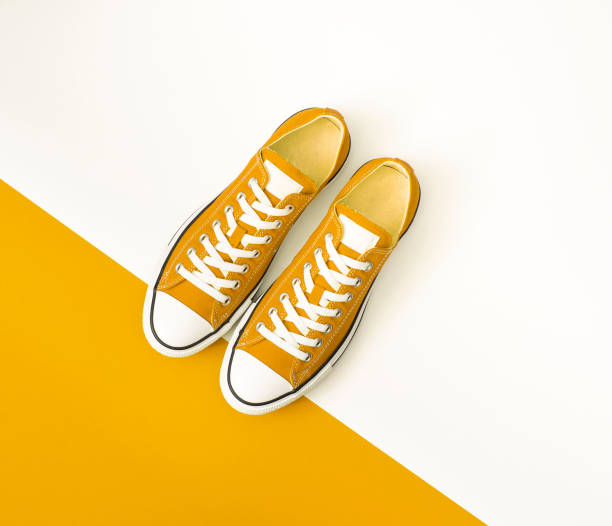
The earliest high-top basketball shoes, such as the Converse All Star introduced in 1917, were rudimentary by modern standards. A canvas upper extended several inches above the ankle, offering basic containment but little structural resistance to inversion or eversion. The outsole featured a simple herringbone pattern pressed into rubber, which provided decent grip on wooden courts that were often dusty or slick. Yet players quickly discovered that the soft canvas collar could be rolled down or cinched loosely, compromising ankle support. The need for better lateral stability became apparent as the game grew faster and more vertical. In 1969, the release of the Adidas Superstar introduced a reinforced leather toe cap and a more substantial heel counter, but the real breakthrough in ankle protection came with the Nike Air Force 1 in 1982. Its thick ankle strap and padded collar, combined with a full-length Air unit, set a new standard for both cushioning and containment. The outsole pattern, featuring a circular pivot point at the forefoot, improved traction during quick directional changes.
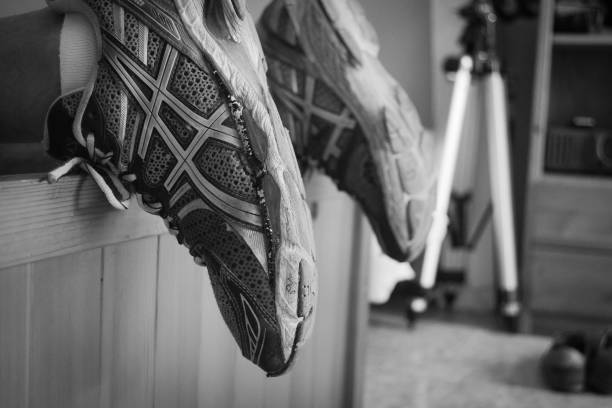
The 1990s witnessed an explosion of ankle-support technology, driven by an increasing awareness of the prevalence of ankle sprains in basketball. Nike’s Air Jordan line led the way with models like the Jordan XI, which incorporated a patent leather upper that resisted stretch and a carbon fiber shank plate that stabilized the midfoot. The high-top silhouette was extended even higher in the Reebok Shaq Attaq, designed for Shaquille O’Neal’s massive frame, with a neoprene bootie and a forefoot strap that locked the heel in place. Meanwhile, Adidas introduced the EQT Elevation with a plastic heel cage that cradled the Achilles. Traction patterns became more aggressive, with multidirectional herringbone, zigzag lines, and even circular treads that allowed players to stop on a dime without sliding. The combination of synthetic leathers, foam collars, and full-length air or gel cushioning created a stable platform that reduced the risk of rollover injuries while maintaining ground feel.
The turn of the millennium brought a shift toward lighter, more flexible materials without sacrificing support. The Nike Shox BB4 used a spring-loaded heel column that absorbed impact, while the Adidas Kobe Two featured a shell-like upper made from thermoplastic polyurethane that wrapped the foot tightly. However, the most revolutionary change came in 2008 with the introduction of Flywire technology in the Nike Hyperdunk. Ultra-thin Kevlar-like cables were integrated into the mesh upper, anchored at the midsole to lock down the foot without the bulk of traditional straps. The high-top collar remained, but it was now lighter and more breathable, allowing for natural ankle flexion while still providing lateral restraint. Underfoot, the outsole used a micro-herringbone pattern that maximized surface contact and wiped away dust with each step. This approach—using dynamic cable systems instead of rigid panels—became a template for subsequent models like the LeBron Witness and the Curry Flow series.
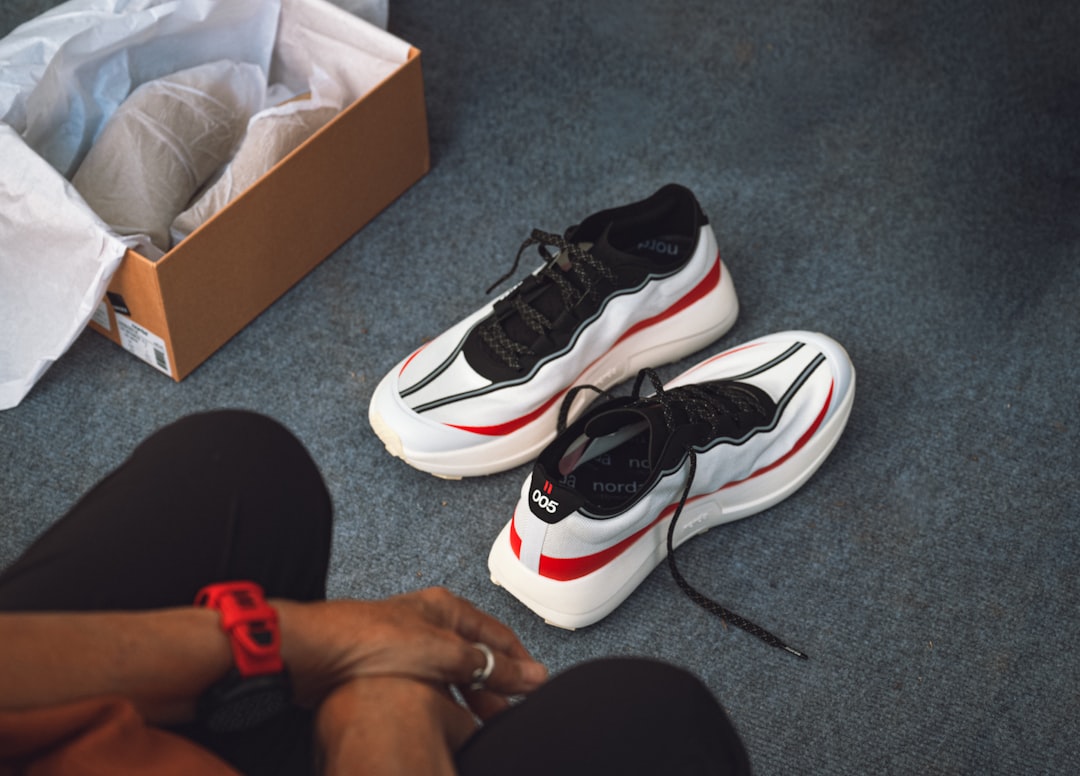
Modern basketball high-tops continue to push boundaries. The use of woven knit uppers, as seen in the Nike Kobe AD NXT and the Adidas Harden Vol. 4, creates a sock-like fit that adapts to the shape of the ankle while integrating support bands at key stress points. Some models, such as the Anta KT8, employ a hinged heel counter that allows a natural range of motion during running but locks down during lateral cuts. Traction technology has also advanced: translucent rubber compounds now offer superior grip on dusty courts, and patterns are often designed using data from pressure-mapping sensors to optimize bite. The latest innovation includes built-in ankle braces, as seen in the Zion 3, where a stiff internal stabilizer wraps around the heel and connects to a reinforced outrigger, preventing the foot from sliding over the edge of the sole.
Today, the high-top basketball sneaker is a testament to how design can address the twin challenges of injury prevention and performance. Ankle support is no longer just about padding; it involves dynamic lacing systems, cradles, and even artificial ligaments woven into the fabric. Traction is no longer just a matter of rubber pattern; it involves compounds that adapt to temperature and court conditions. The evolution from canvas to carbon fiber, from simple herringbone to computer-optimized treads, reflects a relentless pursuit of safety and control. For any player stepping onto the hardwood, the high-top remains the most trusted ally—one that allows them to jump higher, cut sharper, and land with confidence, knowing that their ankles are protected and their footing is secure.