

The History and Cultural Impact of the Classic Canvas Sneaker
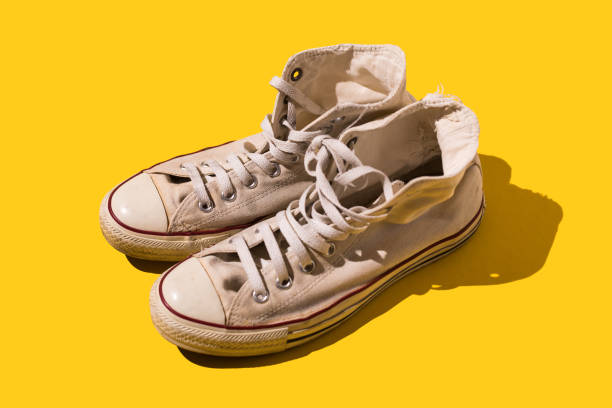
Canvas sneakers have long occupied a unique space in both athletic history and everyday fashion, yet their journey from humble utility to global icon is a story woven with innovation, rebellion, and timeless style. The very fabric that defines them—lightweight, breathable cotton or linen canvas—predisposes these shoes to be the perfect companion for warm weather, but their cultural resonance reaches far beyond seasonal comfort. Understanding the classic canvas sneaker means appreciating how a simple, affordable shoe became a canvas for self-expression across generations.
The origins of the canvas sneaker trace back to the late nineteenth century, when rubber vulcanization made durable, flexible soles possible. The first mass‑produced canvas shoes emerged as practical athletic footwear, designed for activities like croquet, tennis, and early basketball. These early models were plain, functional, and almost universally white, reflecting a no‑nonsense approach to sportswear. Yet even then, the combination of a soft upper and a grippy rubber outsole offered unprecedented freedom of movement, a quality that would later prove revolutionary on court and on pavement alike.
The true turning point came in 1917 with the introduction of the Converse All Star basketball shoe. Originally a high‑top designed to provide ankle support, it featured a canvas upper and a distinctive toe cap. Within a few years, a young basketball player named Chuck Taylor began endorsing the shoe, suggesting improvements and eventually having his name added to the iconic ankle patch. The Chuck Taylor All Star became synonymous with basketball for decades, but its real legacy unfolded when the sport’s popularity waned and the shoe found new life off the court. By the mid‑twentieth century, the All Star had been adopted by rebels, artists, and musicians—everyone from James Dean to the early punks of 1970s London. The canvas sneaker ceased to be merely a performance shoe and transformed into a symbol of youthful defiance.
Parallel to Converse’s rise, another brand was quietly shaping the canvas sneaker’s destiny in Southern California. In 1966, the Van Doren Rubber Company opened its first store and introduced the Authentic, a low‑top deck shoe crafted from canvas with a vulcanized rubber sole. Originally marketed to skateboarders and surfers, the Vans Authentic offered the grip and flexibility needed for the emerging skate culture. Its striped sidewall, known as the “jazz stripe,” became an instant visual marker of authenticity. Vans, like Converse, soon transcended its original athletic purpose, becoming a uniform for punk rockers, skate punks, and later the broader fashion mainstream. The canvas upper, non‑marking sole, and relatively low price point made these sneakers accessible to anyone looking to declare their allegiance to a subculture.
What makes canvas sneakers so enduring, particularly in warm weather, is their remarkable breathability. Unlike leather or synthetic materials, canvas allows air to circulate freely around the foot, helping to wick moisture and reduce heat buildup. This property makes them ideal for summer strolls, beach boardwalks, or casual outdoor concerts where comfort is paramount. Yet breathability is only part of the equation. Canvas sneakers are inherently lightweight and flexible, conforming to the wearer’s foot over time rather than forcing the foot into a rigid shape. This break‑in period, while requiring some patience, ultimately yields a highly personalized fit that many sneaker enthusiasts cherish.
Beyond literal comfort, canvas sneakers offer stylistic versatility unmatched by other footwear categories. They can be dressed down with shorts and a tee or dressed up with chinos and a linen shirt, walking the line between casual and deliberate effortlessly. The plain white canvas sneaker, in particular, has become a wardrobe cornerstone, often hailed as a “blank canvas” that works with virtually any outfit. This neutrality, however, does not preclude boldness. Brands have released countless colorways, prints, and collaborations featuring everything from floral patterns to abstract art. Collectors and casual wearers alike appreciate that a single silhouette can convey entirely different personalities depending on its hue and condition.
The canvas sneaker’s cultural impact also extends to its role as an agent of democratization in fashion. Because canvas production is relatively inexpensive, these sneakers have historically been accessible to a wide economic spectrum. In many ways, the canvas sneaker represents the opposite of exclusivity: it is a shoe that belongs to everyone. This egalitarian quality has been central to its adoption by countercultures that sought to reject ostentatious luxury. The very simplicity that some might dismiss as basic is actually a radical statement of authenticity and shared experience.
Care and maintenance of canvas sneakers require a gentle touch. Spot cleaning with a mild soap and water, air drying away from direct sunlight, and occasional replacement of insoles can extend their lifespan considerably. Many enthusiasts also embrace the natural wear and tear, treating scuffs and fading as part of the shoe’s story. In warm weather, canvas sneakers can be machine washed on a gentle cycle, but should never be placed in a dryer, as high heat can damage the rubber and warp the canvas shape. Proper storage in a cool, dry place helps prevent mold and discoloration, ensuring these breathable classics remain fresh season after season.
As sustainability becomes an increasing concern in footwear, canvas sneakers present a compelling case. Natural fibers like cotton canvas are biodegradable, and many brands now use organic or recycled canvas to reduce environmental impact. The durability of a well‑made canvas sneaker, coupled with its timeless design, means it can be worn for years rather than discarded after a single trend cycle. In a world of fast fashion, the classic canvas sneaker stands as an emblem of thoughtful consumption—a product that rewards simplicity and longevity over novelty.
From the basketball courts of the early twentieth century to the skate parks of Venice Beach and the sidewalks of Tokyo, the canvas sneaker has proven its staying power. Its breathable nature makes it an essential warm‑weather footwear choice, while its cultural weight ensures it remains relevant across decades and demographics. Whether one wears a pristine white pair as a style statement or a beat‑up pair as a badge of honor, the classic canvas sneaker continues to tell stories of movement, rebellion, and personal identity. In every thread of its woven upper lies a history that is still being written, one step at a time.
Articles