The Evolution of Cushioned Running Shoes for Road and Trail Performance

The modern running shoe is a marvel of engineering, yet at its heart lies a single transformative concept: cushioning. What began as a simple layer of rubber between foot and ground has evolved into sophisticated foam systems, responsive plates, and terrain-specific constructions. For runners who split their mileage between smooth pavement and rugged trails, understanding how cushioned shoes adapt to both surfaces is essential. The journey from stiff leather sneakers to plush, high-stack rockets reveals why cushioning is not just a comfort feature but a performance tool that can reshape stride, protect joints, and unlock new levels of endurance.
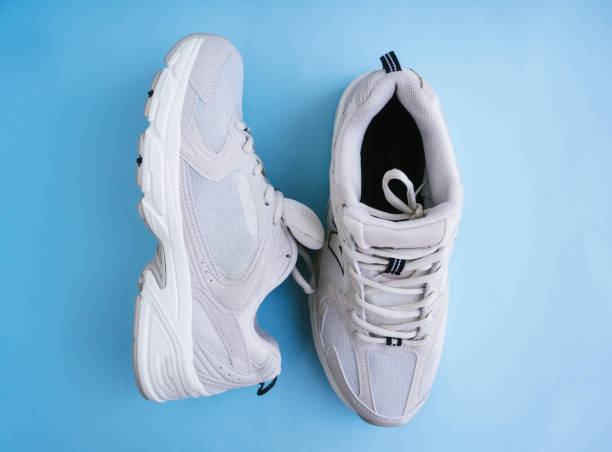
Road running demands consistent, repetitive impact. Every footstrike sends a shockwave through the ankle, knee, and hip. Traditional cushioned road shoes use soft, resilient foams like EVA or polyurethane to absorb that force and return it as springy energy. Over the years, brands have experimented with nitrogen-infused midsoles, Pebax sheets, and even carbon fiber plates embedded within thick layers of foam. The result is a shoe that feels like running on a cloud while still propelling you forward. Stack heights have grown from a modest 20 millimeters to a towering 40 or more, encouraging heel strikers to roll smoothly and midfoot runners to maintain cadence. The key trait of a road cushion is uniformity—consistent support on flat, hard, and predictable ground.
Trail running changes everything. The surface is uneven, often covered with roots, rocks, mud, and steep inclines. A shoe that feels heavenly on asphalt becomes unstable on a slick log. Trail-specific cushioned shoes therefore blend softness with structure. They feature deeper lugs for grip, a firmer midsole compound near the forefoot for ground feel, and a rock plate—a thin insert that prevents sharp stones from puncturing the sole. Interestingly, trail shoes often have slightly less cushioning than road models, prioritizing responsiveness and terrain feedback. However, the newest trend is “max-cushion trail shoes,“ which combine tall stacks of plush foam with aggressive outsoles. These allow long-distance ultrarunners to pound down mountain descents without bruising their feet, while trusting traction to keep them upright.
The materials that make this possible are worth exploring. EVA foam remains the workhorse, but its limitations—compression over time, lackluster energy return—have led to breakthroughs like TPU, which is more durable and bouncy, and supercritical foams made by injecting gas into a polymer matrix under high pressure. These advanced foams create a trampoline effect, storing energy on impact and releasing it during toe-off. Road shoes exploit this for maximum efficiency. Trail versions often use the same foams but tune them differently: a softer heel for landings on downhill slopes, a firmer toe for pushing off on climbs. Some brands even use dual-density midsoles, with one density on the lateral side to resist impact and another on the medial side for controlled pronation. This nuanced layering is what separates a casual cushioned sneaker from a serious performance tool.
Transitioning between road and trail is where many runners struggle. A shoe that excels on both is called a “hybrid” or “crossover” model. These usually have moderate stack heights, around 25 to 30 millimeters, balancing forgiveness with stability. They feature outsole lugs that are small enough to feel comfortable on pavement but aggressive enough to bite into dirt. The cushioning is tuned neutrally—not too soft to feel mushy on concrete, not too firm to rattle bones on gravel. Hybrids are perfect for runners who hit the trailhead after a few miles of street running, or for those who want one do-everything shoe for travel. The tradeoff is that they rarely excel at either extreme, but modern engineering has narrowed that gap impressively.
What about the science of cushioning? Research shows that softer midsoles reduce peak impact forces but may increase muscle fatigue over long distances, as the body works harder to stabilize. Firmer shoes, paradoxically, can improve running economy by providing a more stable platform. This is why many performance runners choose “firm but responsive” cushioning for speedwork, reserving plush shoes for recovery days. Trail runners face a similar dilemma: too much cushioning dulls the sense of the ground beneath, leading to ankle rolls on technical terrain. The best approach is to match the shoe to the workout—a highly cushioned trail shoe for a 50-mile ultra, a firmer one for a fast 10K on fire roads.
Ultimately, the world of cushioned running shoes is defined by choices. From the gel-injected soles of the 1980s to today’s carbon-plated hyper-foams, the goal remains the same: to keep runners moving safely and joyfully across any surface. Whether you are pounding asphalt past city parks or leaping over boulders in alpine meadows, the right cushioning system makes every stride an act of confidence. Understanding the difference between road and trail variants, and appreciating how foam, plates, and lugs work in harmony, turns a simple pair of shoes into a deliberate piece of athletic strategy. And that knowledge is the ultimate tool for any runner.
Articles