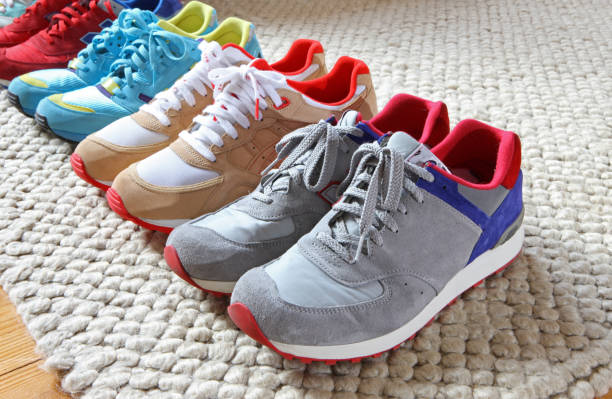
The Psychology of Hype: How Brand Collaborations Create Scarcity and Value
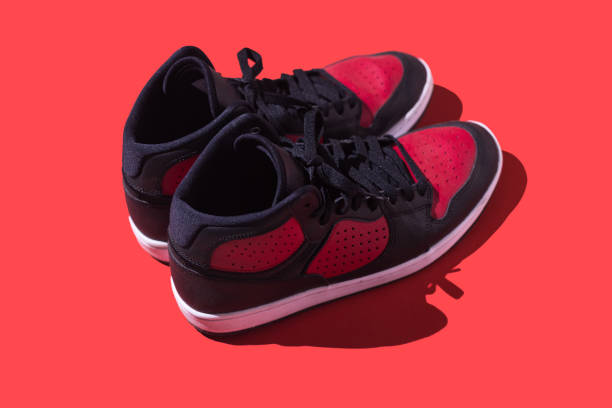
In the ecosystem of sneaker culture, few phenomena generate as much electricity as the brand collaboration. When two distinct identities merge to produce a limited-run silhouette, the result is often a perfect storm of desire, speculation, and astronomical resale prices. Understanding why these collaborations command such value requires a deep dive into the psychological mechanisms of hype and scarcity. At its core, a collaboration is not merely a shoe; it is a carefully orchestrated narrative that exploits fundamental human biases around exclusivity, social proof, and the fear of missing out.
The scarcity principle, first articulated by psychologist Robert Cialdini, posits that opportunities seem more valuable to us when their availability is limited. Sneaker collaborations weaponize this principle with surgical precision. Brands deliberately manufacture scarcity by producing only a few thousand pairs, often in opaque colorways that cannot be replicated. The most coveted collaborations, such as the Travis Scott x Air Jordan 1 or the Off-White x Nike “The Ten” series, were released in quantities that could not satisfy even a fraction of the demand. This imbalance creates a psychological spike in perceived value. A sneaker that is impossible to obtain becomes, paradoxically, more desirable. Collectors are not just buying a shoe; they are buying membership in an exclusive club—a token of having been part of a rare moment in time.
Yet scarcity alone is not enough. The hype engine requires a second fuel: social proof. When a celebrity or influential designer lends their name to a collaboration, they telegraph status to the community. The sneaker becomes a wearable badge of cultural literacy. The hype surrounding a Travis Scott collaboration, for example, is amplified by his massive fanbase, his carefully cultivated persona, and the viral moments that surround each release. Every Instagram post, every resale listing, every YouTube unboxing serves as a signal that this sneaker is important. The psychological mechanism of bandwagon effect kicks in: if everyone else wants it, it must be valuable. Community forums, release calendars, and streetwear media amplify this feedback loop. The result is a self-fulfilling prophecy where the sneaker’s value is determined not by its intrinsic quality but by the collective belief in its scarcity and desirability.
The resale market is where these psychological forces manifest in dollars. Collaborations that retail for two hundred dollars often resell for several thousand. This secondary market is not simply a place for profit; it is a real-time barometer of hype. Resale platforms like StockX and GOAT have turned sneaker trading into a speculative asset class. The value of a collaboration can fluctuate wildly based on news of restocks, celebrity sightings, or even a strategic social media post. This volatility is itself addictive. Collectors and flippers alike engage in a kind of emotional gambling, chasing the high of a price spike. The collaboration becomes a vehicle for status signaling not just through wearing, but through ownership and profit. The very act of securing a pair at retail and reselling it at a premium becomes a performance of insider knowledge and hustle culture.
But there is a darker side to this psychology. The relentless pursuit of hype can lead to manipulation, fakes, and unsustainable price bubbles. Bot armies and insider deals corrupt the release process, leaving genuine enthusiasts frustrated. The scarcity that drives value also drives resentment. Some collectors argue that the collaboration has become a cynical marketing tool, more about generating buzz than about meaningful design. The recent downturn in certain resale markets has shown that hype is fragile. When a collaboration fails to maintain cultural relevance, its value can plummet. The psychology of hype is inherently unstable because it is built on collective belief, and belief can shift overnight.
Nonetheless, the collaboration remains the most potent tool in sneaker culture for creating value. It taps into our deepest needs for belonging, status, and novelty. The best collaborations do not just exploit scarcity; they build community. They tell a story that resonates with a specific audience, whether that is the nostalgia of a cartoon character merged with a performance runner or the rebellious aesthetic of a high-fashion house meeting a streetwear icon. When a collaboration succeeds, it becomes a cultural artifact, a snapshot of a moment when hype and creativity aligned perfectly.
Understanding this psychology is essential for any collector or reseller. The hype is not random; it is engineered. The scarcity is not accidental; it is calculated. And the value, however volatile, is real because it is collectively affirmed by a passionate, engaged community. In the end, a sneaker collaboration is a mirror reflecting our own desires for exclusivity, connection, and recognition. The sneaker itself is just the canvas; the true artwork is the story we tell about it.
Articles