The Puma Suede: A Catalyst in Sport Style Evolution
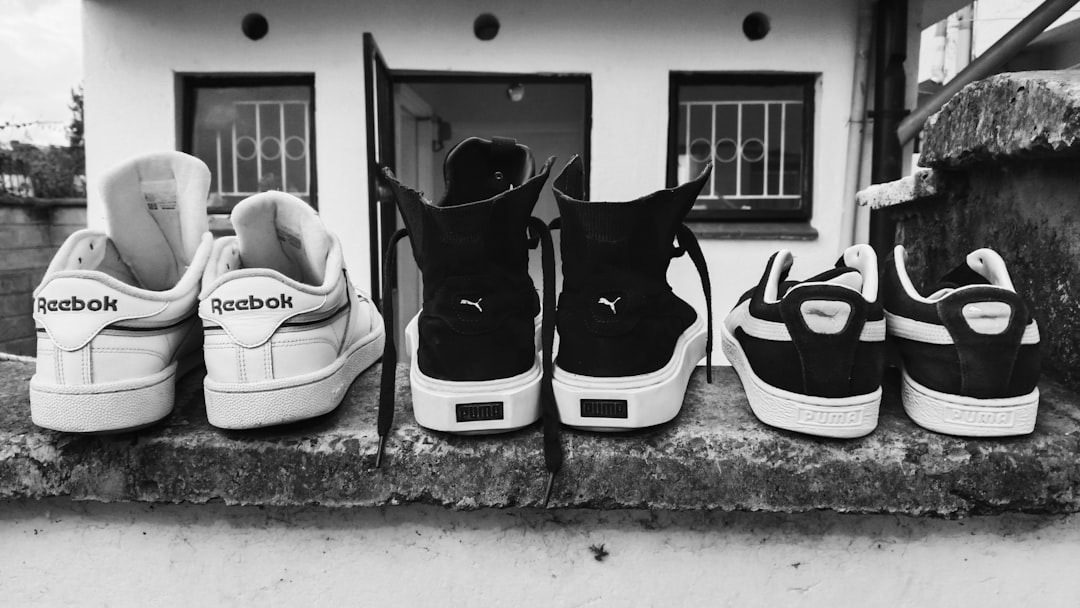
In the vast landscape of athletic footwear, few silhouettes have achieved the cultural transcendence of the Puma Suede. Introduced in 1968, this classic model was originally engineered for the basketball court, yet its true legacy lies in how it bridged the gap between functional sportswear and urban style. The Puma Suede did not merely complement the evolution of sport style; it actively reshaped it, becoming a canvas for self-expression, a symbol of rebellion, and a cornerstone of sneaker collecting culture.
The origins of the Puma Suede are rooted in a period of rapid athletic innovation. Puma, under the leadership of Rudolf Dassler, sought to create a lightweight, durable basketball shoe that could withstand the rigors of the hardwood. The decision to use suede as the primary material was both practical and aesthetic. Suede offered flexibility and comfort, while its soft texture gave the shoe a distinctive look that set it apart from the standard leather or canvas options of the era. The iconic formstrip, the thick rubber sole, and the low-cut profile created a silhouette that was both understated and unmistakable. Early adopters included NBA players like Walt Frazier, who wore the shoe during games and later helped popularize it off the court. Frazier’s flamboyant personality and fashion-forward sense made the Puma Suede a symbol of cool confidence, planting the seed for its eventual crossover into lifestyle wear.
Yet the shoe’s most transformative moment came not on a basketball court but on a track in Mexico City. During the 1968 Olympics, sprinter Tommie Smith wore a pair of Puma Suedes—or, according to some accounts, a variation of the model—when he raised his fist in a Black Power salute on the medal podium. That image, captured in one of the most iconic photographs of the twentieth century, forever linked the Puma Suede with social justice, courage, and defiance. The shoe became more than athletic equipment; it became a political statement. This association with activism resonated deeply within marginalized communities, particularly in the United States, where sneakers were already emerging as markers of identity and belonging.
As the 1970s gave way to the 1980s, the Puma Suede found a new home in the burgeoning hip-hop scene. Breakdancers, who needed lightweight, flexible shoes with excellent grip for spinning and sliding, gravitated toward the Suede. Its soft upper allowed for ease of movement, while the padded collar provided ankle support during complex footwork. The shoe’s affordability relative to competitors like Adidas Superstars or Nike Air Force 1s also made it accessible to inner-city youth. Graffiti artists, DJs, and B-boys adopted the Suede as a uniform of authenticity. Soon, the silhouette appeared in music videos, on album covers, and in the wardrobes of legendary groups like Run-D.M.C. (though they famously favored Adidas, the Puma Suede held its own among breakers in New York and Los Angeles). This grassroots adoption propelled the Suede from a basketball relic into a cornerstone of street culture.
Throughout the 1990s and early 2000s, Puma struggled to maintain the Suede’s relevance as Nike and Adidas dominated the sneaker market with aggressive marketing and technological innovation. Yet the Suede never disappeared. It remained a staple in skateboarding circles, where its low profile and durable suede construction appealed to skaters seeking board feel. Meanwhile, retro sneaker culture began to emerge, and collectors started to seek out classic releases. Puma responded by reissuing colorways and collaborating with artists and designers. The turning point came in the 2010s, when a wave of nostalgia and the rise of the minimalist fashion trend revived interest in simple, heritage silhouettes. The Puma Suede benefited from a cultural shift away from chunky, oversized sneakers and toward sleek, timeless designs.
Today, the Puma Suede is a chameleon. It appears in high-fashion collaborations with brands like McQ and A Bathing Ape, as well as in budget-friendly colorways available at retail chains. Its unisex appeal and wide range of colors make it a favorite among sneakerheads and casual wearers alike. The shoe’s evolution mirrors the broader history of sport style: from performance tool to political symbol, from subculture uniform to mainstream staple. It proves that true style is not about technological complexity but about cultural resonance. The Puma Suede endures because it tells a story—a story of athletes, activists, dancers, and everyday people who saw in a simple suede shoe a way to stand apart. In that sense, the Suede is not just a classic; it is a living document of how sport and street style have always been intertwined, each pushing the other forward in an endless dance of reinvention.
Articles