The Rulebook and the Revolution: How Style Guides Shape Sneaker Fashion

The world of sneaker fashion is a paradox. It is built on rebellion, individuality, and counter-culture, yet it operates within a complex, unspoken framework of rules. This framework is the style guide—not a physical pamphlet, but a living set of conventions that govern how sneakers are worn, collected, and perceived. Understanding this interplay between rigid guidelines and explosive trends is key to navigating modern sneaker culture.
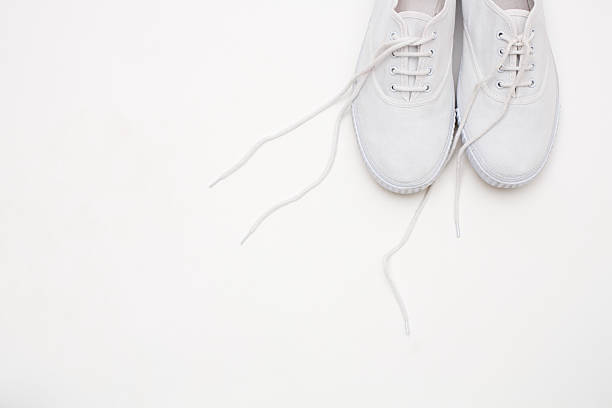
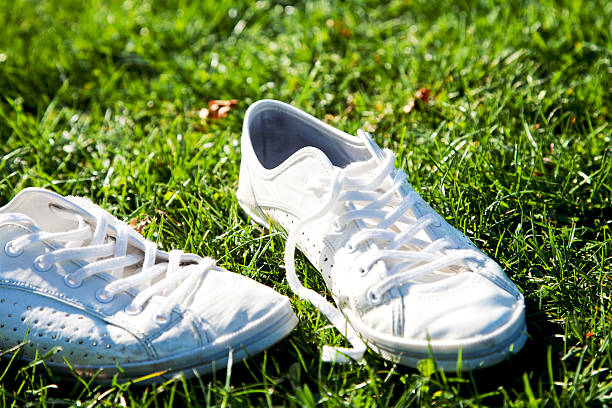
At its core, a style guide in sneakers establishes legitimacy. It dictates the foundational pairings that have stood the test of time. The rule that crisp white sneakers are a neutral, capable of bridging smart and casual, is a style guide staple. The convention that athletic silhouettes like the Air Max or Gel-Lyte III belong with technical wear or loose-fitting casuals is another. These are not arbitrary laws but evolved principles of proportion, color theory, and contextual appropriateness. They provide a baseline of competence, ensuring that an enthusiast’s expression is viewed as intentional, not accidental. For a community deeply invested in knowledge and history, adhering to these basic codes is a sign of respect for the culture’s origins.
However, sneaker trends are the relentless force that pressure-tests these very guides. Trends are the revolution to the style guide’s establishment. They emerge from the streets, from music scenes, and from daring individuals who deliberately break the rules. The trend of pairing dress shoes with sweatpants was a direct violation of traditional categories. The now-ubiquitous practice of wearing high-performance basketball sneakers like the Air Jordan 1 with tailored trousers shattered the old sportswear/casual divide. These movements start as fashion heresy, documented and amplified by platforms dedicated to the culture. As these rebellious acts gain critical mass, they force an evolution. The style guide doesn’t disappear; it adapts, assimilating the successful rebellion into its new edition. What was once a trend becomes a new tenet of the guide.
This cycle is meticulously chronicled and facilitated by dedicated hubs for sneaker passion. These platforms serve as both archivists of the established style guide and laboratories for the next trend. They provide the essential education—the history of the Air Force 1, the technical evolution of the Adidas Boost—that informs intelligent style. Simultaneously, their coverage of release calendars, on-foot styling galleries, and deep dives into collector culture spotlights the innovators who are writing fashion’s next chapter. They connect the dots between a vintage sportswear aesthetic and a newly reissued running model, effectively drafting the blueprint for an emerging trend. In this way, they are the curators of the conversation, ensuring that even the most avant-garde choices are understood within a historical and stylistic context.
Ultimately, the relationship between style guides and sneaker trends is a dynamic dialogue, not a battle. The style guide provides the grammar—the essential vocabulary and structure of sneaker fashion. Trends are the poetry, the creative and often disruptive use of that language to express new ideas. Mastery lies not in slavishly following one or mindlessly chasing the other, but in comprehending both. It is knowing why a rule exists so you can break it with purpose. The true sneaker enthusiast uses the guide as a foundation, not a cage, understanding that today’s radical trend is tomorrow’s classic entry in the ever-evolving manual of style. The culture progresses precisely because this tension exists, forever balancing the weight of its legacy with the thrill of what comes next.
Articles