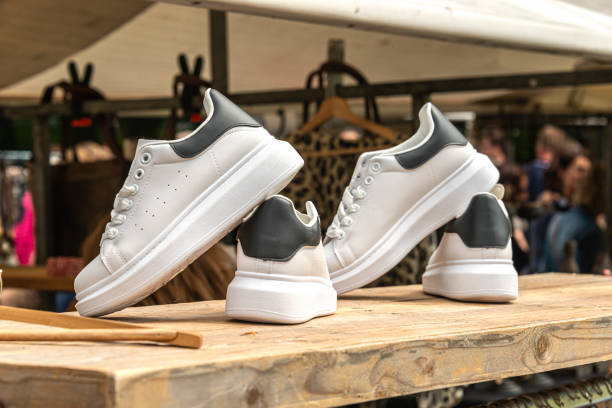
The Real Value of Expensive Sneakers: Performance, Durability, and Cost Per Wear
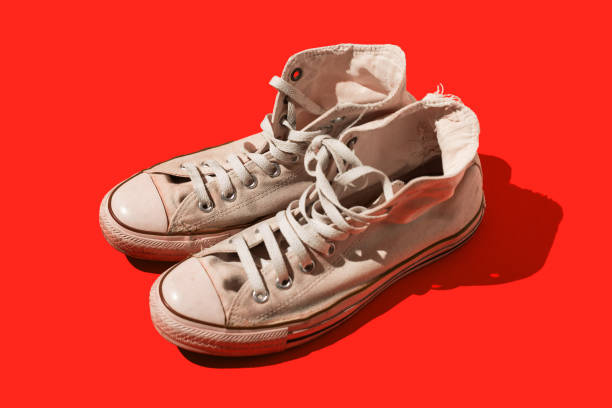
A sneaker’s price tag rarely tells the whole story. A $220 performance model might be a bargain if it carries a runner through hundreds of comfortable miles, while an $80 casual pair can feel wasteful if its foam flattens and its upper separates after a season. The value proposition of any shoe depends on how well its price aligns with intended use, performance demands, and expected lifespan. That calculation requires looking beyond colorways and hype toward materials, construction, and the physics of wear.
At the center is cost per wear. Divide purchase price by the number of useful wears, not just the number of times the shoe leaves the box. A $200 daily trainer worn 250 times costs eighty cents per wear. A $100 sneaker that feels unsupportive after 80 wears costs $1.25 per wear. The first shoe is more expensive upfront but cheaper over time. However, useful life is not the same as physical survival. A shoe can still look intact while its midsole has lost rebound, its outsole has worn smooth, or its upper has stretched beyond secure lockdown. Performance testing matters because it reveals when a shoe stops doing its job, not merely when it starts falling apart.
Midsole foam is the key variable. Traditional EVA is inexpensive and durable enough for casual wear, but it compresses and loses cushioning relatively quickly under heavy use. Modern supercritical foams, PEBA blends, and nitrogen-infused compounds offer lighter weight, higher energy return, and softer landings. They justify higher prices for athletes who need those benefits, yet many are less resilient than standard EVA. Racing shoes with exposed foam and minimal rubber can feel magical for a marathon but may have a useful life of only 50 to 100 miles. Paying $250 for such a shoe makes sense only if it helps achieve a specific performance goal; as an everyday sneaker, its value collapses.
Outsole durability is another price justification. Rubber hardness, tread depth, and coverage determine how long traction lasts. Indoor basketball shoes often use softer rubber for grip on clean courts, which wears quickly outdoors. Outdoor shoes use harder compounds and deeper patterns to survive abrasive concrete. A premium price can be fair when the outsole is engineered for the surface the wearer actually uses. Conversely, a stylish shoe with thin rubber pods and a fashion-first build may cost more because of branding, not longevity.
Construction and repairability also shape value. Goodyear welted or stitched sneakers, replaceable insoles, and resoleable outsoles can extend life dramatically. Cemented constructions, common in performance footwear, are lighter and sleeker but harder to repair. Premium leather can age gracefully, developing patina, while cheap synthetic coatings crack and peel. Still, durability is not only about materials. Rotation matters. Letting a shoe dry between wears, using shoe trees, cleaning mesh and leather, and avoiding extreme heat can add months or years. A single pair worn daily will break down faster than the same model rotated with another.
Performance testing brings these factors together. Lab tests measure compression set, energy return, torsional rigidity, flex resistance, and abrasion. Real-world testers log mileage, court hours, surface type, and body weight. The best reviews connect data to experience: how the shoe feels at mile ten, whether the plate remains effective after fifty miles, if the heel counter collapses, whether traction holds on wet pavement. This evidence prevents buyers from overpaying for technology that does not suit them.
The wisest purchase is not always the cheapest or the most advanced. It is the shoe whose price matches its useful life and intended purpose. A runner might justify a costly race-day model and keep it for competitions only. A casual wearer may get better value from a durable everyday sneaker with classic materials. A collector may value rarity and resale, but that is a different equation from performance and longevity. When price is judged against wear, function, and repair potential, the true cost becomes clear.
Articles