The Seasonal Palette: How Spring Pastels and Fall Earth Tones Define Sneaker Fashion
The cyclical nature of fashion is undeniable, and sneaker culture embraces this rhythm with a distinct and predictable color logic. Two dominant palettes govern the annual rotation: the soft, airy pastels of spring and the rich, grounded earth tones of fall. This is not mere coincidence or arbitrary marketing. These seasonal trends are deeply rooted in both practical human psychology and the strategic release calendars of major brands, creating a perpetual and engaging cycle for collectors and daily wearers alike.
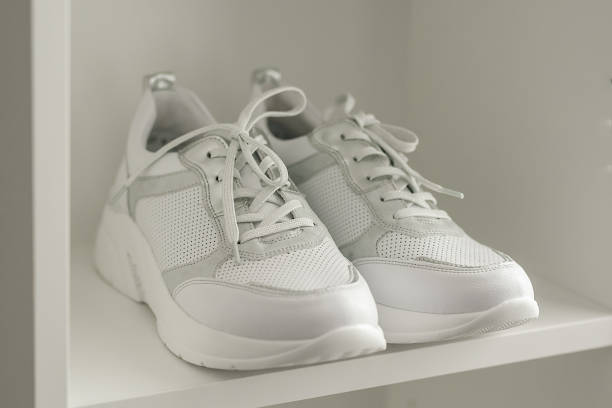
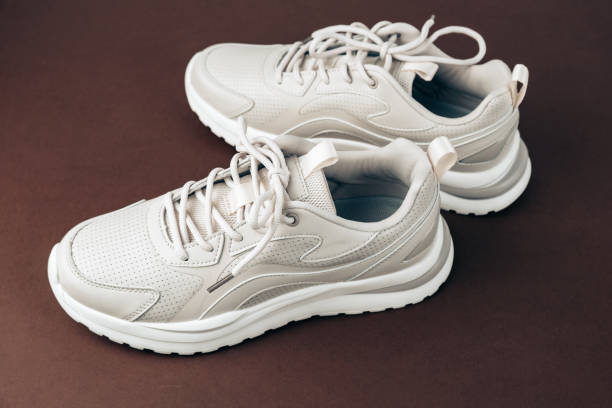
Spring pastels represent a visual and psychological reset. After months of darker, heavier colors and often bulky footwear designed for winter conditions, the arrival of pastel-hued sneakers signals a shift. Colors like mint green, lavender, baby blue, soft pink, and buttery yellow dominate releases from March through June. These shades evoke feelings of renewal, lightness, and optimism. They pair effortlessly with the seasonal wardrobe shift to lighter fabrics, shorts, linen, and denim jackets. A pair of Nike Dunk Lows in “Arctic Orange” or a New Balance 990v6 in a pale sage green doesn’t just accessorize an outfit; it completes the spring aesthetic. The appeal is clean, fresh, and often leans into a preppy or minimalist style. For brands, this palette allows for playful experimentation and collaborations that feel timely, often tying into broader cultural moods of new beginnings.
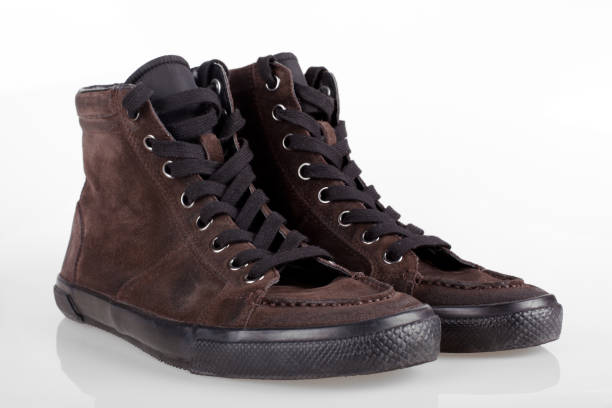
Conversely, fall earth tones provide a necessary and welcome sense of grounding as the year winds down. From September through November, the sneaker landscape transforms with hues of olive green, burnt orange, rusty brown, deep burgundy, and tan. These colors mirror the changing environment—the turning leaves, the harvested fields, the shorter, golden-hour days. They are inherently versatile and practical, hiding autumnal dirt and rain splatter better than a white or pastel sneaker ever could. This palette speaks to heritage, durability, and sophistication. It’s the domain of rugged trail runners like the Salomon XT-6, the timeless suede of an Asics Gel-Lyte III in “Terracotta,“ and the premium leathers of a Jordan 1 in “Dark Mocha.“ Stylistically, earth-toned sneakers integrate seamlessly with layered fall fashion: chunky knits, corduroy pants, denim, and outerwear like field jackets or wool coats. They add a finish that feels considered and robust.
For the savvy sneaker enthusiast, understanding this cycle is key to both collecting and personal style. It informs purchase decisions, allowing one to anticipate drops and build a rotation that feels seasonally appropriate. The most dedicated collectors will often have separate racks or sections for these palettes, pulling out their pastel Nikes as the weather warms and shelving them in favor of olive-toned New Balances as the leaves fall. This rhythm also creates natural hype. The first pastel drop of the year feels exciting because it’s been absent; the return of a deep pine green after a summer of pastels is met with similar anticipation.
Ultimately, the dance between spring pastels and fall earth tones is a foundational element of sneaker fashion. It’s a system that provides structure, drives desire, and ensures that personal sneaker style remains dynamic and connected to the world outside. At Sneakerholic, we track this evolution not as a passing fad, but as the core color theory of the culture. Whether you’re curating a collection for resale or simply choosing your next daily wear, recognizing and engaging with these seasonal shifts is a mark of a true enthusiast. It’s the difference between just owning sneakers and understanding the language they speak all year long.
Articles