The Timeless Appeal of Canvas Sneakers: Why They Endure
Canvas sneakers occupy a singular place in footwear history, embodying a rare blend of practicality, cultural resonance, and understated style. Their journey from utilitarian athletic gear to wardrobe staple reveals why these lightweight, breathable shoes remain indispensable for warm-weather wear. While modern sneaker technology offers advanced cushioning and performance fabrics, the humble canvas sneaker persists because it solves a fundamental problem: how to keep feet cool and comfortable when temperatures rise, without sacrificing aesthetics.
The secret to canvas sneakers’ warm-weather supremacy lies in their material composition. Canvas is a plain‑weave fabric, typically made from cotton, linen, or a blend, that permits air to circulate freely through the weave. Unlike synthetic mesh, which can trap heat against the skin, canvas absorbs moisture and allows it to evaporate, creating a natural cooling effect. This breathability is enhanced by the shoe’s construction: a low‑cut silhouette exposes the ankle, encouraging airflow, while a thin cotton or canvas lining prevents heat buildup. The result is a shoe that feels airy even on the most humid days, making it a go‑to for beach walks, city strolls, and outdoor festivals.
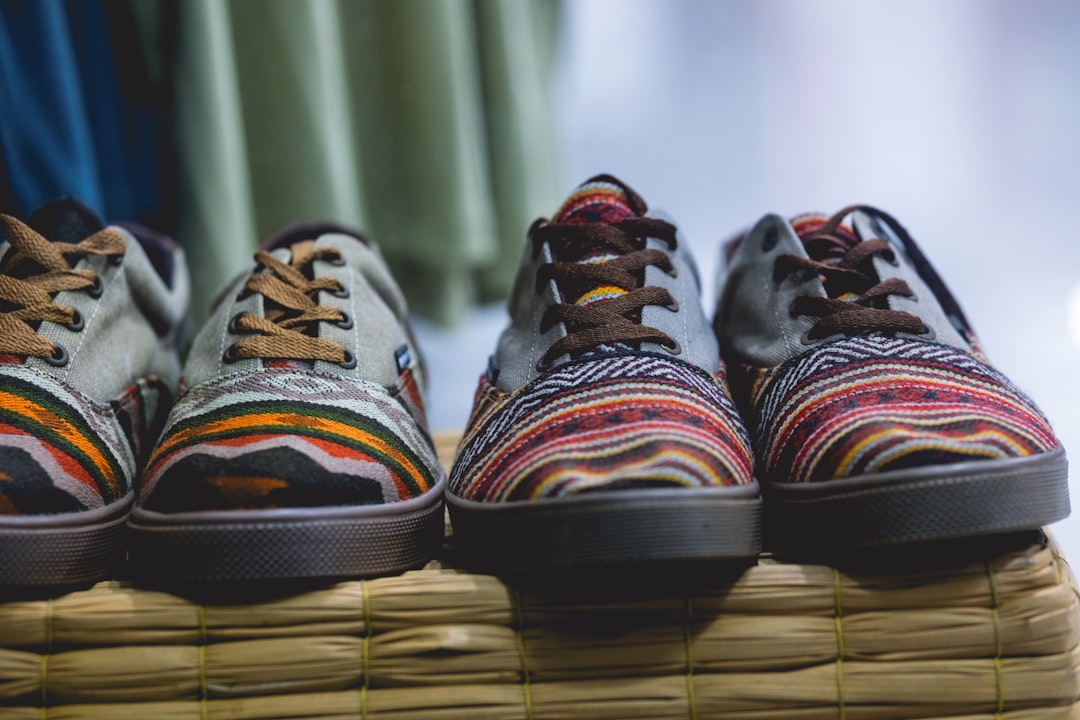
Beyond function, canvas sneakers carry a visual lightness that complements summer wardrobes. Their minimal profile pairs effortlessly with shorts, chinos, linen trousers, and sundresses, offering a crisp contrast to heavier leather or suede footwear. Designers have long capitalised on this, releasing canvas sneakers in an endless array of colours and patterns—from classic white and navy to vibrant prints and muted earth tones. This versatility ensures that a single pair can anchor multiple outfits, reducing the need for a footwear rotation while still allowing personal expression.
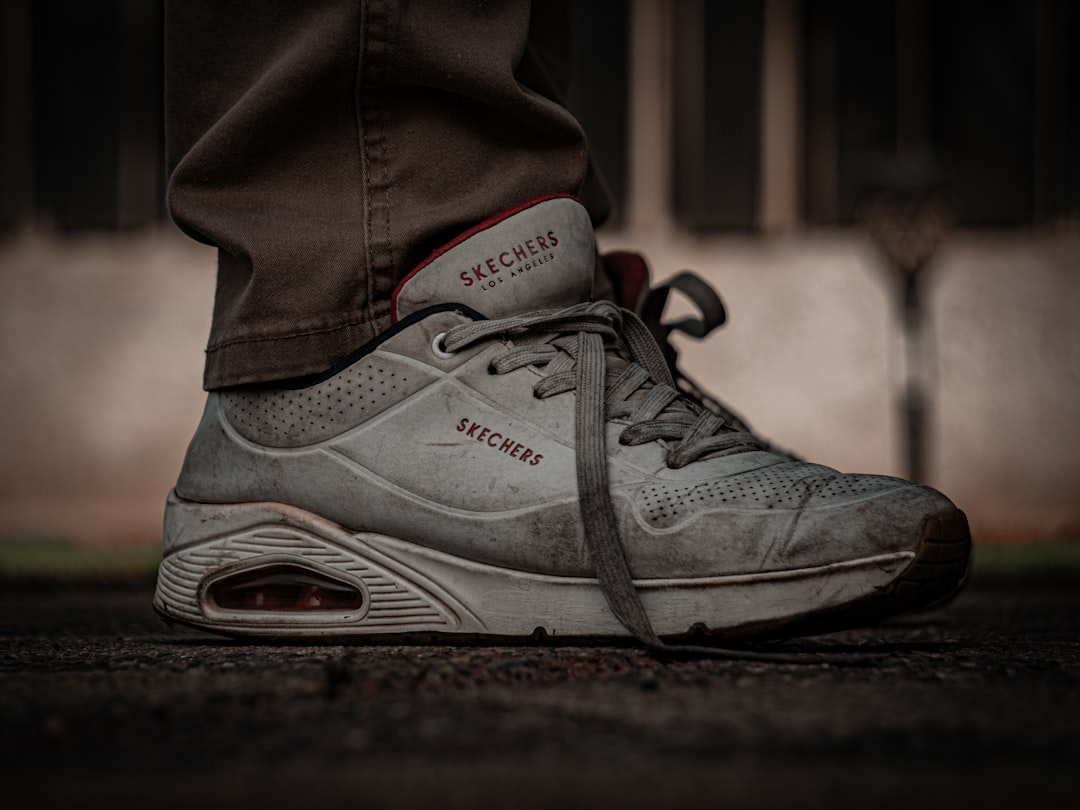
Durability, however, is where canvas sneakers can divide opinion. Critics note that canvas is less resilient than leather or rubber, prone to staining and fraying over time. Yet this perceived weakness is precisely what endears them to many enthusiasts. A canvas sneaker that shows signs of wear—a faded stripe, a scuffed toe, a slight yellowing of the sole—tells a story. It becomes a personal artifact, marked by the places it has been and the activities it has accompanied. This character is impossible to replicate in a pristine, sealed shoe. Moreover, modern canvas treatments have improved resistance to water and dirt, and simple cleaning methods like spot‑washing with mild soap can extend a pair’s life considerably.
The cultural history of canvas sneakers amplifies their appeal. The iconic Converse Chuck Taylor All Star, introduced in 1917 as a basketball shoe, transitioned into a symbol of rebellion and creativity during the mid‑20th century, adopted by rock musicians, artists, and subcultures. Similarly, the Keds Champion, launched in 1916, became a staple for women seeking comfortable, casual footwear. These shoes crossed gender, age, and social boundaries, proving that canvas could be both democratic and aspirational. Today, heritage models sit alongside contemporary reinterpretations by brands like Vans, Superga, and Tretorn, each adding its own twist while honouring the original blueprint.
For sneaker collectors, canvas models offer an accessible entry point into the hobby. Unlike limited‑edition leather releases that can sell for thousands, classic canvas sneakers remain affordable, allowing enthusiasts to build a diverse collection without financial strain. Many collectors appreciate the challenge of hunting down vintage pairs or rare collaborations that celebrate the canvas construction. The material also lends itself to customisation—paint, embroidery, dye, and patches transform plain canvas into one‑of‑a‑kind wearable art, a practice that has flourished on social media platforms where users share their DIY creations.
Critics may argue that canvas sneakers lack the support and cushioning required for all‑day wear. It is true that a traditional canvas shoe with a thin rubber sole does not provide the same shock absorption as a modern running shoe. Yet this minimalist construction actually benefits warm‑weather comfort: less material means less weight, less heat retention, and a closer connection to the ground that many find grounding and natural. Insoles can be replaced with orthotic inserts for added comfort, preserving the shoe’s breathable upper while improving ergonomics.
Environmental considerations also favour canvas sneakers. Cotton and linen are renewable resources, and canvas production typically uses fewer chemical processes than synthetic alternatives. Many brands now offer canvas sneakers made from organic or recycled materials, reducing their ecological footprint. When a canvas pair finally wears out, the components—fabric, rubber, and stitching—are more easily biodegradable or recyclable than those of foam‑heavy sneakers. This aligns with a growing consumer preference for sustainable fashion.
In an era dominated by chunky silhouettes and high‑tech cushioning, the canvas sneaker stands as a quiet testament to the power of simple design. It does not promise to elevate your vertical leap or shave seconds off your mile time. Instead, it delivers what warm‑weather footwear should: breathability, comfort, versatility, and a connection to a rich heritage. Whether you are lacing up a pristine pair for a summer wedding or pulling on a battered favourite for a morning coffee run, canvas sneakers remind us that sometimes the best solution is also the most classic one. Their endurance across decades and continents is not an accident—it is the result of a design so honest and functional that it feels inevitable.
Articles