Understanding the Yellowing of Sneakers: A Breakdown of the Culprits
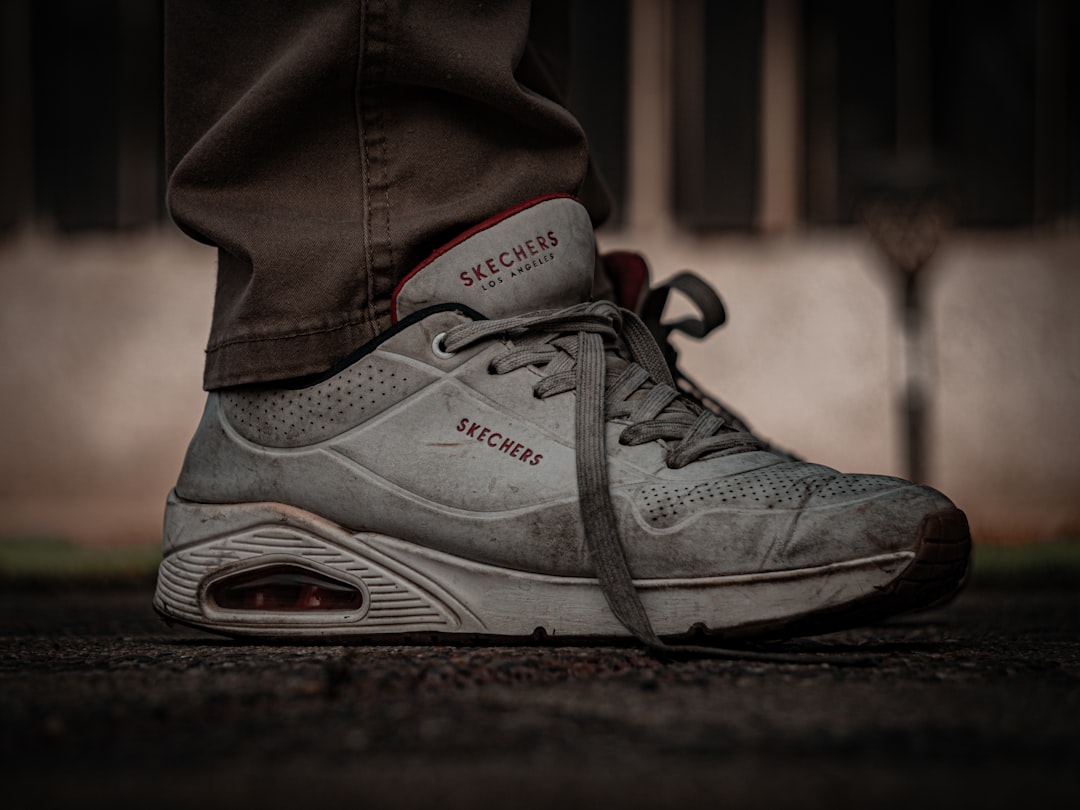
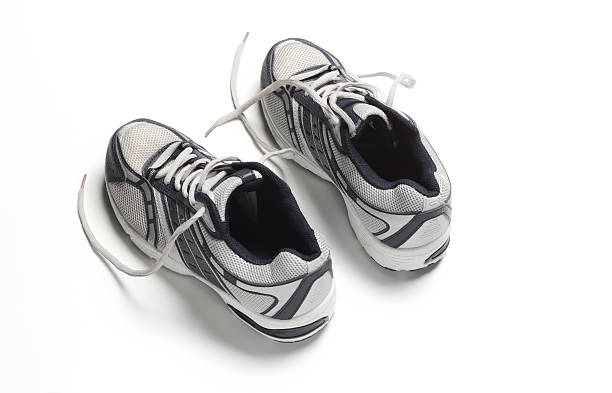
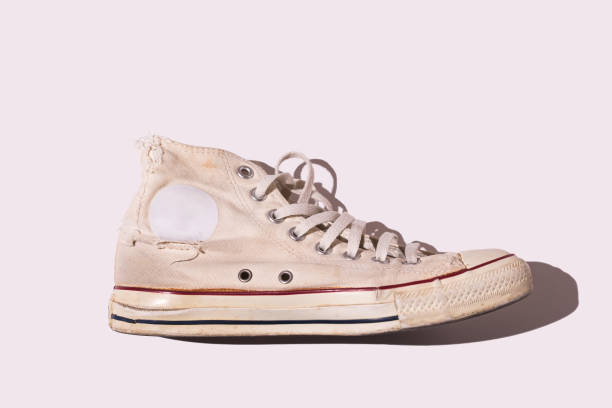
For sneaker enthusiasts and casual wearers alike, few sights are as disheartening as the gradual, irreversible yellowing of a once-pristine white midsole or upper. This phenomenon, often called “sneaker oxidation,“ is not a sign of poor quality but rather a complex chemical reaction. The main causes of sneaker yellowing are rooted in the materials used in construction and their interaction with environmental factors, primarily oxidation, exposure to ultraviolet light, and the breakdown of specific chemical components.
At the heart of the issue lies the process of oxidation, which is the single most significant cause of yellowing. Many sneaker midsoles, particularly those made from polyurethane foam or containing certain plasticizers and fire retardants, are inherently unstable over time. These materials are often infused with a chemical agent called Bromobutyl rubber or other compounds to enhance flexibility and durability. When these substances are exposed to oxygen in the air over extended periods, a chemical reaction occurs. This reaction alters the molecular structure of the material, causing it to reflect light differently and appear yellow. This is why even unworn, deadstock sneakers stored in their boxes for years will inevitably yellow; the air inside the box is sufficient to fuel this slow, persistent process.
Complementing oxidation is the damaging effect of ultraviolet (UV) radiation from sunlight. UV rays are a powerful catalyst that accelerates the oxidation process. They provide the energy needed to break down the chemical bonds in the sneaker’s polymers and the adhesives used in its assembly. This photodegradation not only speeds up yellowing but can also lead to material brittleness and cracking. The combination of oxygen and UV light is particularly potent, which is why sneakers stored near a window or frequently worn in bright sunlight often yellow much faster than those kept in dark, controlled environments. The UV light essentially supercharges the natural oxidation that is already occurring.
Furthermore, the very chemicals intended to preserve the sneaker can contribute to its demise. Many manufacturers apply a whitening agent or an optical brightener to the rubber and fabric components to achieve that coveted “bright white” look straight from the factory. These brighteners work by absorbing UV light and re-emitting it as a visible blue glow, which makes the white appear brighter. However, these compounds are not permanent. As they break down from continued UV exposure, they lose their effectiveness, allowing the underlying yellowed material to show through. In essence, the fading of these brighteners unmasks the yellowing that was already progressing due to oxidation.
Environmental contaminants also play a notable supporting role. Moisture, whether from humidity, rain, or cleaning products, can seep into the microscopic pores of the materials. This moisture can trap pollutants, such as dirt, oils from skin, or even chemicals from household cleaning agents, within the sneaker’s structure. Over time, these embedded contaminants can undergo their own reactions, leading to localized staining and yellowing that is often uneven and difficult to reverse. Improper cleaning with harsh chemicals like bleach can be especially damaging, as they can break down surface layers and make the material more porous and susceptible to further yellowing.
In conclusion, sneaker yellowing is an inevitable march of chemistry and time, primarily driven by the oxidation of unstable polymers accelerated by ultraviolet light. The degradation of optical brighteners and the infiltration of environmental contaminants further compound the issue. While storage in a cool, dark, and dry environment can significantly slow the process, understanding these causes reminds us that yellowing is not a flaw, but rather a natural patina of age, telling the story of a sneaker’s journey through the elements and the passage of time.
Articles