When Sneaker Damage Demands a Professional Restorer
Every sneaker has a breaking point. A scuff can be buffed, laces replaced, insoles swapped. But when damage moves from surface to structure, the decision changes. Sending out for repairs is not an admission of defeat; it is protection of value, comfort, and history. The tricky part is recognizing the threshold. Some repairs are best left to pros because materials are fragile, adhesives are specialized, and mistakes can be irreversible.
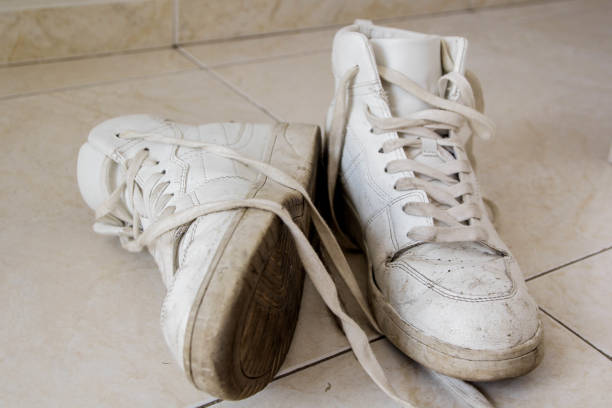
Sole separation is the classic warning sign. If a toe bumper or heel begins to peel, many people reach for super glue. That often fails because cyanoacrylate dries brittle and cannot flex with rubber and foam. A professional restorer cleans old adhesive, uses heat and pressure, and chooses cement designed for rubber, EVA, polyurethane, or TPU. On vintage pairs, the midsole can crumble before the sole detaches. If foam is chalky, cracking, or leaving dust, DIY glue will not rebuild missing structure. A restorer may need a donor midsole, custom foam, or a full sole swap. That work requires donor matching, stitching, and alignment. If you see crumbling, stop wearing the pair; every step spreads damage. Send it out.
Water damage and mold also require professional attention. Wet sneakers can dry with stains, warped leather, separated glue, and mildew. DIY cleaning may spread spores. Pros use controlled drying, antimicrobial treatments, and color-safe cleaning. If mold is visible in the lining or foam, ozone or specialized treatments may be needed. Because mold can return, hidden moisture must be addressed. Suede and nubuck are especially vulnerable; the wrong cleaner mats the nap, alters color, and leaves rings. A professional can restore texture and color with dyes and conditioners.
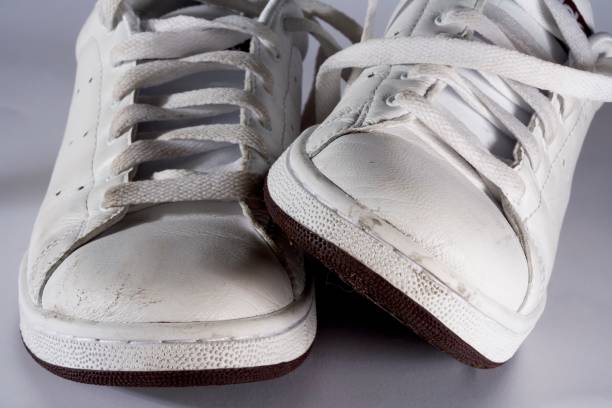
Leather cracking, tears, and deep creases are another category. Conditioner can help light dryness. But if leather is cracked through the finish or torn at a flex point, fillers and recoloring are needed. Quality restoration involves cleaning, flexible filler, airbrush color matching, and sealant. On rare pairs, mismatched color is disastrous. Patent leather scuffs, peeling, and yellowing need a different process. Patent cannot be sanded like normal leather. Paint can crack. A restorer knows adhesion promoters and flexible finishes. If the pair is limited, collaborative, or sentimental, the cost is often worth preserving.
Vintage sneakers and high-value collectibles raise the stakes. Age makes materials unstable: old glue, brittle foam, faded dyes, dry leather, rusted eyelets. DIY repair can reduce resale value if not done with archival materials. Professional restoration may include sole swapping, repainting, midsole reconstruction, tongue repair, and embroidery. If you plan to sell, disclose restoration and use documented professional work; it can increase confidence. If you plan to wear, structural restoration can make a display piece wearable again, though not indestructible. For grails, consult a restorer before cleaning. Some patina is part of the value; over-restoration can hurt. Ask for a conservative approach.
Interior breakdown is another threshold. Crushed insoles, torn lining, exposed foam, broken shanks, and persistent odor can signal deeper problems. Surface sprays may mask odor, but if bacteria and moisture live in the foam, the smell returns. A restorer can remove lining, replace foam, rebuild insoles, and treat the shoe at the source. Heel counters that have collapsed cannot be fixed with inserts alone; they need reshaping or replacement. If a shoe feels unstable, rolls inward, or causes blisters after short wear, the interior structure is failing. That is not a cleaning issue. It is a repair issue.
When time, tools, and skill are missing, the equation shifts further. A proper setup includes an airbrush, compressor, heat gun, shoe lasts, industrial sewing machine, donor soles, dyes, adhesives, and ventilation. Without these, DIY becomes an expensive experiment. Even simple deep cleaning can go wrong if you soak leather, use bleach, scrub suede, or dry in direct sun. If you lack confidence or patience, send the pair out.
Signs to send out now include structural instability, crumbling foam, mold, water damage, tears, cracks, returning sole separation, color matching on rare pairs, stitching failure, heel drag into the midsole, and damaged carbon fiber or air units. Also consider professional help if the item is insured, valuable, gifted, inherited, or limited. Get quotes with photos, ask about materials and warranty, and ask whether they use donor parts. Good restorers document before and after, explain limits, and may decline if a repair risks further damage. That honesty is valuable.
Not every sneaker needs professional restoration. Daily beaters with minor scuffs can be maintained at home. But when repair becomes reconstruction, professional help protects the shoe and your peace of mind. A sneaker is more than rubber and leather; it carries miles, memories, and identity. Knowing when to send out is part of care. The best restoration is often invisible, leaving only the feeling that the pair is whole again.
Articles